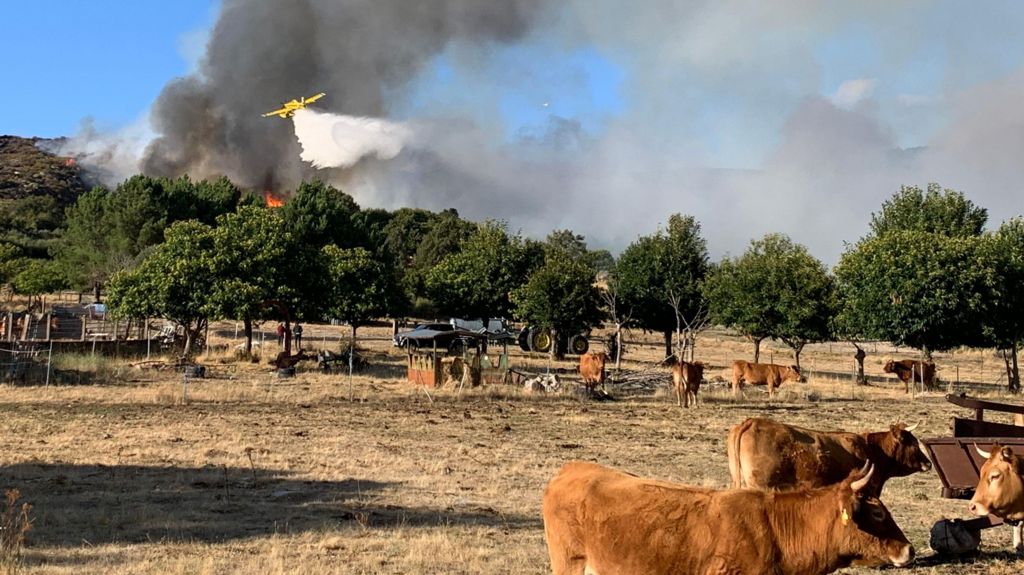
This summer, Spain faced one of its most catastrophic wildfire seasons, with vast blazes scorching 0.8% of the country’s surface area. The north-western regions of Castilla y León, Galicia, and Extremadura bore the brunt of the devastation, with over 20,000 hectares of land consumed by flames. Thousands of residents were evacuated, and the agricultural and tourism sectors suffered immense losses. José Antonio Bruña, a honey producer from Porto de Sanabria, recounted the nightmare of witnessing a wildfire ignited by lightning just meters from his beehives. Although his 1,500 hives survived, the surrounding flora was destroyed, leading to a projected 50% drop in honey production for the next few years. The fires also forced livestock farmers to relocate animals and caused significant economic strain, with insurance premiums expected to skyrocket. The tourism industry, a cornerstone of Spain’s economy, was not spared. Rural tourism hotspots, such as Sanabria Lake, were shut down, leading to massive financial losses for local businesses. Óscar David García López, who operates lakeside bars, lost €80,000 during the closure. The wildfires have exacerbated the divide between urban and rural Spain, highlighting the challenges faced by the sparse population in ’empty Spain.’ The fires have left a lasting impact on the country’s rural economy, infrastructure, and tourism, with recovery efforts still underway.