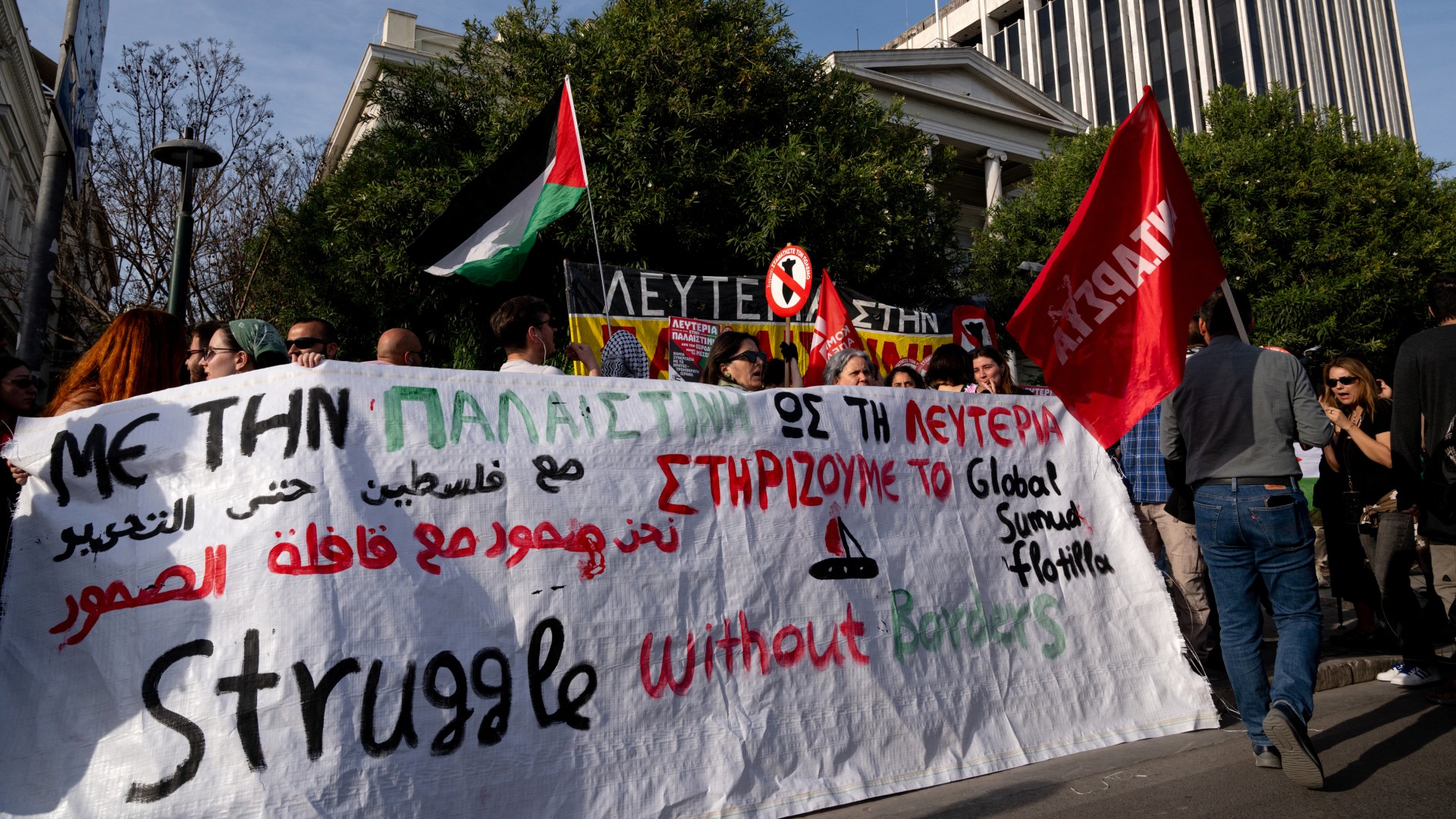
Tensions between the United States and its European allies have escalated sharply in recent days, after Washington publicly blamed its partners for failing to block a Gaza-bound humanitarian aid flotilla that Israeli naval forces intercepted and seized in international waters earlier this week.
On Wednesday, Israeli commandos seized at least 21 vessels participating in the aid mission, detaining 175 activists on board. Organizers with the Global Sumud Flotilla, the coalition behind the effort, have labeled the interception an outright act of piracy carried out in neutral international waters.
One day after the raid, State Department spokesperson Tommy Pigott released a formal statement dismissing the flotilla as a “baseless, counterproductive stunt”. Pigott argued that the mission bypassed existing official channels designed to deliver humanitarian support to Palestinian civilians in Gaza, and said the Biden administration expects allied nations to take “decisive action” against vessels involved in the effort. That action, he specified, includes blocking access to ports, denying docking privileges, prohibiting departures from allied territories, and refusing refueling services to participating ships.
“The United States will explore using available tools to impose consequences on those who provide support to this pro-Hamas flotilla and supports our allies’ legal actions against [it],” Pigott added.
The U.S. rebuke comes as growing rifts have emerged between Washington and its European partners over U.S. and Israeli policy in the Middle East, particularly amid escalating tensions with Iran. According to a recently leaked internal Pentagon email, the U.S. government threatened last week to punish NATO member states that refuse to back the U.S.-led campaign against Iran, and even considered expelling Spain from the alliance over Madrid’s public opposition to the conflict. The same email also revealed U.S. officials have floated recognizing Argentina’s territorial claims over the Falkland Islands, a move that would directly target the United Kingdom for what Washington claims is insufficient support for its Iran policy.
The U.S.-led “Board of Peace”, a body created by the Trump administration to oversee a new governing framework for Gaza, also issued a public statement on the social platform X condemning the aid flotilla. The organization dismissed the effort as “performative love-boat activism”, and called on critics of Israeli policy to instead redirect pressure toward Hamas. In the same statement, the Board claimed it has drastically expanded humanitarian support for Gaza’s civilian population, asserting that three times as many Gaza residents are now receiving food aid compared to previous periods.
These claims, however, stand in stark contrast to on-the-ground data and reporting from the region. Back in April, the Gaza Government Media Office reported that an average of just 227 aid trucks enter the blockaded strip each day, which amounts to only 37 percent of the daily delivery volume agreed to under the October 2024 ceasefire deal. Despite a U.S.-mediated truce agreement, Israel has continued to tighten entry restrictions on humanitarian aid, leading to a steady decline in food deliveries to Gaza’s 2 million residents. Independent reporting from Middle East Eye has documented widespread fears of imminent famine across the strip, as Palestinians grapple with acute shortages of basic food ingredients, cooking gas, and fuel needed to power homes and medical facilities.
In response to the Israeli raid and the U.S. criticism of allied inaction, officials from Germany and Italy issued a joint statement expressing “deep concern” over the interception and calling for “full respect of international law” in the incident. The Italian government additionally demanded that Israel immediately release the Italian nationals who were unlawfully detained during the seizure of the flotilla.