Global football governing body FIFA announced Thursday it will conduct a full review of its ticketing framework for the 2030 World Cup, responding to intense public backlash over the exorbitant ticket costs for the upcoming 2026 tournament co-hosted by Canada, Mexico, and the United States.
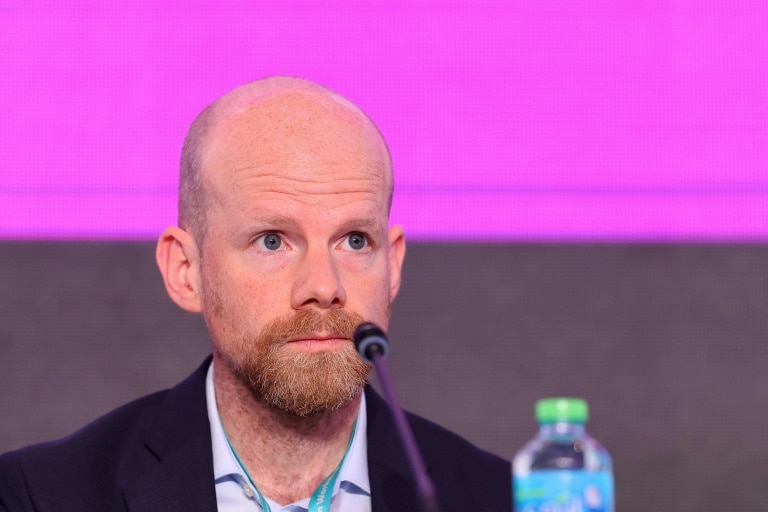
Speaking to journalists on the sidelines of the FIFA Congress wrapped up in Vancouver, FIFA Deputy Secretary General Mattias Grafstrom framed the steep 2026 ticket prices as a reflection of North America’s unique market dynamics. “I will always have understanding for fans and their opinions, but I think there are quite a wide array of ticket prices — some are cheap, some are more expensive,” Grafstrom told reporters. “But of course, you know, we listen, we take into the account the comments, and of course, as for every World Cup, we will review and see how we do it for the next one.”
The organization has faced relentless criticism from fan groups since 2026 ticket sales launched. Football Supporters Europe (FSE), a prominent pan-European fan advocacy organization, has labeled the current pricing structure “extortionate” and a “monumental betrayal” of the global football community. Last month, the group escalated its pushback by filing a formal complaint with the European Commission over what it calls FIFA’s “excessive ticket prices” for the 2026 tournament.
FIFA leadership has pushed back against the criticism, arguing that soaring prices are driven largely by overwhelming market demand. FIFA President Gianni Infantino has pointed to dynamic pricing models common in the North American events industry as a core factor behind the fluctuating costs, noting that prices adjust up or down based on demand for individual matches.
Recent data from resale platforms has underscored just how extreme the pricing has become: this week, four tickets to the 2026 World Cup final at New Jersey’s MetLife Stadium, scheduled for July 19, were listed on FIFA’s official resale exchange for a staggering $2 million per seat, according to multiple reports. Third-party resale platforms routinely list final tickets for tens of thousands of dollars, putting the sport’s biggest match out of reach for most ordinary fans.
When asked whether fan anger over ticket pricing could damage the long-term legacy of the 2026 World Cup, Grafstrom defended the tournament’s financial model, noting that projected total revenues of up to $13 billion will be reinvested into global football development through FIFA’s Forward program. “I think, you know, the legacy is also what we’ll be able to do with the money that it generates,” he said. “This is a true legacy through the (FIFA) Forward program and in order to really develop the game of football in our member associations, and this will have a true impact.”