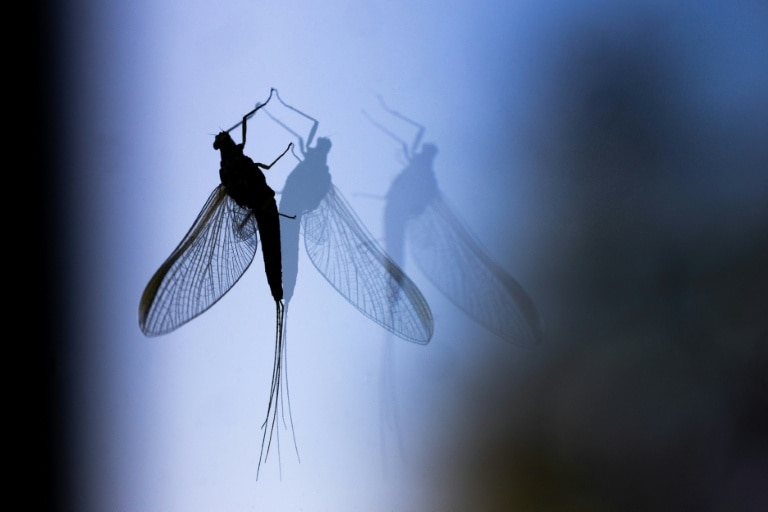
For generations of summer road-trippers, returning home with a windscreen and license plate plastered with squashed flying insects was an unavoidable, messy ritual. But in recent decades, drivers across the globe have noticed a quiet, dramatic shift: far fewer bug splats mark their journeys, a change that has sparked growing alarm among ecologists studying widespread insect population decline.
While casual drivers may welcome the less frequent need to scrape sticky bug remains off their glass, ecologists warn that this so-called “windshield phenomenon” signals a devastating collapse of insect populations that underpin nearly every terrestrial ecosystem. Insects act as critical pollinators for 75% of global food crops, maintain balanced food webs as a core food source for birds, bats and small mammals, and break down organic waste to regenerate healthy soil. Even a steep decline in their numbers risks cascading damage to natural systems and global food security.
Until now, most observations of falling insect splatter counts have stayed anecdotal. To turn these everyday driver observations into rigorous, large-scale scientific data, a coalition of French research and conservation organizations has launched a new citizen science project that turns ordinary motorists into volunteer researchers.
Modeled after similar successful projects in the United Kingdom, the initiative centers on a free mobile app called *Bugs Matter*, launched jointly by France’s National Museum of Natural History (MNHN), environmental nonprofits OPIE and Noe, and the French Biodiversity Office. The data collection protocol is intentionally simple to lower barriers to participation: before starting a trip, drivers wipe their front license plate completely clean, log their starting geolocation via the app, complete their journey as planned, then open the app again to count the number of bug squashes on the plate and submit the final data.
AFP joined project participant Marjorie for a test run of the protocol ahead of her planned long-distance summer road trip near Enghien-les-Bains, just north of Paris. Now 53, Marjorie recalled the mandatory ritual of cleaning bug-smeared windscreens during family road trips in her childhood — a step she rarely has to take today. After completing a 22-kilometer (14-mile) test drive, Marjorie counted zero bug splats on her license plate, a result that aligns with the trend the project expects to document.
This new French study builds on a growing body of research confirming steep insect population declines across Europe and beyond. A 20-year Danish study that concluded in 2017 found shocking reductions of 80% to 97% in insect splat counts on two major test road routes. An ongoing UK study, which also uses the *Bugs Matter* app, has recorded a nearly 63% drop in bug splat numbers between 2021 and 2024. A landmark 2017 German study, meanwhile, found a more than 75% decline in the total biomass of flying insects in protected nature reserves over three decades.
Grégoire Lois, a researcher with MNHN working on the project, compared the scale of the decline to a grocery store running out of 75% of its stock: “It’s pretty incredible. Imagine going into the supermarket and finding only two out of every 10 products are in stock.”
Scientists broadly agree that human activity is the primary driver of this collapse, with overlapping pressures including widespread habitat destruction, intensive agricultural pesticide use, light and chemical pollution, and climate change. The French project aims to answer still-open questions about the decline: how does the loss vary across different landscapes, from dense urban areas to intensive agricultural zones to intact forests? What specific local factors have the biggest impact on insect populations down to the species level? Down the line, researchers plan to expand the project to collect DNA from sampled bug splats to identify which specific species are experiencing the steepest losses, data that is critical for targeted conservation action.
Researchers chose standard front license plates as the standardized measurement point for a simple, practical reason: “It’s the only shared, standardised thing on every car, in both size and position: facing the road, perpendicular to the ground and travelling forward,” Lois explained. The simple protocol means the project can collect data from thousands of trips across the country, far more than a small team of professional researchers could ever gather on their own, turning everyday road trips into a powerful tool for insect conservation.