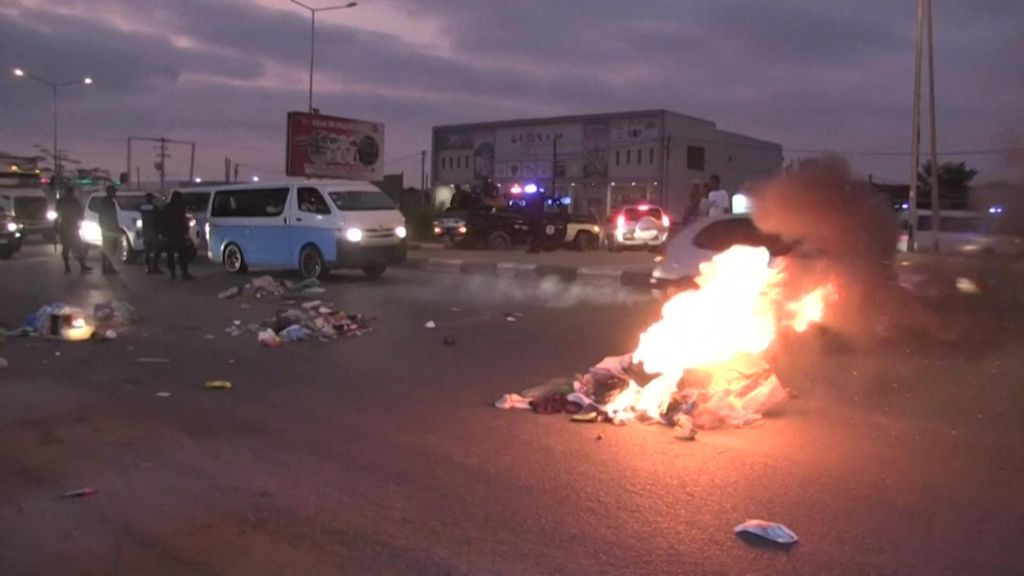
In July, Angola witnessed one of its most significant waves of protests since the end of its civil war in 2002. What began as a demonstration by taxi drivers against rising fuel prices quickly escalated into widespread unrest, leaving at least 30 dead and thousands arrested. The protests, which paralyzed parts of Luanda and spread to other provinces, highlighted deep-seated issues of poverty, inequality, and youth unemployment in the oil-rich nation. Despite Angola’s gleaming skyscrapers, millions struggle to make ends meet in the informal sector, with youth unemployment reaching a staggering 54%. The unrest exposed the government’s failure to address systemic issues, even as President João Lourenço promised reforms. Critics argue that his administration has fallen short in tackling corruption, diversifying the economy, and creating jobs. The protests, though violent, were seen by many as a necessary outcry against a system that has long ignored the plight of the marginalized. As Angola approaches its 50th independence anniversary, the demonstrations serve as a stark reminder of the urgent need for meaningful change.