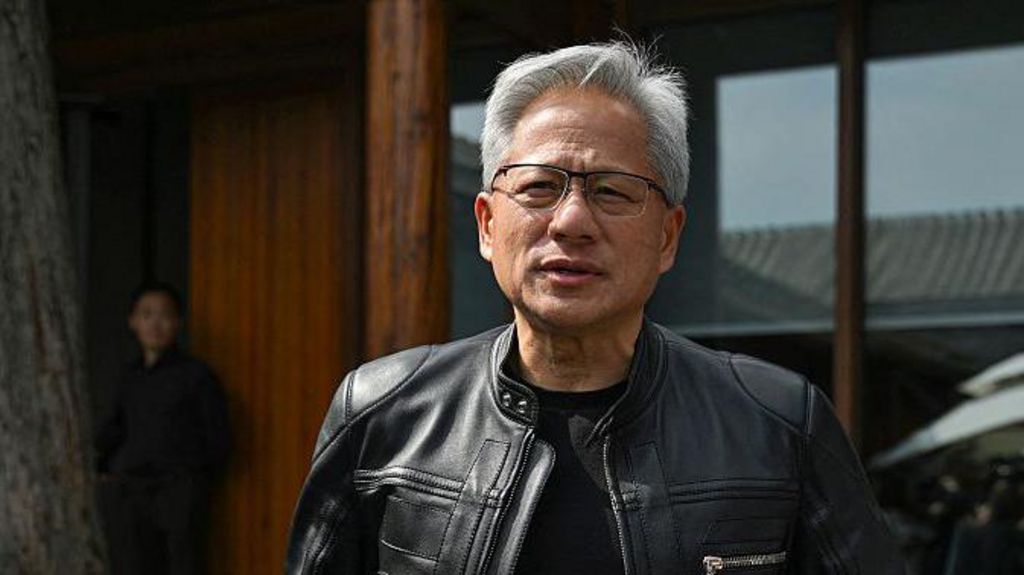
Jensen Huang, CEO of Nvidia, has voiced his disappointment following reports that China has instructed its leading technology firms to cease purchasing Nvidia’s artificial intelligence (AI) chips. Speaking to BBC News, Huang emphasized the importance of global access to advanced technology, stating, ‘The advance of human society is not a zero-sum game.’ Huang, who is among the tech executives accompanying US President Donald Trump on his state visit to the UK, acknowledged the competitive ambitions of both nations, noting, ‘President Trump wants America to win, and President Xi wants China to win, and it’s possible for both of them to.’ He expressed confidence that ongoing discussions would resolve the issue. This development comes after Nvidia, the world’s leading chipmaker, faced a temporary ban on selling its most advanced chips to China, which was later reversed by Trump in July. However, Nvidia must now allocate 15% of its Chinese revenues to the US government under a unique agreement. The Financial Times recently reported that China’s Cyberspace Administration has directed tech companies to halt the use of Nvidia chips specifically designed for the Chinese market, causing Nvidia’s shares to drop by over 1% in premarket trading. Huang reiterated his support for the US in addressing geopolitical challenges and pledged to convey the same message to Trump if questioned during the state banquet in the UK. The US and China have been engaged in trade talks in Europe this week, with China’s market regulator accusing Nvidia of violating anti-monopoly laws. As Nvidia continues to play a pivotal role in the global AI boom, China is striving to challenge US dominance in the AI sector by developing its own chips. Major Chinese tech firms like DeepSeek, Tencent, and Alibaba, which had previously ordered Nvidia chips, are now affected by the purchase halt. Meanwhile, Nvidia has announced significant investments in the UK, including supplying chips to the Stargate UK data center in collaboration with OpenAI, Arm, and NScale.