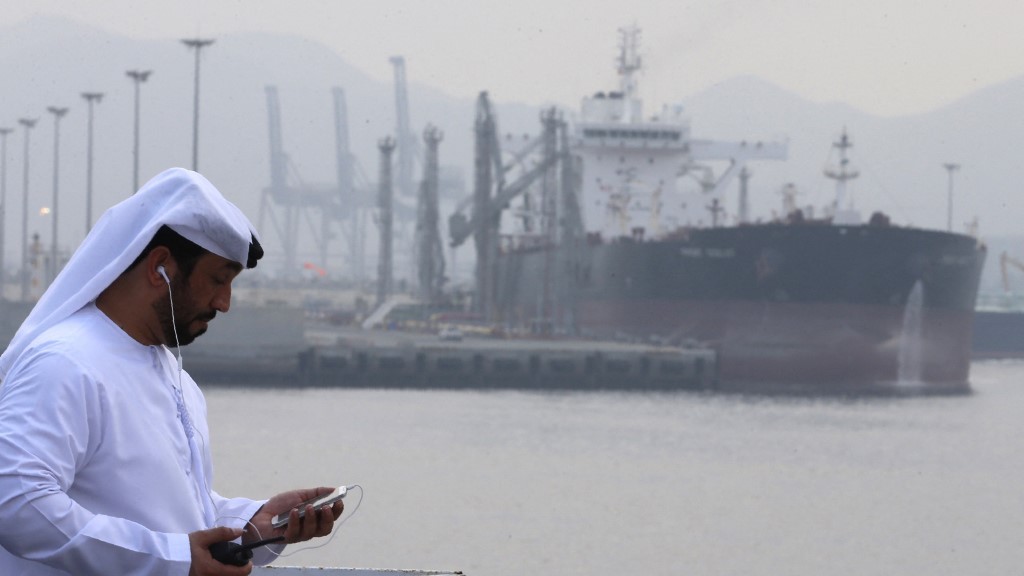
In a seismic shift that reshapes the landscape of global energy geopolitics, the United Arab Emirates (UAE) has formally confirmed its complete withdrawal from the Organization of the Petroleum Exporting Countries (OPEC) and the broader OPEC+ coalition of oil-producing nations. The country’s Ministry of Energy framed the decision as the outcome of a full, strategic review of its national production framework, in a public statement released to global markets.
The statement acknowledged that short-term market instability, driven by ongoing supply disruptions across the Arabian Gulf and the critical Strait of Hormuz, has already upended global energy supply dynamics. Even so, it noted that long-term structural projections point to consistent, sustained growth in global energy demand through the medium and longer terms, a core consideration that guided the policy shift.
Emphasizing the legacy of its decades-long participation in the cartel, the ministry noted that the UAE’s membership dates back to 1967, when the Emirate of Abu Dhabi first joined the organization. Following the formal unification of the United Arab Emirates as a sovereign state in 1971, the country retained its OPEC membership, and over the decades, it has positioned itself as an active stakeholder working to stabilize global oil markets and foster productive dialogue between major producing nations across the world.
The announcement comes against a backdrop of escalating regional crisis triggered by the ongoing US-Israeli military campaign against Iran that began in late February. The conflict has inflicted widespread economic and security damage across multiple Gulf Cooperation Council (GCC) states, with the UAE bearing a disproportionate share of the impact. As the Gulf nation with the closest formal and economic ties to Israel, the UAE has become a primary target for retaliatory Iranian strikes, which have consisted of thousands of ballistic missiles and drone attacks. These assaults have severely damaged Dubai’s reputation as a safe luxury tourism destination, while also cutting the country’s oil export volumes to a fraction of their pre-conflict levels.
Within the Gulf bloc, the UAE has emerged as one of the most hawkish voices on the conflict, rejecting calls from some neighboring states for diplomatic de-escalation with Iran and openly calling for the US-led military campaign to continue. Regional analysts widely attribute this hardline stance to two core factors: the UAE’s overwhelming dependence on the Strait of Hormuz, the chokepoint through which roughly a fifth of global oil supplies transit daily for export, and the deep reluctance among the country’s ruling elite to allow Iran to consolidate its position as the dominant regional power in the Gulf.
Tensions between the UAE and its fellow GCC members boiled over earlier this week, when senior UAE officials publicly criticized the bloc’s collective response to the Iran conflict. Speaking at a Dubai policy conference, UAE presidential advisor Anwar Gargash slammed the six-member GCC, half of whose members also hold OPEC membership, for failing to mount a unified, forceful response after Iran launched retaliatory attacks against GCC states.
“The GCC’s stance was the weakest in its history, when you consider the scale of the attack and the threat it posed to every single member of the bloc,” Gargash told attendees. He added that while he had anticipated a muted, weak response from the 22-member Arab League, the Cairo-based pan-Arab organization, he never expected the same level of inaction from the Gulf Cooperation Council. “I don’t expect it from the GCC, and I am surprised by it,” he said.
When pressed by Reuters reporters on whether the UAE had consulted with Saudi Arabia, OPEC’s de facto leader and the UAE’s closest regional neighbor, ahead of announcing its withdrawal, UAE Energy Minister confirmed that the country did not hold direct consultations with any other government or OPEC member ahead of the decision. As global energy markets and regional powers digest the unexpected policy shift, further updates on the implications for oil prices and regional alliances are expected in the coming days.