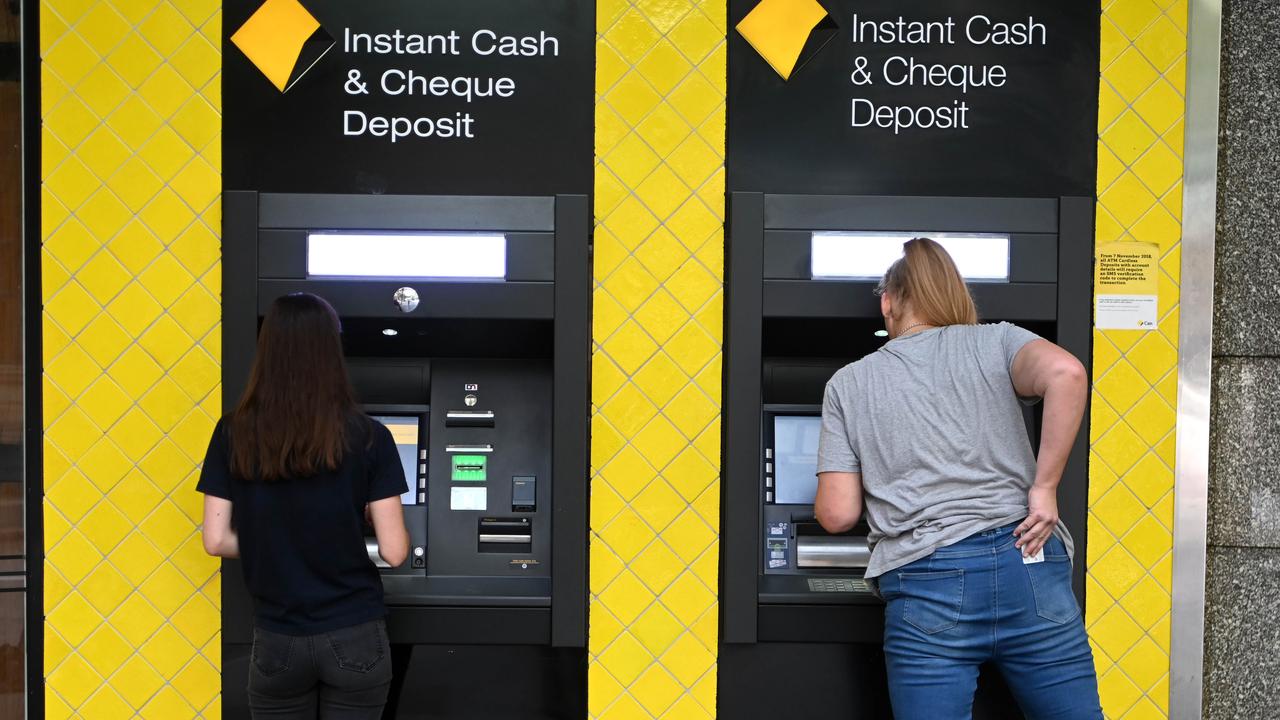
On April 28, millions of Australian residents are expected to converge on ATMs and bank branches across every state and territory to withdraw cash, joining a coordinated grassroots movement pushing back against shrinking access to physical currency and pushing both the federal government and financial institutions to protect cash as a permanent payment option.
Organized by the advocacy group Cash Welcome, the annual event dubbed National Cash Out Day aims to send a clear message to banks: Australian consumers demand the right to choose how they access and spend their own money in local communities. Jason Bryce, founder of Cash Welcome and a veteran financial journalist, explained that the first iteration of the campaign several years ago already delivered tangible policy results, forcing the government to commit to a formal cash access mandate. This year’s action builds on that early win, as declining ATM availability and the rise of contactless digital payments have steadily reduced public access to physical cash across the country.
On a typical Australian business day, roughly 900,000 to one million people complete ATM withdrawals. Organizers are calling on participants to double that number to 1.8 million on April 28, with participation requiring nothing more than withdrawing as little as $20 from an ATM, bank branch, or EFTPOS-enabled retailer. Bryce emphasized that the campaign is not opposed to the convenience of contactless tap-and-go payments, which have become a staple of Australian commerce. Instead, it centers on protecting consumer choice: no single payment method should be forced out of common use, and all Australians deserve the option to transact with cash when they prefer.
New data from the Reserve Bank of Australia (RBA) underscores just how vital this choice remains for millions of people. Contrary to widespread assumptions that cash use is in terminal decline, the RBA’s latest study shows physical currency usage is actually growing across the country. In 2025, 15% of all Australian transactions were completed with cash, a 2 percentage point increase from 2023. For in-person transactions alone, that share rises to nearly 20%, with half of all Australians reporting they use cash at least once per week.
The data also confirms that cash access is a critical equity issue. Older Australians rely on cash far more heavily than younger generations, and lower-income households are more likely to prefer physical payments over digital alternatives. The RBA’s analysis warns that further cuts to cash access would cause severe harm for a large share of the population: approximately one-third of all Australians would face major hardship or significant daily inconvenience if cash becomes difficult to access or widely rejected by retailers. Many residents report carrying cash specifically to cover unexpected expenses or to have a backup when digital payment systems fail, and those who depend on cash regularly say they would face insurmountable difficulties if the payment option were significantly restricted.
As the campaign gains momentum across the country, participants frame Cash Out Day as a simple, accessible way for ordinary consumers to stand up for their rights and ensure cash remains a viable, widely available option for all Australians.