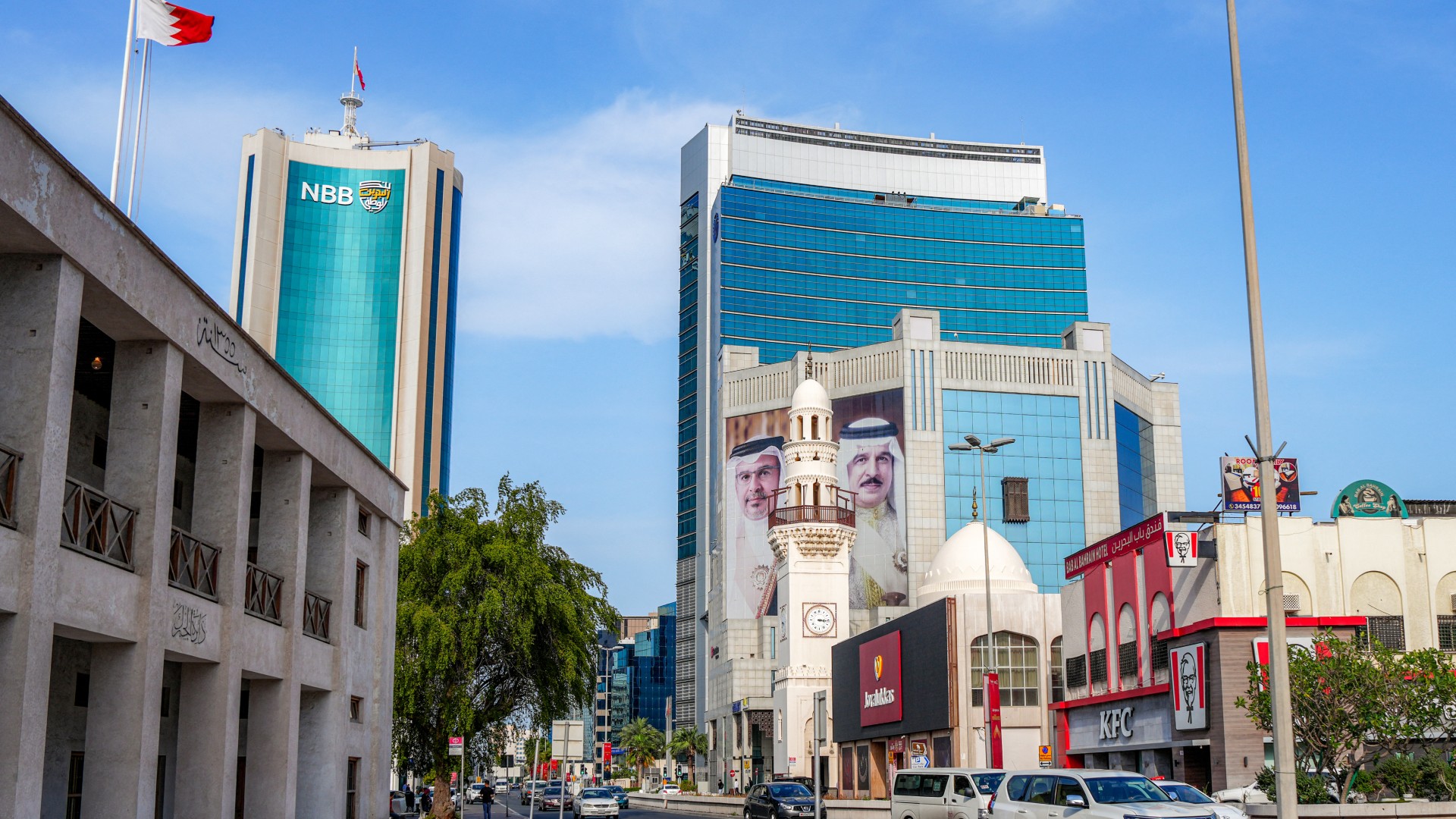
In a sweeping move that has drawn sharp condemnation from global human rights advocates, Bahrain’s King Hamad bin Isa Al Khalifa has issued a royal directive stripping 69 people of their Bahraini citizenship over accusations of sympathizing with Iran and collaborating with hostile foreign entities. The decision, legalized under a provision of Bahraini nationality law that permits citizenship revocation for individuals found to harm the kingdom’s interests or violate their duty of loyalty to the state, includes not only the accused individuals but also their dependent family members.
According to the official text of the directive, all 69 people affected are categorized as “of non-Bahraini origin.” Campaigners speaking to Middle East Eye confirm that the majority of those targeted belong to the Ajami community, long-standing ethnic populations across Gulf Arab states whose ancestry traces back to southern Iran. This mass revocation marks the first large-scale action of its kind in Bahrain in more than seven years, per records from the Bahrain Institute for Rights and Democracy (BIRD), a London-based human rights organization.
Citizenship revocation is far from a new tactic in Bahrain, BIRD’s data shows. Between 2012 and 2019, the Bahraini government stripped citizenship from at least 990 citizens, leaving most legally stateless under international human rights standards. Many of those previously disenfranchised were prominent human rights defenders, independent journalists, and respected religious scholars. In a 2019 gesture, King Hamad reinstated citizenship to 551 of those affected, but hundreds remain without formal nationality to this day.
Bahraini-Danish human rights activist Maryam al-Khawaja, a prominent critic of the Al Khalifa ruling family, called the latest decision a blatant act of political oppression. “This is a tool the Al Khalifa ruling family has used for decades to target dissidents, as well as the wider Shia population in the country,” al-Khawaja told Middle East Eye. She emphasized that the entire process proceeded without any form of due process, leaving dozens of people and their families stateless while residing within Bahrain’s borders. Without citizenship, those affected are barred from accessing core public services, including government-funded primary education, public healthcare, and formal state housing support.
Sayed Ahmed Alwadaei, a senior representative of BIRD, added that many of the people named in the royal directive have never been arrested or interrogated over the alleged offenses. There is also no formal legal pathway for those affected to challenge or appeal the ruling, a flaw that Alwadaei says leaves targeted populations extremely vulnerable to abuse and often forces the separation of family members.
The mass revocation comes in the wake of two key regional and domestic developments. First, it was announced just days after King Hamad chaired a high-level emergency meeting with senior government officials to discuss new crackdown measures targeting individuals accused of “betraying the nation.” It also followed a diplomatic meeting between King Hamad and Kuwait’s foreign minister. Kuwait has been carrying out its own widespread campaign of citizenship revocation in recent months, a move that rights groups warn could impact hundreds of thousands of Kuwaiti residents, and the process has accelerated sharply since the outbreak of the Israel-U.S. war on Iran two months ago.
Al-Khawaja notes that Gulf Cooperation Council (GCC) regimes have exploited the ongoing regional conflict to escalate internal repression against perceived opposition groups. “Unfortunately, since the beginning of the war on Iran, the GCC regimes have taken this as an opportunity to crack down even harder,” she said.
The regional context of the decision is unambiguous: In retaliation for the two-month-old U.S.-Israeli war on Iran, Iran launched a large-scale barrage of missiles and drones targeting GCC states, including Bahrain. The attacks left at least three Bahrainis dead and dozens more wounded, with damage reported across the island kingdom from direct impacts and falling debris from intercepted anti-missile projectiles.
Since the outbreak of the conflict, Bahraini authorities have already ramped up domestic arrests. BIRD has documented over 200 arrests since the war began, though the organization notes the true number is likely higher due to a pattern of enforced disappearances. Arrests have targeted people who participated in anti-government protests, as well as ordinary social media users who shared footage of Iranian attacks on their personal accounts.
One high-profile incident that has already sparked public outrage is the death of 32-year-old Mohamed al-Mosawi in government custody last month. Al-Mosawi was forcibly disappeared alongside several friends amid the post-war crackdown linked to Iran. Photographs and video evidence reviewed by Middle East Eye show extensive bruising and trauma across al-Mosawi’s face and body, leading protesters to accuse authorities of torturing him to death. In response to public anger, Bahraini investigators recently charged one intelligence officer with assault in connection with the interrogation that led to al-Mosawi’s death.