Just one week after a U.S.-brokered ceasefire was meant to de-escalate cross-border tensions between Israel and Lebanon, a deadly Israeli airstrike in southern Lebanon has claimed the life of a veteran Lebanese journalist and left another photojournalist injured, drawing widespread international condemnation for what press freedom advocates and Lebanese officials call a blatant violation of international humanitarian law.
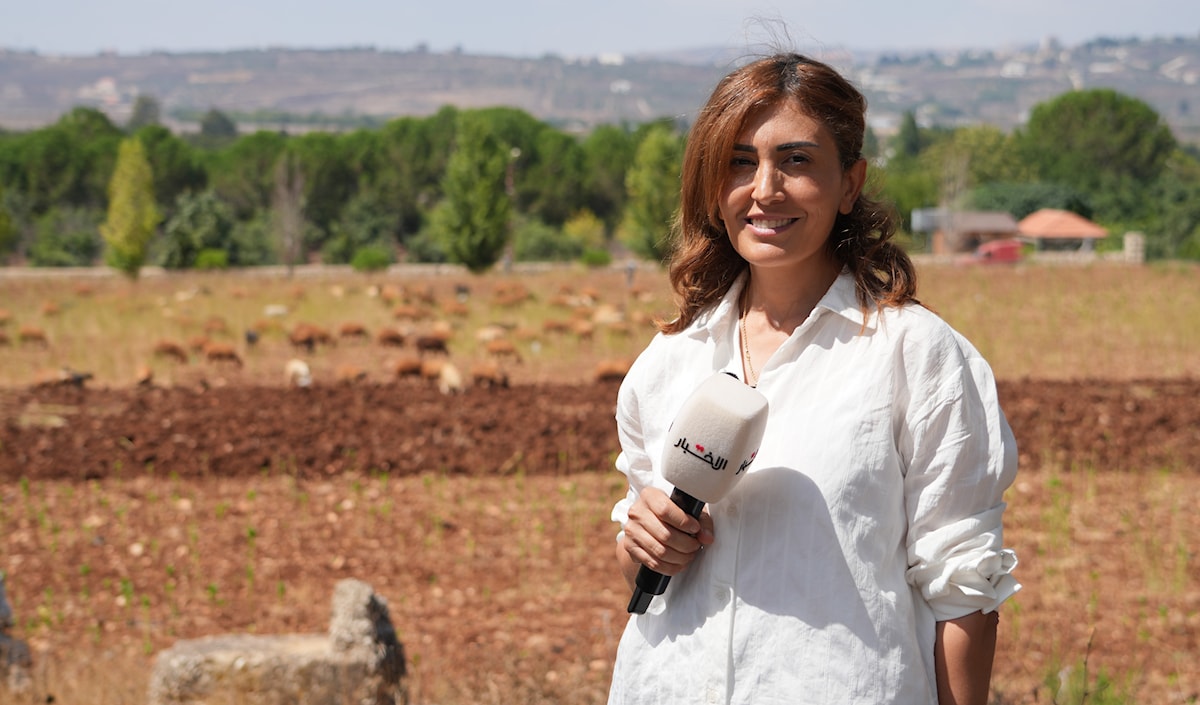
On Wednesday, 43-year-old Amal Khalil, a reporter for Lebanese daily newspaper Al-Akhbar, was documenting the aftermath of earlier Israeli strikes in the border town of al-Tayri when the attack unfolded alongside freelance photographer Zeinab Faraj. According to official accounts from Lebanon’s Ministry of Public Health, the sequence of violence began with an initial airstrike targeting a vehicle directly ahead of the two journalists, forcing them to seek immediate shelter in a nearby residential building. Moments later, a second precision strike hit the very building where the pair had taken cover.
Rescue teams initially pulled Faraj from the rubble, who was left with a critical head injury from the blast. However, when first responders returned to the site to extract Khalil, Israeli forces reportedly opened direct fire on the rescue ambulance and deployed a stun grenade, blocking emergency crews from reaching the trapped journalist. It would be several hours before responders could finally access the site, where they confirmed Khalil had been killed.
Khalil’s death was not an isolated incident: official tallies confirm she was one of seven people killed in a wave of Israeli strikes across southern Lebanon on Wednesday, marking the deadliest single day for fatalities since the 10-day ceasefire went into effect last week. That truce is scheduled to expire this coming Sunday, even as Israel has continued to carry out cross-border strikes, demolish civilian homes and conduct ground incursions into southern Lebanese territory in open violation of the ceasefire terms. Amid repeated Israeli breaches of the truce, Lebanese armed group Hezbollah responded earlier this week by launching a volley of rockets and drones targeting Israeli positions.
Lebanese Prime Minister Nawaf Salam swiftly condemned the attack on the journalists, labeling it a deliberate war crime. “We will spare no effort in pursuing these crimes before the relevant international bodies,” Salam said in an official statement following the killing.
Al-Akhbar, Khalil’s employer, released a statement mourning her loss, revealing that the journalist had received unspecified threats from unknown actors earlier this year. Press freedom watchdogs have echoed the condemnation, with the New York-based Committee to Protect Journalists (CPJ) saying it was deeply outraged by the attack.
“The repeated strikes on the same location, the targeting of an area where journalists were sheltering, and the obstruction of medical and humanitarian access constitute a grave breach of international humanitarian law,” said CPJ’s regional director Sara Qudah. “CPJ holds Israeli forces responsible for the endangerment of Amal Khalil’s life and the injuries sustained by Zeinab Faraj.”
The killing of Khalil fits into a broader, escalating pattern of journalist targeting by Israeli forces that has accelerated sharply since October 2023. To date, at least 262 journalists have been killed by Israeli forces in the Gaza Strip, with an additional 22 media workers killed in Lebanon since the escalation of cross-border conflict began last year. Targeting of journalists by Israeli forces is not a new development, but the sharp rise in fatalities over the past 12 months has prompted growing global alarm over press safety in the region.