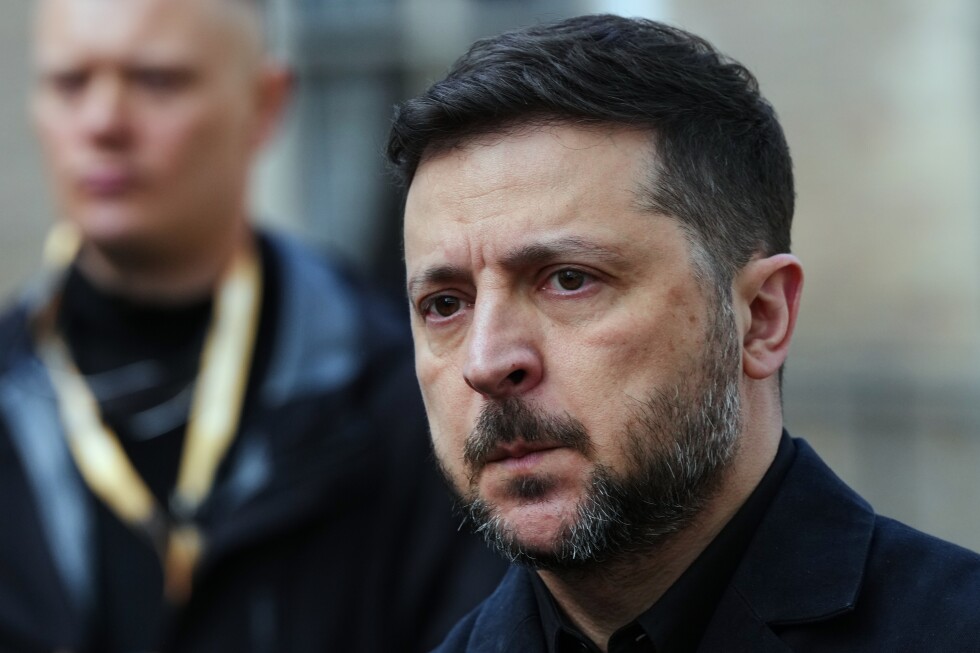
KYIV, Ukraine – After two months of halted oil transit following a Russian drone strike, Ukraine has wrapped up full repairs on the damaged section of the key Druzhba oil pipeline, with operations set to resume imminently, President Volodymyr Zelenskyy announced Tuesday. The completion of repair work has cleared the last major hurdle to unlocking a massive €90 billion ($106 billion) EU financial support package for Kyiv, which has been stuck in political deadlock for months over disputes linked to the pipeline outage.
In a social media post on X, Zelenskyy confirmed that Ukrainian technical teams have established all core conditions needed to restart the pipeline system and associated equipment, though he cautioned that there is no absolute security guarantee against repeated Russian targeting of critical energy infrastructure. “Russia has repeatedly targeted our energy networks to inflict harm on both Ukraine and our European neighbors, and we cannot rule out further attacks,” Zelenskyy noted.
The Druzhba pipeline, which carries Russian crude oil to landlocked Central European clients including Hungary and Slovakia, has been out of operation since Russian drone strikes damaged a segment crossing Ukrainian territory in late 2024. The outage quickly sparked a political row: Budapest and Bratislava accused Kyiv of intentionally blocking oil deliveries to pressure their governments, while the two countries held up approval of the EU’s multi-year aid package for Ukraine in retaliation.
The €90 billion loan package is designed to cover Ukraine’s urgent military, humanitarian and economic needs through 2026, backing the country’s ongoing defense against Russia’s full-scale invasion that launched in February 2022. Months of negotiations failed to break the deadlock until recent political shifts in Hungary, where long-serving Prime Minister Viktor Orbán – who had positioned himself as Moscow’s closest ally within the bloc and repeatedly blocked EU aid initiatives – was unseated by centrist challenger Péter Magyar in a landslide election earlier this month. Orbán had previously agreed to a compromise that allowed the aid package to move forward without requiring Hungary to participate in any financial obligations, but he reversed that position amid campaigning, tying his opposition to the pipeline dispute.
Top EU officials say they are now cautiously optimistic that the full package will receive final approval when EU envoys convene for a scheduled meeting on Wednesday. Speaking to reporters in Luxembourg following a meeting of EU foreign ministers, EU High Representative for Foreign Affairs Kaja Kallas acknowledged the approval process has been fraught with unforeseen delays, but signaled that a breakthrough is imminent. “We expect an agreement within the next 24 hours, so I don’t want to jinx it,” Kallas said.
European Council President Antonio Costa, who is set to chair a summit of EU 27 leaders starting Thursday, publicly thanked Zelenskyy for fulfilling the agreed upon terms to get the pipeline back online. “This is an important step forward for both European energy security and Ukraine’s ability to defend its sovereignty,” Costa’s social media statement read.
The EU’s aid package was originally structured to use billions in frozen Russian sovereign assets held across European jurisdictions as collateral for the loan, but that plan hit a wall when Belgium – where the vast majority of those immobilized assets are stored – rejected the proposal. After months of negotiations, EU leaders reached a revised compromise in December 2024: the bloc would borrow the full €90 billion on international capital markets, with Hungary, Slovakia and the Czech Republic opting out of any potential financial liability for the loan. Orbán’s last-minute reversal on that compromise over the pipeline dispute extended the deadlock for another six weeks, until the completion of Hungary’s national election and Ukraine’s pipeline repairs removed the final barriers.
The Russian invasion of Ukraine has entered its third year, leaving tens of thousands dead, displacing millions of people, and reducing dozens of Ukrainian cities and towns to rubble. The €90 billion package represents one of the largest single commitments of Western support for Kyiv to date, with the funds earmarked for both frontline military capabilities and core government functions including infrastructure repair and public services.