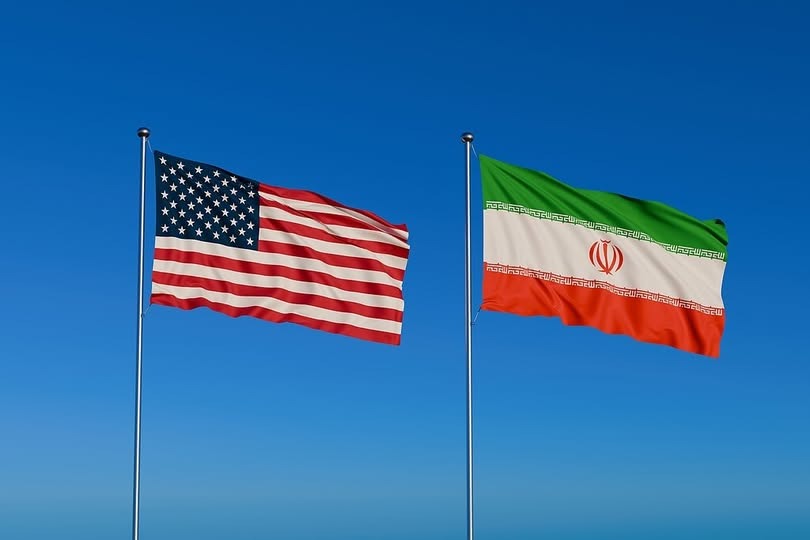
Fresh geopolitical friction erupted between the United States and Iran on Sunday, as both nations traded sharp accusations of violating an existing ceasefire agreement, raising new risks to regional stability in the Persian Gulf.
Speaking from Tehran, Iranian Foreign Ministry spokesperson Esmaeil Baghaei condemned what he called the U.S. unlawful naval blockade of Iran’s port facilities and coastal territories, labeling the action a criminal breach of the agreed ceasefire terms.
Across the Atlantic in Washington, the mutual blame game continued: ABC News’ chief Washington correspondent Jonathan Karl reported via social platform X that U.S. President Donald Trump had directly told him Iran was responsible for a “serious violation” of the ceasefire. Trump added that a final diplomatic deal would be reached “one way or another. The nice way or the hard way,” according to Karl’s account.
Earlier that same day, Trump expanded on his administration’s stance in a post on his Truth Social platform, confirming that U.S. diplomatic negotiators would travel to Islamabad on Monday to participate in a new round of bilateral talks with Iran. In a stark warning, Trump claimed the U.S. has put forward “a very fair and reasonable DEAL” to Iran, and threatened that if Tehran rejects the proposal, the United States will destroy every power plant and every bridge across Iran.
The escalating verbal exchange comes amid a complete shutdown of commercial shipping through the Strait of Hormuz, one of the world’s most critical energy chokepoints. After the U.S. deployed naval forces to enforce a blockade of Iranian waters over the weekend, Iran moved to reassert its own sovereign control over the strategic waterway, leaving all maritime traffic at a standstill as of Sunday. The standoff has already raised global concerns over potential disruptions to international energy supplies, with the strait accounting for roughly a fifth of global oil trade volumes.