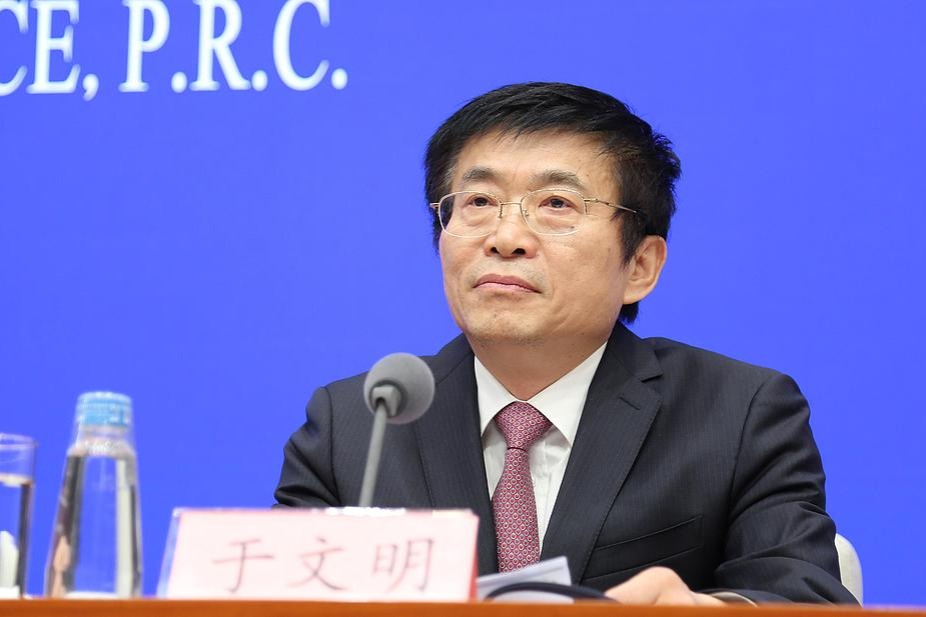
China’s top prosecutorial body announced Friday that Yu Wenming, the former director of the National Administration of Traditional Chinese Medicine (NATCM), has been formally indicted for alleged bribery by prosecutors in the northern Chinese city of Tianjin.
The case against Yu follows a full investigation conducted by the National Commission of Supervision, China’s top anti-corruption watchdog. After investigators concluded their probe, the case was transferred to prosecutorial organs for formal review and indictment proceedings. The central authority assigned Tianjin’s prosecuting team to handle the case, and legal documents were recently filed with the Tianjin No. 1 Intermediate People’s Court to move the trial process forward.
According to the indictment filed by Tianjin prosecutors, Yu abused his authority during his tenure as deputy head of the NATCM to secure improper benefits for multiple individuals and entities. In exchange for these favors, the former official accepted substantial sums of money and high-value valuables, prosecutors allege.
Prosecutorial officials confirmed that the legal process has adhered to all required criminal procedures: Yu has been formally notified of his full legal rights throughout the review and prosecution stage, and legal representatives have accepted and reviewed arguments submitted by Yu’s defense team.
A 62-year-old native of East China’s Shandong Province, Yu has a decades-long career rooted in the medical and pharmaceutical sectors. He began his professional career in August 1988, and joined the NATCM’s leadership as deputy director in April 2004. He was promoted to head of the national TCM administration in 2018, and was first placed under formal corruption investigation by supervisory authorities in June 2025. Yu is a member of the Chinese Peasants and Workers Democratic Party, one of China’s eight non-communist political parties that participate in state governance consultation.
The indictment marks a key milestone in China’s ongoing national anti-corruption campaign, which has targeted officials across all sectors of government, including public health and regulatory agencies, since it was launched in 2012.