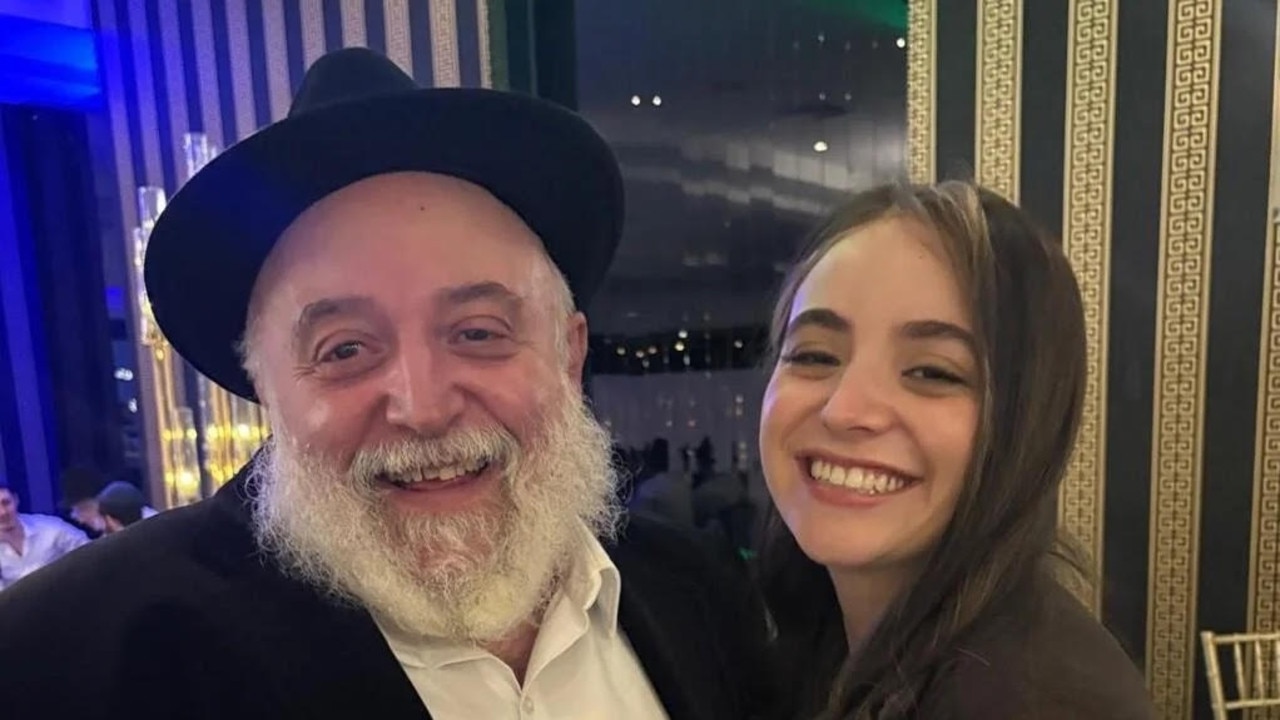
Almost one year after Australia’s devastating 2025 Bondi terror attack that left 15 innocent people dead, a new push to confront rising antisemitism has gained the support of a victim’s family. On Saturday, details emerged of Waverley Council’s proposed plan to co-host a national antisemitism summit, scheduled for late November, two weeks ahead of the December 14 first anniversary of the mass shooting. The proposal has already earned public backing from Sheina Gutnick, whose father Reuven Morrison was among those killed in the brutal attack.
Gutnick, who joined the global Combat Antisemitism Movement (CAM) earlier this month following her father’s death, has thrown her full support behind the summit, framing the event as a critical step to root out violent hate before it can claim more lives. In a statement shared with media, Gutnick emphasized that holding the gathering in Bondi itself carries profound symbolic weight. This community, she noted, has already paid the ultimate price for unchecked antisemitism, making it the logical place to expand Australia’s national response to the ideology.
“My father was killed because of hatred that was allowed to grow unchecked,” Gutnick said. “If this summit is to mean anything, it has to confront that hatred at its source. That means bringing local councils together with interfaith leaders, educators, and youth workers to invest in deradicalization, early-intervention, and prevention measures that stop the next attack before it is ever planned.” The summit will bring together cross-sector leaders from across the country to map out actionable strategies to identify, expose, and address antisemitism in all its forms.
Waverley Council is set to hold a formal vote on the proposal next week, which would see the local government partner with the New South Wales state government and the Commonwealth government of Australia to stage the two-day event on November 26 and 27. Waverley Mayor Will Nemesh has also voiced strong support for the plan, arguing that the summit comes at a critical moment for both local and national efforts to build inclusive, cohesive communities.
“Co-hosting the summit presents a powerful and timely opportunity to bring together councils, community leaders and government partners to reflect, honour the memory of victims, and recommit to building cohesive communities free from antisemitism,” Nemesh said. For Gutnick and other families affected by the attack, the summit is more than a commemorative event—it is a chance to turn a national tragedy into meaningful action that can prevent future acts of terror fueled by hate.