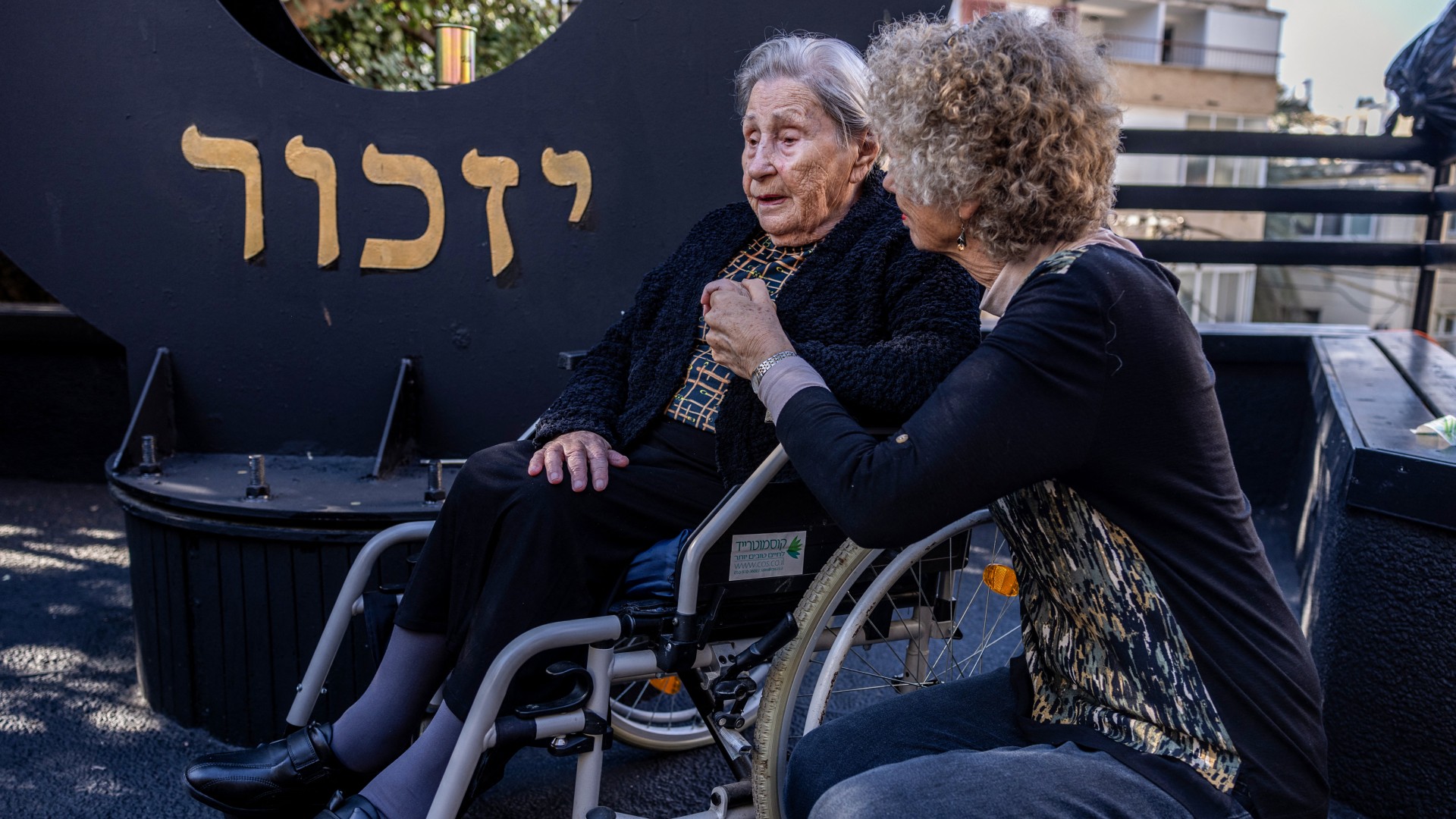
A groundbreaking joint study conducted by two leading Israeli welfare organizations has exposed a devastating humanitarian crisis: more than one in three Holocaust survivors residing in Israel are currently living below the poverty line, with their economic insecurity and mental health trauma dramatically exacerbated by the ongoing US-Israeli military conflict against Iran.
The findings, released publicly on Monday by the Eran Association — Israel’s largest non-profit organization dedicated to providing mental and emotional health support — and the Foundation for the Welfare of Holocaust Victims, paint a grim portrait of neglect and crisis for a population that already carries generations of trauma from the Nazi genocide. The conflict, which began on February 28 when US and Israeli forces launched a large-scale offensive against Iranian targets, has prompted a surge in urgent need among the elderly survivor community. Eran’s data confirms that the organization has received more than 11,600 calls for help from survivors since the outbreak of hostilities — a staggering increase compared to just 3,200 calls received across the entire year of 2026, before the war began.
Physical danger has compounded the economic and emotional pressure: Eran confirms that the homes of at least 50 Holocaust survivors across Israel have sustained damage from Iranian retaliatory strikes, which targeted Israeli territory and Gulf Arab states following the initial US-Israeli attack. For survivors already in fragile health and unstable financial situations, the war has rapidly worsened living conditions over the past month. Thirty-six percent of survivors surveyed now report they depend entirely on charitable aid to afford basic food staples, while 27 percent have been forced to skip meals entirely, either due to unaffordable costs or limited mobility that prevents them from accessing grocery stores.
Pre-existing structural vulnerabilities have been laid bare by the conflict. More than 65 percent of Israel’s estimated 70,000 Holocaust survivors live alone, struggling with chronic loneliness that has been amplified by wartime disruption to care services. Many survivors shared harrowing accounts of helplessness during air raid sirens, including one bedridden woman who was left stranded alone above ground when her caregiver fled to an underground bomb shelter without assistance for her. In another troubling incident shared with Eran, an 87-year-old survivor contacted her local municipal government for guidance on reaching a bomb shelter located hundreds of meters from her home, only to be told she “needed to run” to the shelter with no additional support offered.
“These calls are heartbreaking. It’s very difficult,” said David Koren, chief executive officer of Eran Association, in an interview following the report’s release. Beyond immediate wartime fear, survivors contacting the hotline described reactivated trauma from their experiences during the Holocaust, alongside persistent anxiety, grief, and unmet needs related to age-related disability and chronic illness.
This crisis is not new: it is the culmination of years of systemic neglect, pre-dating the current conflict. Back in December 2026, Israel’s public broadcaster Kan released an investigation revealing that some 5,000 Holocaust survivors were on waiting lists for public housing assistance. The investigation found that 2,500 survivors had died over the preceding five years while waiting for state-supported housing support to materialize. Most of these waiting list survivors were immigrants from the former Soviet Union, who do not qualify for state pensions in Israel.
Speaking after the Kan investigation was published, Yasmin Sachs Friedman, chair of the Israeli parliament’s special committee on Holocaust survivor welfare, acknowledged the state’s failure to address the crisis. “The data is very, very difficult, and what are we waiting for? The average age is 87,” Friedman said. “I understand that the state has failed and will not be able to create immediate housing solutions for Holocaust survivors.” The new study from Eran and the Foundation for the Welfare of Holocaust Victims puts renewed pressure on the Israeli government to address the unmet needs of the last generation of Holocaust survivors, even as the country remains absorbed by the ongoing conflict with Iran.