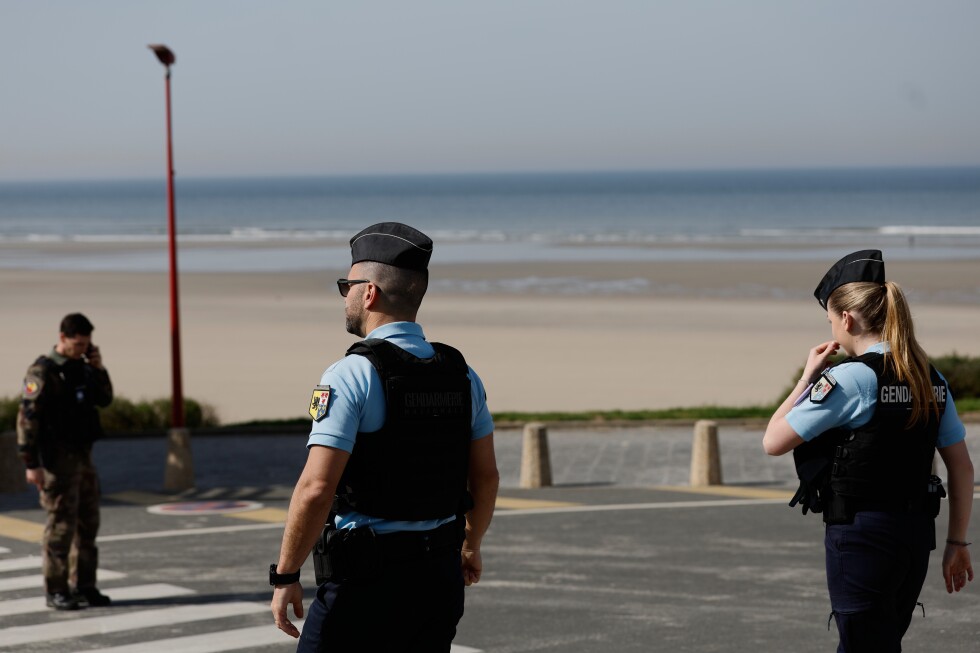
A deadly incident off the northern coast of France has left four migrants dead and triggered a high-profile arrest in the United Kingdom, shining a new spotlight on the persistent dangers of irregular crossings of the English Channel. According to official updates, the tragedy unfolded Thursday at Equihen-Plage, a popular beach near the French port city of Calais, where a group of migrants had gathered to launch an inflatable boat bound for British shores. As the group waded out into rough waters, strong currents swept the craft and its passengers off course, leading to the deaths of four people identified as two men and two women. Rescuers pulled 38 other surviving migrants from the water in the immediate aftermath of the disaster.
On Friday, one day after the tragedy, British law enforcement confirmed they had taken a 27-year-old Sudanese man into custody at a migrant processing facility on England’s southeast coast. The arrest was carried out under the UK’s new border and immigration legislation, which allows authorities to bring charges for endangering lives during irregular sea crossings to the country. UK officials note the suspect was among more than 70 migrants who successfully completed the crossing to England after the incident. It remains unclear at this early stage of the investigation what role authorities allege the suspect played in organizing or facilitating the fatal journey, and investigators have not released further details about his alleged connections to the crossing operation.
The smuggling tactic used in this attempted crossing has become increasingly common among human traffickers operating in northern France, authorities explain. In recent years, French police have cracked down on traditional crossing attempts by intercepting migrants as they inflate large rafts on beaches and puncture the vessels before they can be launched. To evade these patrols, smugglers have shifted to the so-called “taxi-boat” model: small motorized inflatables that cruise along the French coast, picking up small groups of migrants who wade out from shore to meet the vessel. This approach allows smugglers to avoid drawing the attention of beach patrols by keeping the craft out at sea until the last minute.
Under existing international maritime agreements, French law enforcement is restricted from intercepting small migrant boats once they are already out on the open water, as such operations are considered to carry an unacceptably high risk of endangering the lives of people on board. This policy has created a persistent gap in enforcement that smugglers have repeatedly exploited to organize crossings.
The National Crime Agency (NCA) confirmed Saturday that the suspect remains in police custody, where he is scheduled to undergo formal questioning. Investigators also announced plans to interview dozens of other migrants who were involved in the broader group of crossers to build a clearer picture of the smuggling network and the events that led to Thursday’s deaths.
This latest tragedy comes amid a sharp recent spike in attempted irregular crossings of the Channel, as well as a rising number of fatalities. On Wednesday alone, British and French rescue services pulled 102 migrants from the water in two separate interception operations. Just one week prior, two other migrants died in a nearly identical incident off the coast north of Calais, marking the second deadly crossing attempt in less than a month. Human rights groups and border officials have repeatedly warned that the cold, fast-moving waters of the English Channel make any small-vessel crossing inherently lethal, particularly during periods of rough weather.