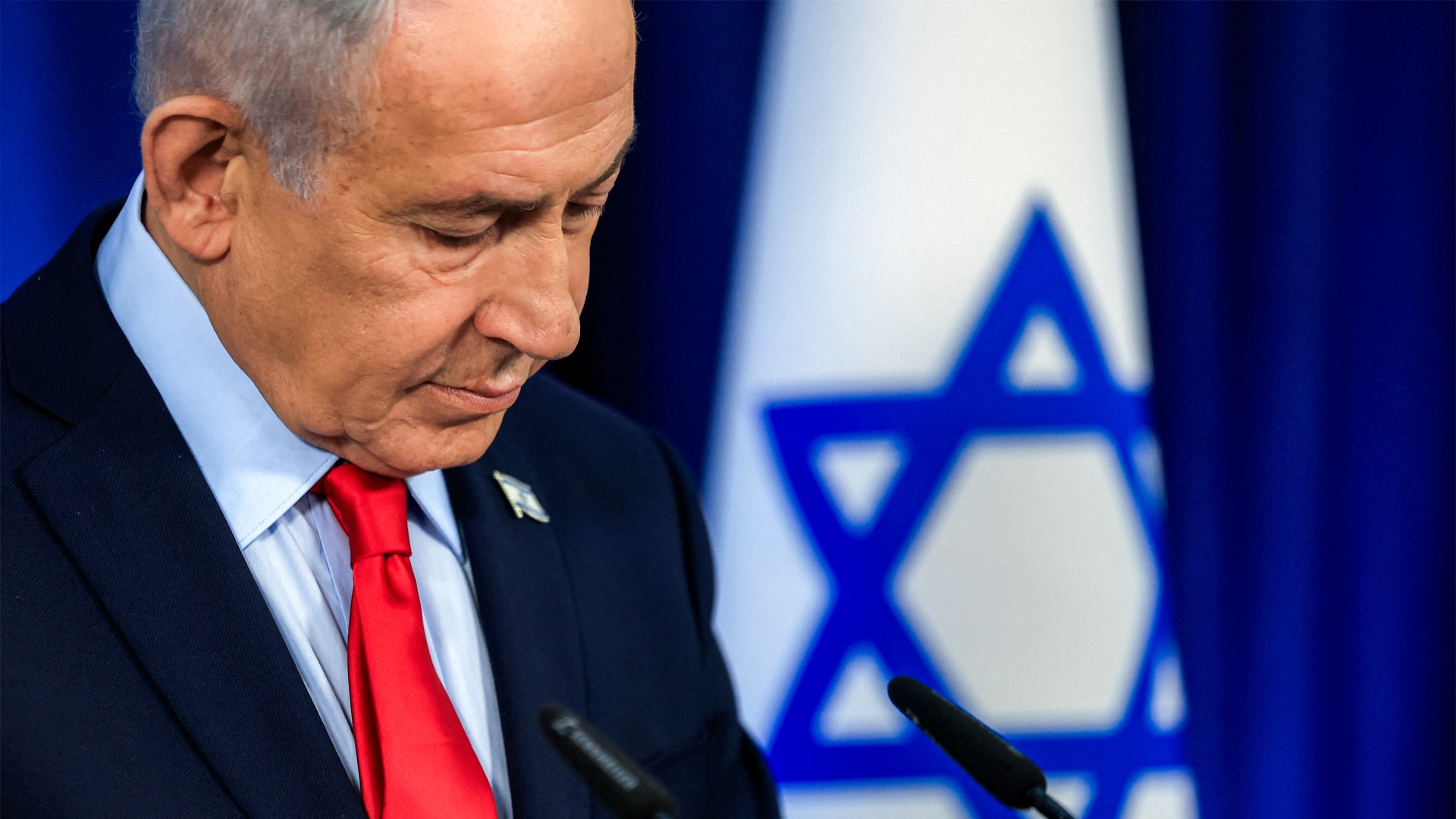
Late Tuesday, Israelis fell asleep amid soaring tensions, after a stark threat from then-US President Donald Trump to erase Iranian civilization. Overnight, however, the landscape shifted dramatically: Trump had unexpectedly reached a ceasefire agreement with the Islamic Republic, ending a short but devastating regional conflict.
Following the White House announcement, Iranian state media released the 10 core terms that underpin Tehran’s agreement to the truce. Key provisions include a full permanent halt to cross-hostilities between Washington and Tehran, authorization for Iran to continue its domestic uranium enrichment program, formal security guarantees for Iran’s regional allied groups, war reparations for damage inflicted during joint US-Israeli strikes, and the right for Iran to impose transit fees on all commercial vessels passing through the Strait of Hormuz.
If these terms are formalized into a lasting US-Iran peace deal, political analysts widely agree it could spell the end of Benjamin Netanyahu’s decades-long political career. As a recent New York Times investigation revealed, Netanyahu was the primary driving force behind the conflict, single-handedly pressuring Trump to enter the war on Israel’s behalf. A ceasefire that leaves Iran strengthened would not only end his political run but also tarnish the hardline legacy he has spent decades building.
Netanyahu launched the conflict on February 28 with an explicit goal: to topple Iran’s ruling Islamic establishment. As Iran withstood weeks of intense strikes without caving to US demands, he gradually walked back that ambition, shifting his stated objective to weakening Iran enough to strip it of its status as a major regional power. He also sought to position Israel as the primary proxy through which the US would manage Middle East affairs—an outcome that never materialized.
Today, Iran’s ruling government remains fully intact, retains full control over its ballistic missile program, retains the capacity to restart full-scale nuclear activities, and has consolidated authority over the Strait of Hormuz, the global energy market’s most critical chokepoint. Many regional analysts now assess that Iran will emerge from the conflict as the most powerful state in the Middle East—a complete reversal of Netanyahu’s core war aims. For 30 years, Netanyahu has framed Iran as an existential threat to Israel and Western influence in the region; the conflict he pushed for has only turned that threat into a more formidable power.
Beyond Netanyahu’s personal political standing, the new ceasefire terms also put the long-term future of the Abraham Accords at risk. The agreements, which normalized relations between Israel and several Gulf Arab states, were built on the framework of excluding the Palestinian issue from negotiations. If Iran solidifies control over the Strait of Hormuz, those same Gulf states will become increasingly dependent on Iranian approval to export their oil and natural gas to global markets. The conflict also exposed the weakness of Gulf states, which failed to respond to Iranian incursions on their territory despite their long-standing security alliances with Washington. This has fueled growing doubt among Gulf leaders about the reliability of US and Israeli security guarantees, opening the door to a gradual shift away from American regional dominance.
The ceasefire also lays bare another major failure for Netanyahu: his claimed victory over Lebanon’s Hezbollah movement. After a November 2024 ceasefire between Israel and Hezbollah, Netanyahu and Israeli military leadership marketed a narrative of total defeat to the Israeli public, claiming the group had been dismantled as a military force and no longer posed a threat to northern Israel. For months, Israeli strikes across Lebanon went unanswered, reinforcing the perception that Hezbollah was broken. But when Hezbollah launched a massive retaliatory attack after Israeli forces killed Iran’s Supreme Leader Ali Khamenei, it shocked both the Israeli public and military leadership. A leaked conversation from the head of Israel’s Northern Command confirmed that military officials had massively underestimated Hezbollah’s remaining capabilities. Since the broader war began, the group has fired an average of 200 missiles into northern Israel daily, crippling economic and civilian life in the region. Now that Iran has demanded the ceasefire include Lebanon, Netanyahu faces political catastrophe: if the demand is met, the Iran-led Axis of Resistance—encompassing Hezbollah, Yemen’s Houthi movement, and Iraqi paramilitaries—will gain formal international recognition for the first time. Netanyahu will be unable to convince Israeli voters, especially displaced residents of the north, that he defeated Hezbollah when he is forced to end the conflict by Iranian pressure.
Across the board, Netanyahu’s war has ended in failure. He convinced the world’s sole superpower to join his campaign to topple the Iranian government, only to leave Iran stronger than before. He claimed to have destroyed Hezbollah, only to see the group emerge as a more potent threat to northern Israel. A Haaretz journalist recently captured the moment perfectly, comparing Netanyahu’s obsession with Iran to Captain Ahab’s obsessive hunt for Moby Dick in Herman Melville’s classic novel: just as Ahab’s obsession destroyed him, Iran’s new strength could end Netanyahu’s political career.
Contrary to expectations that wartime rallying would boost his support, opinion polls conducted during the conflict have shown no gain for Netanyahu’s right-wing coalition. With a national election looming, current polling puts his bloc at roughly 50 seats, 11 short of the 61-seat majority needed to form a new government. Even his core base of right-wing voters is growing disillusioned: for years, his supporters framed him as a leader divinely ordained to reshape the Middle East in Israel’s favor, a narrative that collapses now that Iran has emerged stronger. Even if his most loyal base remains intact, Netanyahu will struggle to rebuild trust with other segments of Israeli society, and disaffected right-wing voters are expected to defect to center-right, centrist, and center-left opposition parties.
Even after Trump’s ceasefire announcement, the Israeli military has continued its strikes against targets in Lebanon, a move Iran has labeled a deliberate violation of the truce. Tehran has already threatened to close the Strait of Hormuz in response to the continued attacks, leaving the ceasefire on extremely shaky ground. Analysts say Netanyahu’s continued aggression is no accident: backed into a corner politically, he has every incentive to sabotage the ceasefire to drag the US back into open war, in a last-ditch effort to salvage his political future and hardline legacy as the leader who secured Israeli dominance in the Middle East. Under heavy US pressure, Netanyahu hinted this Thursday that he was open to direct peace negotiations with the Lebanese government, but few analysts believe he will abandon his push to reverse the ceasefire. For a leader fighting for his political survival, there is little to lose in risking regional war to preserve his legacy.