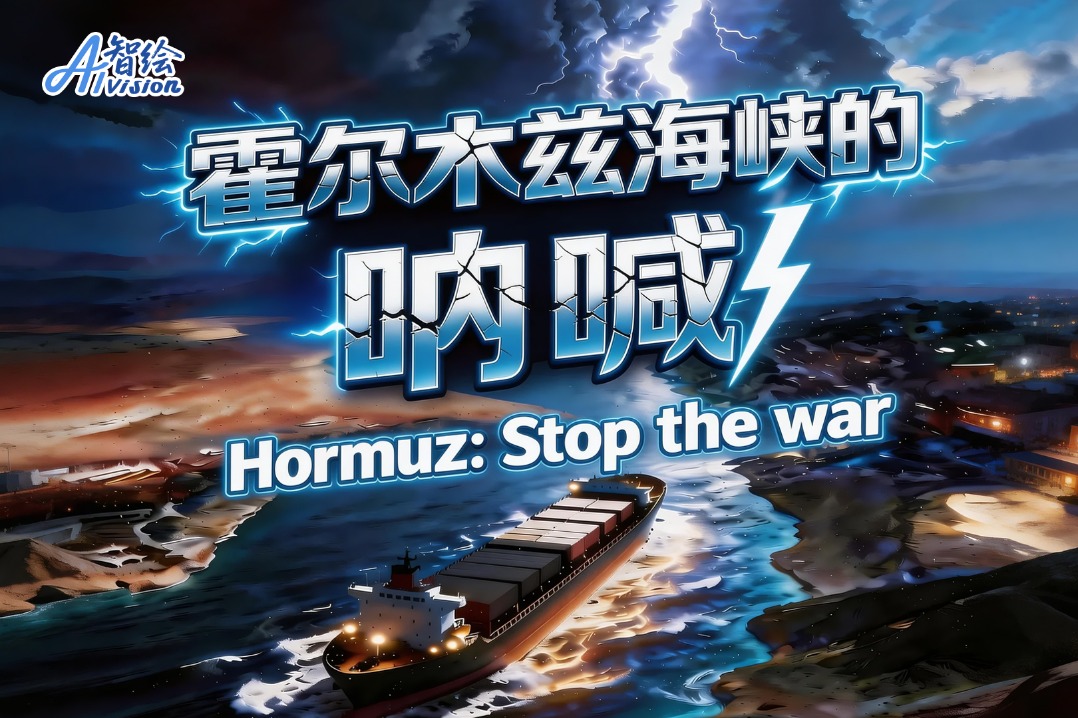
The Strait of Hormuz, one of the world’s most critical energy chokepoints, carries 20 percent of the globe’s total oil and natural gas supplies, making its ongoing instability a matter of urgent international concern. As military tensions between the US-Israeli bloc and Iran have escalated into active strikes across the region, commercial shipping operations through the strategic waterway have ground to a complete halt.
While diplomatic negotiations have recently resulted in a temporary ceasefire agreement to de-escalate hostilities, normal commercial traffic has yet to resume through the strait. Industry analysts and global policymakers warn that prolonged disruptions to energy transit through Hormuz could send shockwaves through already fragile global energy markets, driving up fuel prices, exacerbating inflationary pressures, and derailing fragile post-pandemic economic recovery efforts worldwide.
Beyond economic risks, the unresolved standoff puts thousands of civilian seafarers, port workers, and regional civilian populations at grave risk of injury or death amid the lingering threat of renewed military conflict. International stakeholders have widely echoed the urgent call to fully halt military activities, lock in lasting peace, and restore stability to the Hormuz region to protect civilian lives and prevent further damage to the global economy.