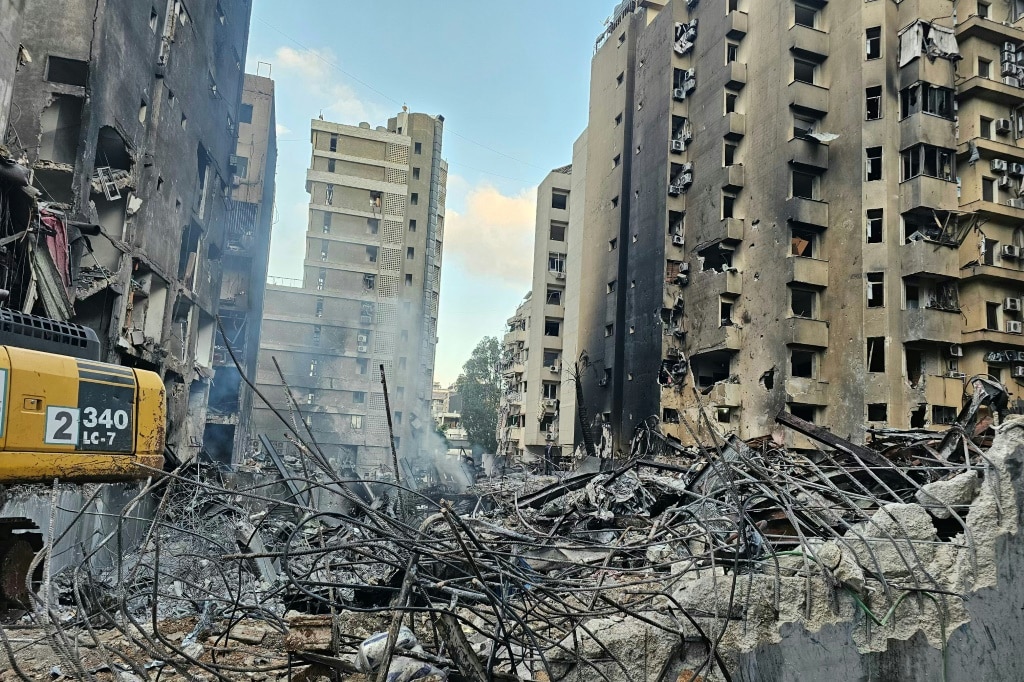
The fragile calm brokered by a US-Iran ceasefire in the Middle East shattered Wednesday when Israel launched its most devastating wave of airstrikes on neighboring Lebanon since Hezbollah joined the regional conflict in March, leaving more than 180 people dead and hundreds injured, and drawing widespread condemnation from world leaders and international aid organizations.
The death toll from the single day of attacks, which targeted areas across Lebanon including densely populated central Beirut, stands at 182 killed with 890 wounded, according to Lebanon’s health ministry. In response to the carnage, Lebanese Prime Minister Nawaf Salam designated Thursday a national day of mourning across the country.
Agnes Dhur, head of the International Committee of the Red Cross (ICRC) delegation in Lebanon, described the sudden, deadly assault as a catastrophic blow to a population already clinging to hope for a ceasefire. “People across Lebanon were holding their breath for a ceasefire agreement, but a wave of deadly strikes plunged the country into panic and chaos,” Dhur said, adding that the ICRC is outraged by the devastating death and destruction inflicted on densely populated civilian areas. United Nations High Commissioner for Human Rights Volker Turk echoed the condemnation, saying “The scale of the killing and destruction in Lebanon today is nothing short of horrific. Such carnage, within hours of agreeing to a ceasefire with Iran, defies belief.”
In the aftermath of the strikes, the Iran-backed militant group Hezbollah announced it had launched rocket attacks toward northern Israel, framing the action as a response to Israel’s violation of the US-brokered truce between Washington and Tehran. The group had previously asserted its right to retaliate for the deadly wave of bombardment.
Global powers have widely called for the existing ceasefire between the US and Iran to be extended to Lebanon to prevent further escalation. British Foreign Secretary Yvette Cooper told Sky News she was deeply troubled by the escalating Israeli attacks in Lebanon and strongly supports extending the ceasefire to the country. French Foreign Minister Jean-Noel Barrot condemned the ongoing strikes, noting they “undermine the temporary ceasefire reached yesterday between the United States and Iran” making them all the more unacceptable. French President Emmanuel Macron held phone talks with both US President Donald Trump and Iranian President Masoud Pezeshkian to push for Lebanon to be included in the truce. “I expressed my hope that the ceasefire will be fully respected by each of the belligerents, across all areas of confrontation, including in Lebanon,” Macron wrote on social media platform X.
China’s foreign ministry spokesperson emphasized that “Lebanon’s sovereignty and security should not be violated. The safety of civilian lives and property must be guaranteed,” and called for urgent de-escalation across the region. Iranian President Masoud Pezeshkian has already listed a halt to Israeli strikes on Lebanon as one of the core conditions of Iran’s 10-point plan to end the broader regional war, according to Iranian state media.
Despite the regional escalation triggered by the Lebanese strikes, many residents of Iran’s capital have welcomed the ceasefire with the US, breathing a collective sigh of relief after weeks of cross-border bombardment. While some residents expressed fear the truce would ultimately collapse, others celebrated what they framed as a victory for their country. “Everyone is at ease now, we are more relaxed,” 50-year-old Tehran housewife Sakineh Mohammadi told Agence France-Presse, adding she was proud of her country’s actions.
In other regional developments, Spanish Foreign Minister Jose Manuel Albares announced that Spain will reopen its embassy in Iran, a mission that was shuttered in March following the outbreak of the latest war. Iran also announced that it is rerouting commercial shipping through an alternative route in the Strait of Hormuz, a critical global energy chokepoint, citing risks of sea mines in the main shipping lane. The Iranian government released official navigation instructions for the new entry and exit corridor through the strait.
A new round of direct talks between US and Iranian officials is set to open Saturday in Islamabad, with US Vice President JD Vance leading the American delegation. Vance will be joined by White House special envoy Steve Witkoff and Jared Kushner, former President Trump’s son-in-law. Speaking to reporters during a stop in Hungary, Vance urged Iran not to allow the truce to collapse over the conflict in Lebanon, noting that a halt to Israeli military operations in Lebanon was never included in the original ceasefire agreement reached earlier this week.