A leading advocacy organization for Afghan evacuees has sounded a sharp alarm over the Trump administration’s recent restart of special immigrant visa (SIV) processing for Afghans who supported the U.S. government, calling the long-awaited resumption a calculated deception preordained to end in widespread, blanket denials.
#AfghanEvac, the coalition coordinating evacuation and advocacy efforts for at-risk Afghans, made the allegations public in a formal statement released Wednesday. According to group leadership, the Trump administration has begun directing Afghan SIV applicants to coordinate cross-border travel and schedule in-person interviews at U.S. embassies, but it is intentionally withholding a critical piece of information from those applicants: under current administration policies, their applications are almost certainly set to be rejected.
“This is not speculative rumor — this is confirmed by sworn testimony from a senior State Department official,” said Shawn VanDiver, president of #AfghanEvac.
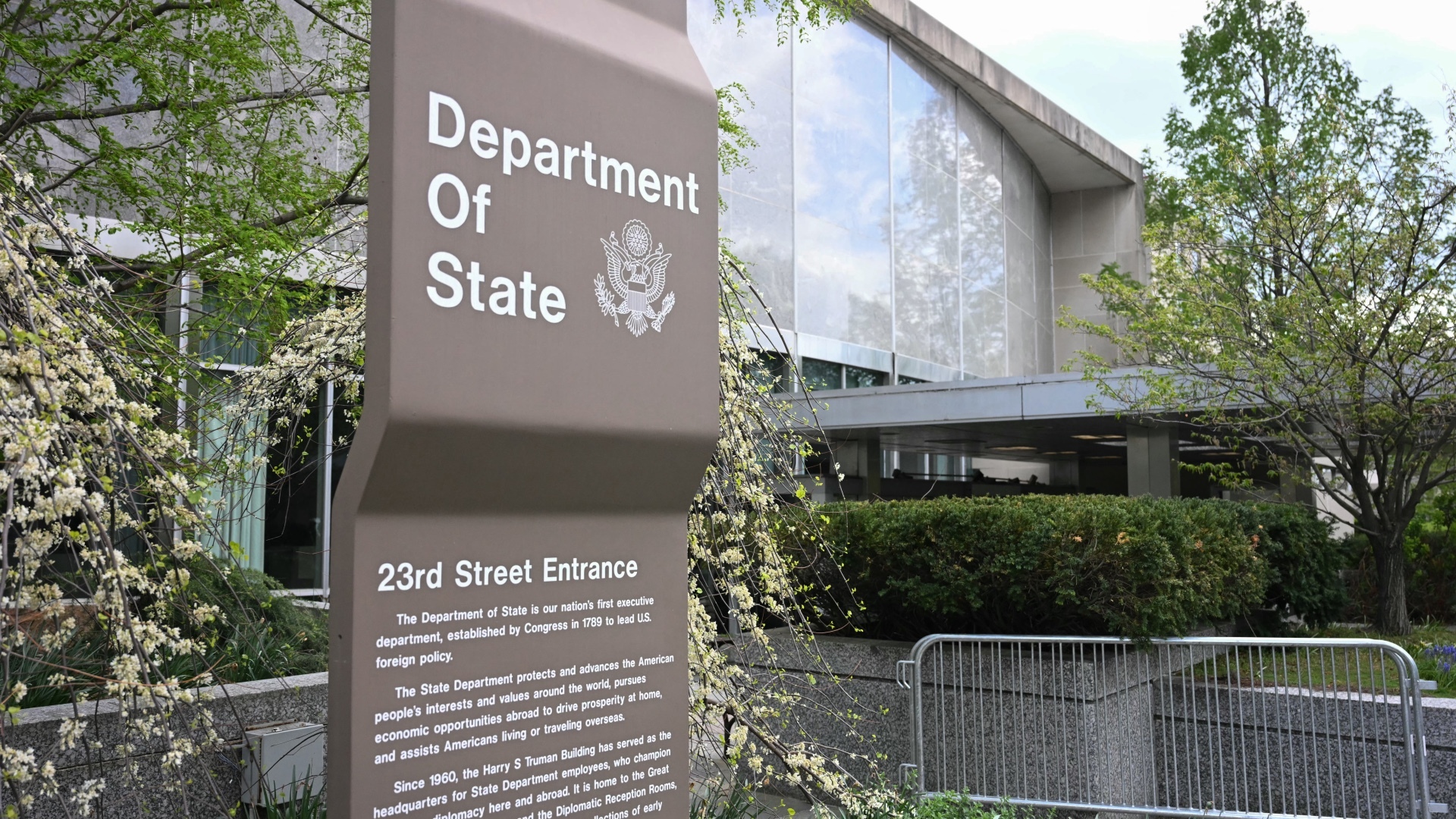
The testimony in question comes from Andrew Veprek, the U.S. Assistant Secretary of State for Population, Refugees, and Migration, who submitted the statement to a federal court in Washington, D.C. on March 30 as part of ongoing litigation in the case *Afghan and Iraqi Allies v Rubio*, filed late last year. Veprek confirmed in his testimony that SIV processing resumed in February of this year, a step the administration was ordered to take by the court.
However, #AfghanEvac emphasizes that processing an application is not equivalent to approving entry into the United States. Veprek’s own testimony acknowledges that the Trump-era Afghan travel ban remains fully in force via executive order, and consular officers face no requirement to notify applicants in advance of potential inadmissibility grounds that will lead to denial.
The timing of the visa processing restart carries added significance amid a separate administration deadline to close Camp As Sayliyah, a U.S. processing facility in Qatar that currently holds more than 1,000 at-risk Afghans stuck in limbo while waiting for U.S. resettlement approval. The Trump administration originally set a March 31 deadline to shut down the camp, and the State Department has been searching for third countries willing to accept the displaced Afghans. Department officials have also blamed the prior Biden administration for what they claim was inadequate vetting of the Afghan evacuees.
Interviews with multiple Afghans currently held at the Qatar camp contradict that claim, however. Multiple evacuees told Middle East Eye they have already received approved U.S. visas, some through pathways outside the SIV program, and standard protocol requires extensive pre-screening before evacuees are ever flown to the Qatar facility in the first place.
As of April 8, the camp remains open, contradicting the original March 31 shutdown timeline. The only Afghans who have been allowed to leave the facility so far have accepted U.S. government stipends to return to Afghanistan — a move the State Department previously told Middle East Eye it would not pursue.
VanDiver explained the tangible harm of the administration’s deceptive policy: “In plain terms: people are being told to show up for a process that the government already expects to end in denial, without being told that upfront. For many, that means spending scarce resources, crossing borders, and taking on real personal risk for an outcome that is effectively predetermined.”
Veprek’s testimony also outlined new plans to increase monthly visa interview scheduling at the U.S. embassy in Islamabad, Pakistan — where thousands more Afghans are waiting for SIV outcomes — by 25% this month. Even with that increase, however, Veprek acknowledged the U.S. cannot expand processing much further, noting that allocating the majority of interview slots to Afghan applicants rather than Pakistani citizens risks damaging bilateral relations between Washington and Islamabad.
Data from the U.S. government compiled by #AfghanEvac underscores the staggering scale of the ongoing backlog. As of August 2025, 178,110 Afghan applicants have already received chief of mission approval, the formal qualification step for an SIV. None of these approved applicants have yet completed their required interviews or received their issued visas. #AfghanEvac warns the backlog could take more than a decade to clear at current processing rates, a timeline stretched even longer by widespread staff cuts implemented last year as part of the Trump administration’s DOGE initiative.