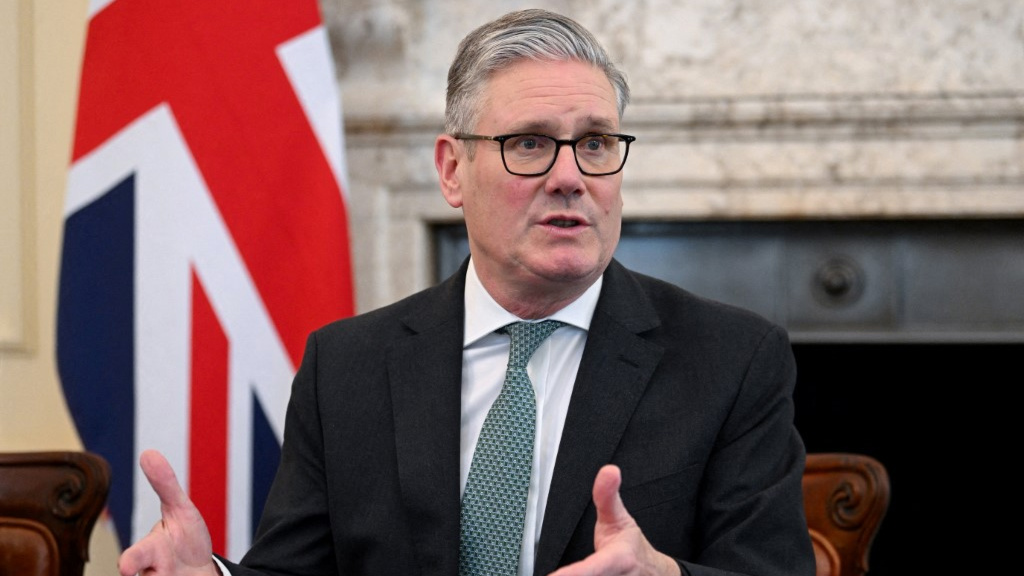
Fresh off the U.S.-Iran ceasefire deal that paused tit-for-tat hostilities across the Middle East, British Prime Minister Keir Starmer has launched a three-day diplomatic tour of Gulf states with a single, high-stakes core goal: locking in the temporary truce and unblocking the strategically critical Strait of Hormuz, a linchpin of global energy supplies.
Downing Street confirmed ahead of the trip that Starmer’s central focus will be advancing coordinated diplomatic work to entrench the ceasefire, a breakthrough that emerged after weeks of escalating conflict between Washington, Tehran and their regional allies. In remarks delivered early Wednesday, the prime minister struck a cautious but hopeful tone, noting that the overnight agreement has already delivered a much-needed moment of de-escalation for the region and energy markets worldwide. “Together with our partners we must do all we can to support and sustain this ceasefire, turn it into a lasting agreement and reopen the Strait of Hormuz,” Starmer said, framing the mission as a critical test of British diplomatic leadership in a fractured regional landscape.
The current standoff over the strait traces back to early March, when Iran closed the 21-mile waterway – which carries roughly 20% of the world’s daily oil and gas supplies – in retaliation for a joint U.S.-Israeli military strike on Iranian territory. While Tehran has already offered a two-week window of “safe passage” for commercial vessels during upcoming negotiations on a 10-point Iranian proposal, the long-term status of the strait remains unresolved. The Iranian plan enshrines the country’s continued full control over the waterway and includes a controversial provision to charge all passing vessels a minimum toll of $1 per barrel, to be paid in either Chinese yuan or cryptocurrency, a provision that has raised concerns among energy importing nations.
This diplomatic push comes after London hosted a high-profile summit last week aimed at assembling a broad international coalition to pressure Iran to fully reopen the strait. But the initiative suffered an early setback: major regional players including Saudi Arabia, Oman, Qatar, Turkey and Pakistan all declined to attend, leaving Bahrain and the United Arab Emirates as the only Middle Eastern nations to join the coalition. Western partners including France, Germany, Italy, Australia, Canada and Japan did sign on, but the absence of key Gulf states has left the UK’s effort far from the broad-based consensus it was designed to achieve. Downing Street has not yet released a full list of which Gulf nations Starmer will visit during the tour, fueling speculation that he will hold private outreach to the non-participating regional powers to win their support.
Starmer’s mission comes against a backdrop of shifting British diplomatic alliances, as London navigates increasingly tense relations with the U.S. under the second Trump administration. Over the past month, Trump has repeatedly criticized Starmer’s government for not doing enough to back the U.S.-Israeli campaign against Iran. While Starmer initially resisted U.S. requests to access British military bases for strikes on Iranian targets, he ultimately approved the use of those facilities for attacks on Iranian missile sites, and later for operations aimed at forcing the strait open. When Trump demanded in mid-March that NATO allies deploy warships to the waterway to enforce its reopening – even threatening that the alliance faced a “very bad” future if members refused to comply – Britain joined other major European powers in rejecting the call, a snub that further worsened transatlantic tensions.
The UK’s independent coalition initiative is widely interpreted as a deliberate effort to align London more closely with European partners and repair its longstanding ties with Gulf allies, at a moment when U.S. policy in the region has divided global powers. Like London, many Gulf states have pursued independent strategies for reopening the strait that diverge from Washington’s more confrontational approach. But with only two small Gulf states currently backing the UK plan, the prime minister faces an uphill battle to win buy-in from the region’s most influential powers, leaving the success of his mission very much in doubt.
The trip also carries a clear signal of the rapidly shifting status of Britain’s once-close relationship with Israel: Starmer has no plans to visit Israel during his Middle East tour, a break from longstanding tradition for sitting British prime ministers. Analysts say this choice underscores just how far bilateral relations have deteriorated over the past two years. While London cooperated militarily with Israel during its 2024-2025 military campaign in Gaza, and Israeli President Isaac Herzog was hosted in London in late 2025, Prime Minister Benjamin Netanyahu is effectively unwelcome in the UK due to an outstanding arrest warrant issued by the International Criminal Court on charges of war crimes. Relations have cooled even further amid Starmer’s public reluctance to fully back the U.S.-Israeli war on Iran.