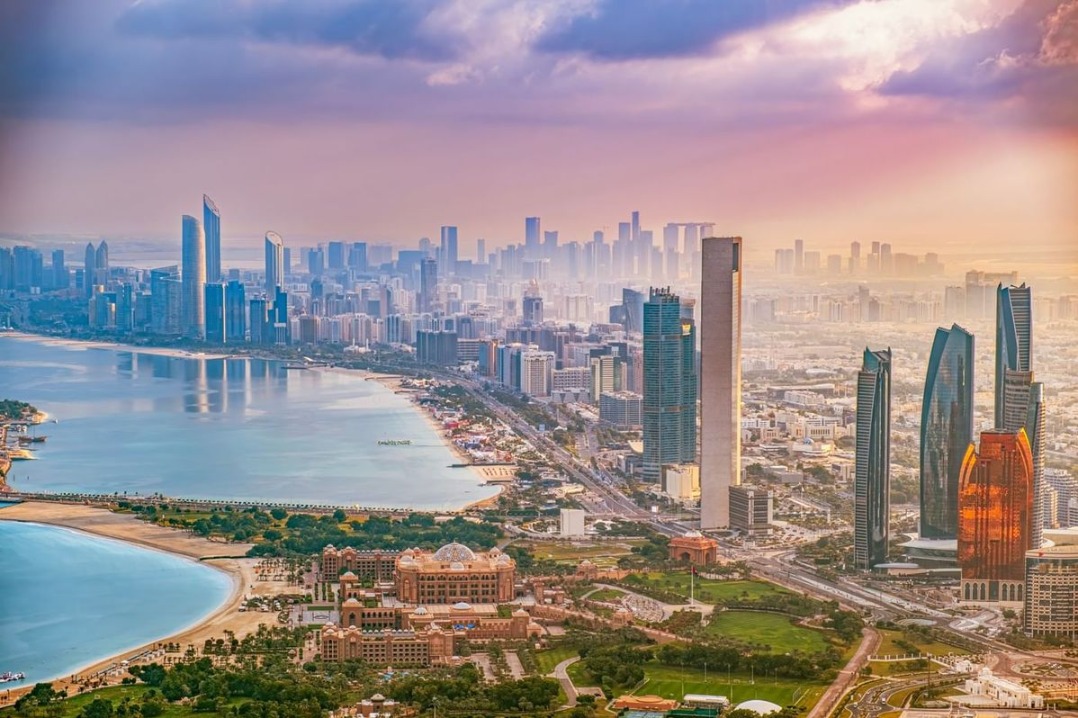
The Department of Culture and Tourism – Abu Dhabi (DCT Abu Dhabi) has announced landmark, all-time high performance across its culture and tourism sectors in 2025, capping a year of double-digit growth that solidifies the emirate’s standing as a top-tier global cultural and travel destination. DCT Abu Dhabi’s 2025 annual report, released April 8, 2026, confirms the emirate drew 26.6 million total visitors last year, a milestone that underscores its expanding international pull and progress toward long-term, sustainable economic growth driven by cultural tourism.
Across key performance indicators, every core segment posted strong year-on-year gains. Hotel revenue surged 19.5% to hit 9.1 billion AED, while attendance at cultural and leisure events rose 20% to 4.2 million, and the number of MICE (Meetings, Incentives, Conferences, and Exhibitions) delegates jumped 40% to 2.2 million. The emirate’s cultural attractions and libraries anchored this growth, welcoming more than 8.6 million total visitors throughout the year, with the historic Qasr Al Hosn site recording a 22% annual increase in foot traffic.
“With a strong foundation of cultural engagement and robust tourism performance, Abu Dhabi continues to grow as a world-leading destination that offers exceptional experiences,” said Saood Abdulaziz Al Hosani, Undersecretary of DCT Abu Dhabi. “Landmark attractions and the continued expansion of Saadiyat Cultural District have strengthened Abu Dhabi’s global distinctiveness, while strong hotel performance reinforces long-term sustainable economic impact. Our double-digit growth in 2025 reflects the clarity of our vision and the collective efforts of the wider tourism ecosystem. This performance underscores the strength of Abu Dhabi’s culture and tourism fundamentals and our ability to adapt, innovate and grow sustainably.”
International arrivals to the emirate rose 10% year-over-year, reaching 5.9 million hotel guests, with India leading key source markets with a dramatic 22% surge in visitor volumes compared to 2024. Gains were driven by expanded air connectivity, including three new IndiGo routes and one new Air India Express route connecting India to Abu Dhabi. By the end of 2025, India accounted for 13% of all hotel guests, totaling 436,124 visitors. Other top source markets included Russia (257,200 guests), the United Kingdom (250,906 guests), China (248,494 guests), and Saudi Arabia (200,652 guests). Chinese visitor stays saw a notable 13% annual increase, outpacing growth in many other markets.
The 2025 event calendar delivered a record 252 cultural and leisure offerings across the emirate, headlined by the multi-region MOTN Festival that drew more than 252,000 attendees. Other high-demand major events included Coldplay’s four sold-out shows at Zayed Sports City, which welcomed 193,470 concertgoers, the Abu Dhabi T10 cricket tournament with roughly 100,000 attendees, and Liwa Village, the centerpiece of the Liwa International Festival, that hosted more than 159,000 guests. Popular heritage-focused festivals including the Al Hosn Festival, Traditional Handicrafts Festival and Maritime Heritage Festival collectively drew more than 608,000 local and international visitors.
The MICE sector outpaced even leisure growth, with total events climbing 37% to 6,600 and delegate numbers rising 40% to 2.2 million. Large-scale industry gatherings such as IDEX/NAVDEX, Make it in the Emirates, Abu Dhabi Sustainability Week, and the inaugural Bridge Summit were the primary growth drivers, with the Abu Dhabi Convention and Exhibition Bureau’s Advantage Abu Dhabi programme supporting 175 events that attracted 464,000 delegates, a 28% annual increase.
Cultural development remained at the core of Abu Dhabi’s 2025 growth strategy, with major institutional milestones expanding the emirate’s global cultural footprint. The Louvre Abu Dhabi retained its status as one of the emirate’s most visited cultural sites, welcoming 1.4 million guests in 2025, while Qasr Al Hosn posted 22% growth to host more than 843,000 visitors. DCT Abu Dhabi also activated more than 20 cultural sites and libraries across Abu Dhabi’s three regions in 2025, growing the emirate’s diverse network of museums, historic landmarks, archaeological sites, and art centres. Key milestone openings and reopenings included the Al Maqta’a Museum, Al Ain Museum, the new Natural History Museum Abu Dhabi, and the Zayed National Museum, the UAE’s national cultural institution that tells the story of the nation’s land and people. A total of 115 public and visitor programmes spanning heritage, performing arts, education, youth and family engagement reinforced culture’s role as both a tourism draw and a community anchor.
On the accommodation side, Abu Dhabi welcomed 5.9 million hotel guests (a 2.2% annual increase) plus an additional 338,000 guests across holiday homes and glamping sites. Overall hotel occupancy rose three percentage points to 81%, while the Average Daily Rate (ADR) climbed 19% and Revenue Per Available Room (RevPAR) jumped 23%, translating to the 19.5% annual growth in total hotel revenue. The average length of stay across all accommodation types hit 2.9 nights, a 3% annual increase, with visitors from Russia, the UK, Germany, and Italy recording the longest average stays, at 4.3, 4.2, 4.1, and 3.4 nights respectively. Globally, inbound air seat capacity to Abu Dhabi rose 11% for the year, while load factor improved two percentage points to 89%, reflecting strong demand that has kept pace with expanded travel access.
Regional growth also accelerated across the emirate’s less urbanized areas. Al Ain Region welcomed 473,100 guests, a 9% annual increase, with hotel occupancy rising 9 percentage points driven primarily by leisure travel. Al Dhafra Region hosted 147,900 guests, a 3% increase, while hotel occupancy surged 19 percentage points, also fueled by leisure tourism. A dedicated regional growth strategy for Al Dhafra is scheduled for launch in 2026.
DCT Abu Dhabi’s 2025 results put the emirate firmly on track to meet the goals of Tourism Strategy 2030, the ambitious long-term blueprint that has guided a new era of strategic expansion and sustainable development for Abu Dhabi’s travel and cultural sectors.