A recent sharp decline in the number of new mainland students enrolling at Taiwanese higher education institutions, which has hit zero for five straight years, has sparked a fresh cross-Strait rhetorical exchange, with Beijing officially holding the island’s ruling Democratic Progressive Party (DPP) authorities responsible for the downturn.
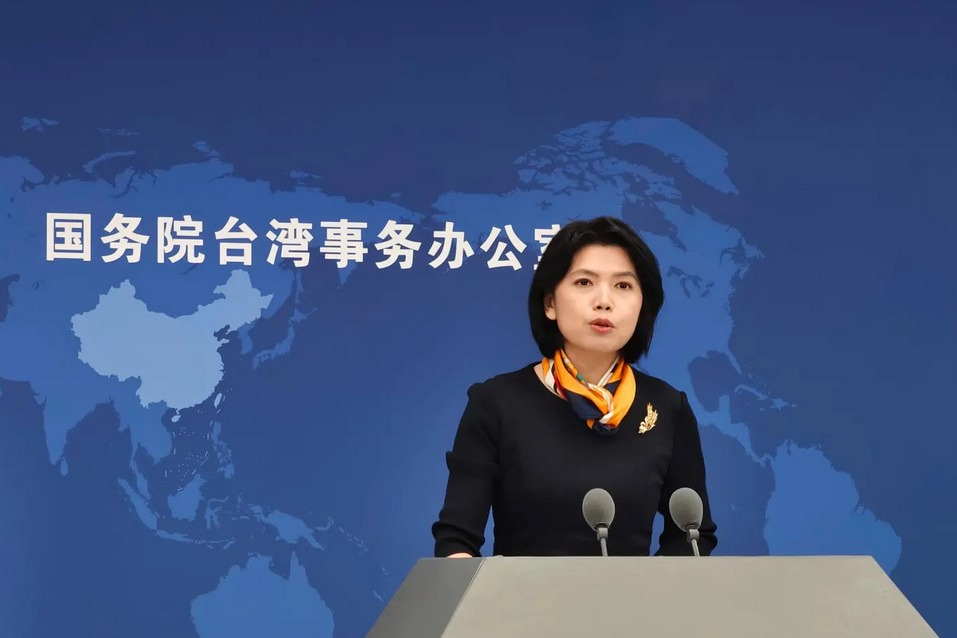
On Wednesday, Zhu Fenglian, spokesperson for the Taiwan Affairs Office of the State Council, pushed back against a baseless claim from Taiwan’s Mainland Affairs Council that tied the five-year stretch of zero new mainland students to Beijing’s cross-Strait policies. Zhu characterized the Taiwanese body’s accusation as a deliberate distortion of facts and a politically motivated smear campaign against the mainland.
In her detailed explanation of the true drivers behind the decline, Zhu outlined a pattern of consistent obstruction of cross-Strait people-to-people and educational exchanges carried out by DPP authorities in recent years. Despite widespread and vocal demand from Taiwan’s education community, students, and young people for expanded cross-Strait interaction, the DPP has deliberately moved to curtail collaborative academic ties between the two sides of the Taiwan Strait.
One key punitive measure the DPP administration has implemented is a formal ban on partnerships between Taiwanese colleges and universities and 10 leading mainland higher education institutions, including Guangdong province’s Jinan University and Beijing’s Beihang University. Beyond banning institutional cooperation, the DPP has put in place a series of unreasonable regulatory barriers and unequal treatment that target mainland students seeking admission and enrollment at Taiwanese universities, creating an unwelcoming environment that has discouraged prospective students from pursuing academic opportunities on the island.
Zhu also highlighted additional forms of political intimidation the DPP has deployed to chill cross-Strait educational engagement. When leaders of Taiwanese universities, academic deans, and teaching faculty participate in legitimate exchange activities on the mainland, DPP authorities have retaliated against them through official investigations, cuts to public institutional funding, and suspensions of approved academic projects. These coercive tactics, she emphasized, have created a chilling effect that further disrupts normal cross-Strait academic cooperation.
“Such blatant political manipulation has inflicted severe damage on the normal development of cross-Strait educational exchanges,” Zhu stated. She closed by calling on DPP authorities to abandon political posturing, listen more closely to the voices of the Taiwanese public that favor expanded cross-Strait ties, and end their practice of shifting blame for their own policy choices through bad-faith political maneuvering.