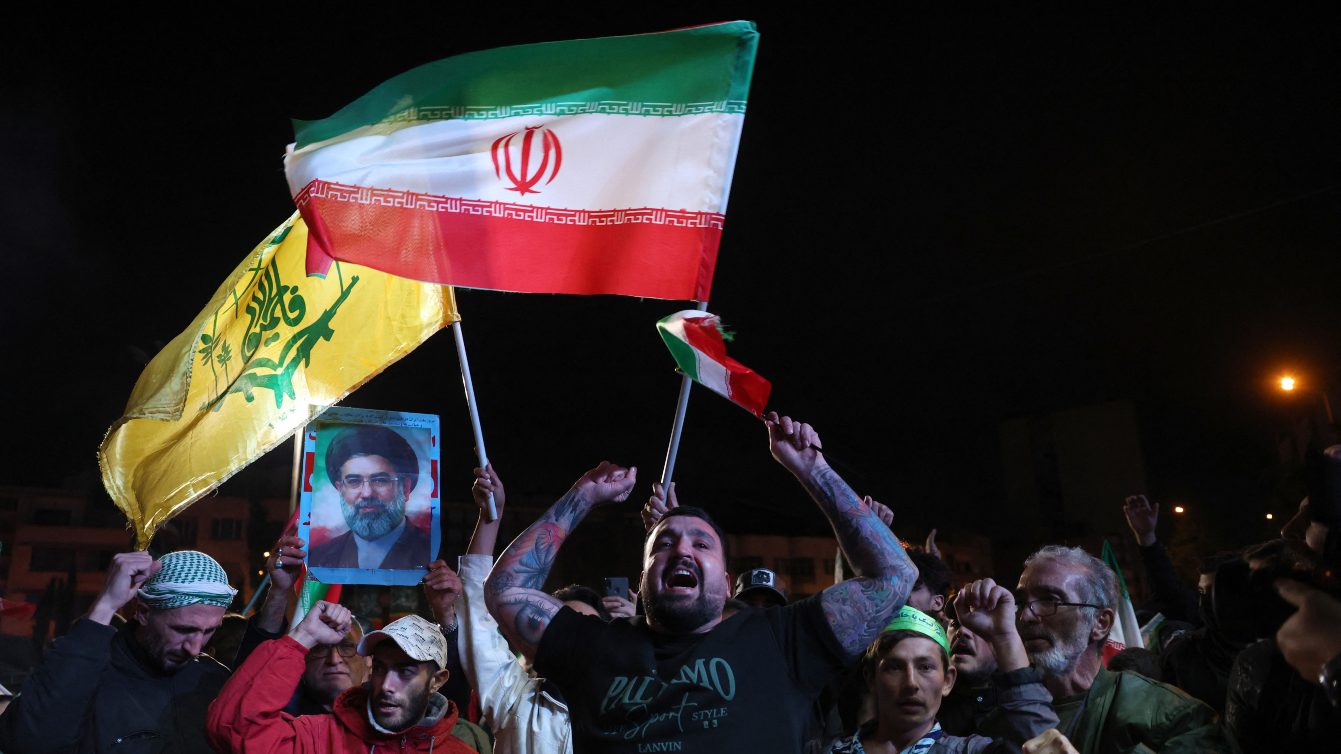
After 40 days of open conflict that ignited when US and Israeli forces launched strikes on Iranian targets, triggering cross-regional retaliatory missile and drone attacks that pushed the Middle East to the brink of full-scale war, a two-week ceasefire has entered into force, opening a fragile diplomatic window to de-escalate tensions. The outbreak of fighting severely disrupted commercial shipping through the Strait of Hormuz, the world’s most critical chokepoint for global energy supplies, stoking widespread international alarm over the risk of a broader regional conflict that could send shockwaves through the global economy.
The ceasefire agreement, announced by former US President Donald Trump, was brokered through extensive mediation led by the government of Pakistan, and it is conditional on the full reopening of the Strait of Hormuz to commercial traffic, with formal negotiations set to kick off in Islamabad in the coming days. Both Washington and Tehran have claimed victory from the period of open conflict: US officials assert that American forces achieved all core military objectives set out at the start of hostilities, while Iranian authorities frame the ceasefire as a triumph that forced the United States to agree to negotiate based on Tehran’s pre-set 10-point framework of demands.
Key agenda items for the upcoming talks include rules governing maritime transit through the Strait of Hormuz, full relief for Iran from international and US sanctions, and a negotiated settlement over the future presence of US combat forces across the Middle East. Iranian officials have stressed that the opening of negotiations does not mark a permanent end to hostilities, while their US counterparts have described the diplomatic process as a rare opportunity to forge a broader, long-term stability agreement. Most independent observers characterize the ceasefire as a temporary pause to de-escalate, rather than a durable resolution, with the final outcome of talks remaining deeply uncertain.
In a full official statement released by Iran’s Supreme National Security Council, Tehran framed the ceasefire as an undeniable, historic defeat for US and Israeli aggression. The statement credits what it calls the strategic prudence of Iran’s supreme leadership, the bravery of Iranian and Axis of Resistance fighters across the region, and the unified mass support of the Iranian people for forcing the US to accept Tehran’s 10-point terms as a basis for negotiations. The core demands laid out in the Iranian framework include a binding US commitment to refrain from future aggression against Iran, permanent recognition of Iran’s full sovereignty over the Strait of Hormuz, international recognition of Iran’s right to nuclear enrichment, full lifting of all primary and secondary sanctions on Iran, termination of all hostile UN Security Council and International Atomic Energy Agency Board of Governors resolutions against the country, full compensation for damages Iran has sustained from decades of US hostilities, complete withdrawal of all US combat forces from the Middle East region, and an end to all US support for military campaigns against the Axis of Resistance, including Hezbollah in Lebanon.
The statement notes that from the opening hours of the conflict, US and Israeli leadership held wildly optimistic assumptions that a rapid military campaign would force Iran into full surrender, partition the country, and seize its natural energy resources. These plans failed entirely, the statement argues, due to coordinated defensive and offensive operations by Iran and its resistance allies that inflicted irreversible damage to US military infrastructure across the region, weakened the Israeli military’s position in occupied territories, and exposed the inability of the US-led coalition to achieve core war aims within the first 10 days of fighting.
According to the Iranian official statement, the United States began reaching out through quiet diplomatic channels to request a ceasefire shortly after that, but Tehran rejected all initial appeals until all of its core preconditions were formally accepted. Tehran also notes that it has repeatedly rejected arbitrary deadlines set by the US, emphasizing that it places no value on timelines imposed by hostile powers. The ceasefire and negotiation process were approved by Iran’s Supreme National Security Council and supreme leadership after the US formally accepted all 10 of Iran’s core principles via Pakistani mediation, with talks set to open in Islamabad on April 10 and allocated a two-week window that can be extended by mutual consent.
The statement stresses that the opening of negotiations does not mean an end to the conflict, and that hostilities will resume if the US fails to follow through on its commitments to finalize the agreement in line with Iran’s 10-point framework. It calls for full national unity across all Iranian political groups and civil society during the negotiation period, noting that the process is an extension of the battlefield fought under the supervision of Iran’s highest leadership. The statement concludes by warning that Iran remains fully militarily prepared to resume hostilities immediately if the US makes any concession or violates the agreed terms, while celebrating what it calls a historic turning point that has established Iranian regional dominance as the basis for any future security order in the Middle East.