Australia’s road freight sector is on the brink of widespread collapse, with industry groups and thousands of independent operators calling for urgent regulatory intervention at a landmark emergency hearing scheduled to open Wednesday morning at the Fair Work Commission in Sydney. The hearing comes after the federal government passed the Fairer Fuel bill earlier this year, a legislative change designed to fast-track emergency regulatory applications for the struggling road transport industry, creating a pathway for stakeholders to address the crippling impact of skyrocketing fuel costs.
Key industry stakeholders including the Transport Workers’ Union (TWU), the Australian Road Transport Industrial Organisation (ARTIO), the National Road Freighters Association, and directly affected owner-drivers will testify before the commission on Wednesday about the unprecedented financial pressure currently squeezing the sector. Operators warn that without immediate action to address unmanaged fuel cost inflation, hundreds of small and medium trucking businesses will shut down permanently within weeks, triggering cascading disruptions to Australia’s entire national supply chain.
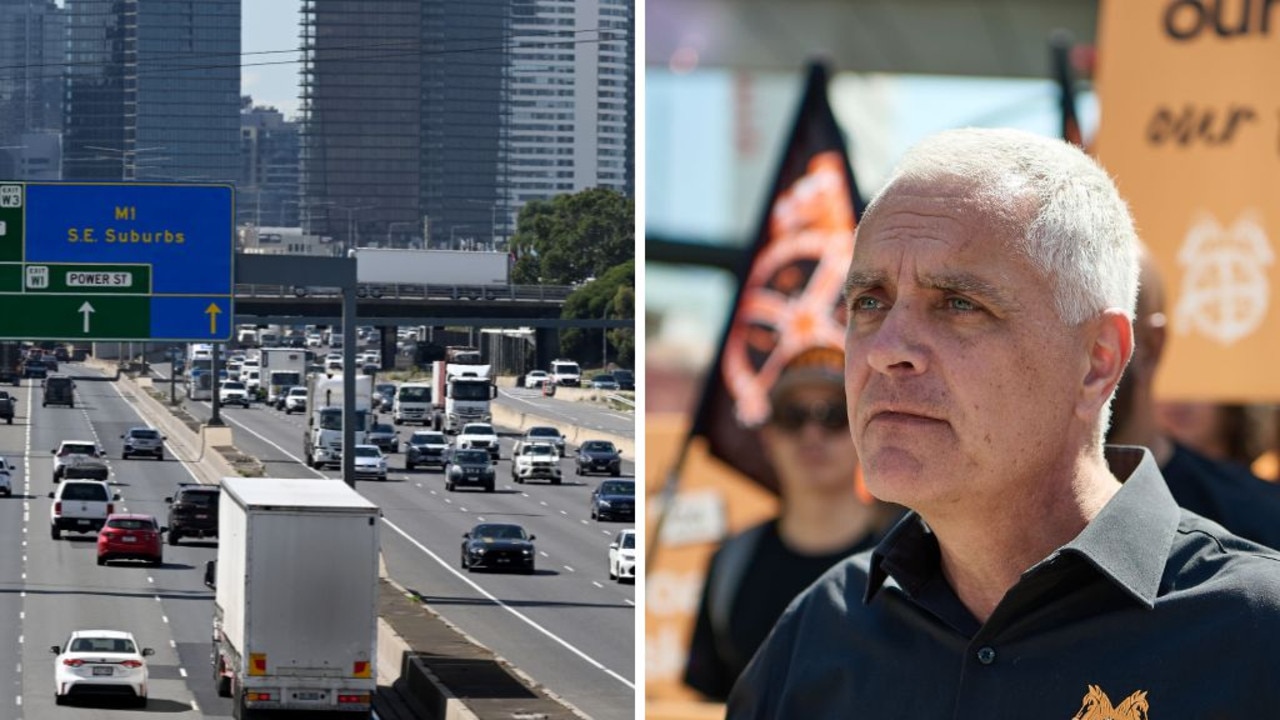
TWU National Secretary Michael Kaine said that even veteran drivers with decades of experience in the industry have never faced conditions this severe. He emphasized that the burden of rising fuel costs is currently falling entirely on the frontline of the sector, while large corporate clients at the top of the supply chain – including major retailers, manufacturing firms and mining giants – have already passed higher costs on to end consumers without passing relief down to drivers and small operators. “Drivers who’ve been in this industry for decades have never seen it this hard. It is critical that we see fuel costs paid for by the top of the supply chain; the retailers, manufacturers and mining giants that are already increasing costs for customers, while truck drivers and businesses are struggling to hold on,” Kaine said.
The emergency application brought before the commission calls on large transport clients to implement weekly fuel price reviews aligned with data published by the Australian Institute of Petroleum, and to ensure that fluctuations in fuel costs are fully passed through the supply chain to prevent frontline operators from absorbing unsustainable expenses. Industry leaders project that by April 21, many operators will see their annual fuel bills jump tens of thousands of dollars above pre-crisis levels, a gap that most small businesses cannot cover.
ARTIO National Secretary Peter Anderson confirmed that the crisis is already causing business failures across the country, with both small family-owned operations and larger transport firms at risk of collapse imminently. “We urgently need to see clients putting in place weekly fuel reviews to keep national supply chains running sustainably, and businesses in operation,” Anderson said. Stakeholders have also drawn a link between the financial crisis and road safety, noting that 45 people have already died in truck crashes across Australia this year – including 14 truck drivers – while transport company liquidations have surged 48% compared with the same period last year. Wednesday’s hearing is expected to lay out both the human and economic toll of the ongoing fuel crisis, as operators push for immediate regulatory intervention to head off a wave of permanent closures that would impact every sector of the Australian economy.