Escalating geopolitical tensions between the United States and Iran have reached a new critical juncture, as top Iranian officials have issued a stark warning that they could disrupt global energy supplies by closing a second key international oil chokepoint if the Trump administration follows through on threats to target Iranian civilian infrastructure. The warning comes after former U.S. President Donald Trump openly threatened to bomb Iranian power plants, a move that international legal experts widely characterize as a violation of the laws of war and a potential war crime.
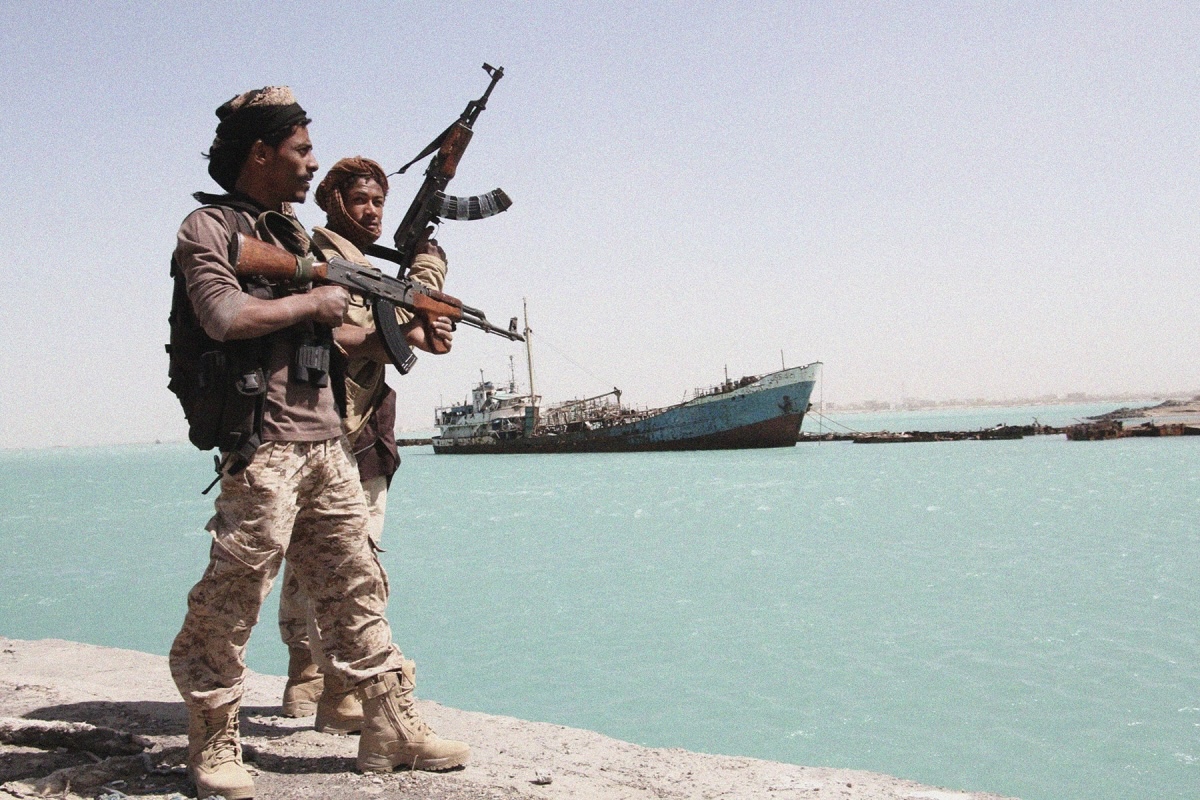
Ali Akbar Velayati, a former Iranian foreign minister and currently a senior advisor to Iran’s Supreme Leader Ayatollah Ali Khamenei, announced the potential retaliatory measure in a social media post published over the weekend. Velayati threatened that Iran could move to close the Strait of Bab al-Mandeb, a strategically critical waterway located off the coast of Yemen, where the Iran-aligned Houthi movement holds effective control over the adjacent coastline. “If the White House dares to repeat its foolish mistakes,” Velayati cautioned, “it will soon realize that the flow of global energy and trade can be disrupted with a single move.”
As Al Jazeera highlighted in an analysis published on Monday, the Houthi movement already closed the Bab al-Mandeb Strait for a period during Israel’s ongoing military campaign in Gaza, demonstrating the feasibility of such a disruption. If Iran moves to close the Strait of Hormuz — the world’s most important oil chokepoint through which roughly a fifth of global oil supplies pass — at the same time that the Bab al-Mandeb is shut down, the combined disruption could send global energy prices soaring to uncharted highs, the outlet reported.
“The strait is a vital route through which Saudi Arabia sends its oil to Asia,” Al Jazeera explained. “If Bab al-Mandeb and the Strait of Hormuz were both shut, that would block 25% … of the world’s oil and gas supply.”
Energy markets have already seen steep price increases following the launch of new U.S. military hostilities against Iran more than a month ago, a conflict that critics have repeatedly deemed illegal under international law. As of Monday’s trading session, Brent crude oil futures were holding at $110 per barrel, while average U.S. retail gasoline prices climbed to $4.12 per gallon, according to data from motoring group AAA.
Last week, Democratic members of the U.S. Congress’ Joint Economic Committee (JEC) released a formal analysis estimating that American consumers are now paying 35% more to refuel their vehicles than they did just one month prior, with the entire increase directly tied to the escalation of conflict with Iran.
Rep. Don Beyer, a Virginia Democrat and member of the JEC, highlighted the committee’s findings in a Monday social media post, blaming the Trump administration’s unplanned, unauthorized military escalation for the financial strain hitting American households. “Americans are getting hit with major price shocks because President Trump decided to wage an illegal war against Iran with no plan or strategy,” Beyer said.
Sen. Maggie Hassan, a New Hampshire Democrat and the ranking member of the JEC, told local outlet WMUR that the conflict has exacerbated pre-existing financial pressures that were already pushing working- and middle-class American families to the breaking point. “Families are already being pushed to the brink,” Hassan said. “That was true before the war started, by the cost of everything from groceries to rent to healthcare insurance premiums and prescriptions and even more. But now they’re being forced to pay more at the pump.”