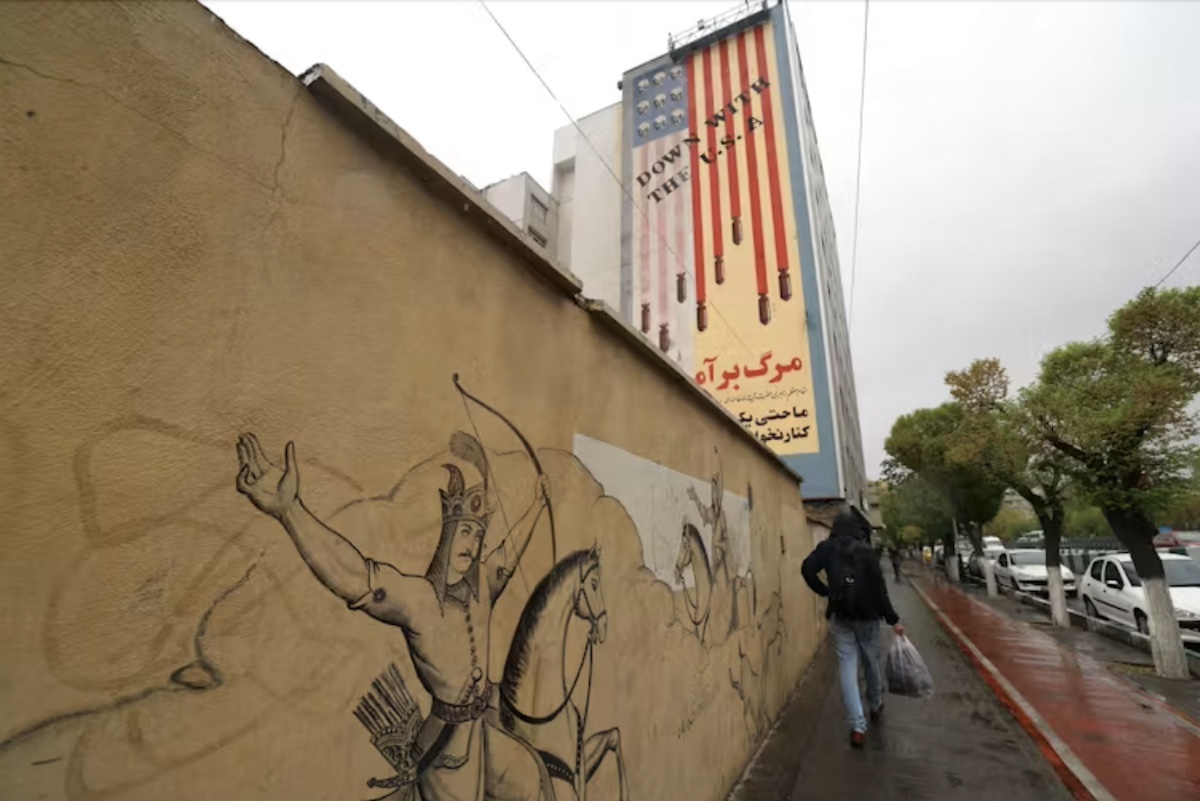
Tensions between the United States and Iran have reached a boiling point in 2026, with open military conflict erupting after decades of escalating hostility, covert interference, and broken diplomatic opportunities. What began as a 1953 CIA-backed coup to oust a democratically elected leader has evolved into one of the world’s most volatile geopolitical standoffs, with global energy supplies and regional security hanging in the balance.
The foundational rift between the two nations dates back to the early 1950s, when Iranian prime minister Mohammed Mossadegh moved to nationalize the Anglo-Iranian Oil Company, redirecting fossil fuel profits away from foreign corporate control and toward domestic public investment. Fearing Soviet influence would spread across the Middle East and disrupt global oil flows, the U.S. joined the United Kingdom in launching Operation Ajax, a covert operation that toppled Mossadegh and installed a pro-Western government under the autocratic Shah Mohammad Reza Pahlavi. For the next 25 years, the U.S. backed the Shah’s repressive rule, with his secret police force SAVAK violently crushing domestic dissent while many Iranians struggled in poverty amid the Shah’s corruption and lavish spending.
The 1979 Iranian Revolution shattered this fragile status quo. After the Shah fled Iran for cancer treatment, exiled Shiite leader Ayatollah Ruhollah Khomeini returned to overthrow the monarchy and establish the current Islamic Republic. When U.S. President Jimmy Carter allowed the Shah to enter the U.S. for specialized medical care that same year, enraged Iranian students stormed the U.S. Embassy in Tehran, holding 52 American hostages for 444 days. The crisis led to the permanent severing of formal diplomatic ties between the two nations and set the stage for decades of open hostility.
Over the following decades, repeated clashes and mutual accusations deepened the divide. In 1980, Iraqi leader Saddam Hussein invaded Iran, launching an eight-year war that killed more than 600,000 people; the U.S. tacitly backed Hussein, turning a blind eye to Iraq’s use of illegal chemical weapons against Iranian forces to counter the newly formed anti-American Islamic regime. By 1984, Washington officially designated Iran a state sponsor of terrorism, imposing a strict arms embargo that led to a secret scandal just years later: the Reagan administration was found to have illegally sold weapons to Iran to fund anti-socialist Contra rebels in Nicaragua, a controversy that rocked the Reagan presidency. In 1988, a U.S. Navy warplane shot down an Iranian civilian passenger jet, Iran Air Flight 655, killing all 290 people on board. While the U.S. called it an accidental error, Iran viewed the incident as deliberate aggression, and tensions remained high.
Over the next three decades, tentative overtures for reconciliation repeatedly fell apart. A brief opening emerged in 1997, when moderate Iranian president Mohammad Khatami expressed respect for the American people and called for people-to-people exchanges, but hardline opposition from Iran’s supreme leadership blocked formal progress. Just five years later, President George W. Bush labeled Iran part of an “Axis of Evil” alongside Iraq and North Korea, ending any immediate hopes of detente. In 2002, an exiled opposition group revealed Iran had been operating secret nuclear facilities in violation of the Nuclear Non-Proliferation Treaty, sparking global alarm; over the following years, the U.S. and Israel launched the Stuxnet cyberattack to disrupt Iran’s uranium enrichment program, slowing its nuclear progress. A 2003 Iranian offer for comprehensive talks on nuclear issues, terrorism, and regional stability was rejected by hardliners in the Bush administration, and the opportunity for reconciliation faded when hardliner Mahmoud Ahmadinejad was elected Iranian president two years later.
The most significant breakthrough came in 2015, when the Obama administration negotiated the Joint Comprehensive Plan of Action (JCPOA), widely known as the Iran nuclear deal, alongside China, France, Germany, Russia, and the United Kingdom. Under the agreement, Iran drastically limited its uranium enrichment program and allowed unfettered international inspections in exchange for relief from crippling economic sanctions. For three years, international inspectors repeatedly confirmed Iran was complying with the deal’s terms, but President Donald Trump withdrew the U.S. from the agreement in 2018, reimposing harsh sanctions and escalating tensions once again.
Tensions boiled over in 2020, when a U.S. drone strike killed top Iranian general Qassem Soleimani, the second most powerful figure in Iran’s government, leading Iran to launch ballistic missile strikes on U.S. bases in Iraq. After the 2023 Hamas attacks on Israel worsened regional tensions, Trump’s second presidential term in 2025 opened with new nuclear negotiations, but Israeli airstrikes on Iran derailed talks, leading the U.S. to launch its own strikes on Iranian nuclear sites in June 2025. By early 2026, what had been decades of covert and low-intensity conflict erupted into open war: U.S. and Israeli airstrikes in Operation Epic Fury killed Iran’s supreme leader Ali Khamenei and other senior leaders, prompting Iran to strike targets across the Persian Gulf and disrupt shipping through the critical Strait of Hormuz, turning a decades-long bilateral rivalry into a full-scale regional conflict.