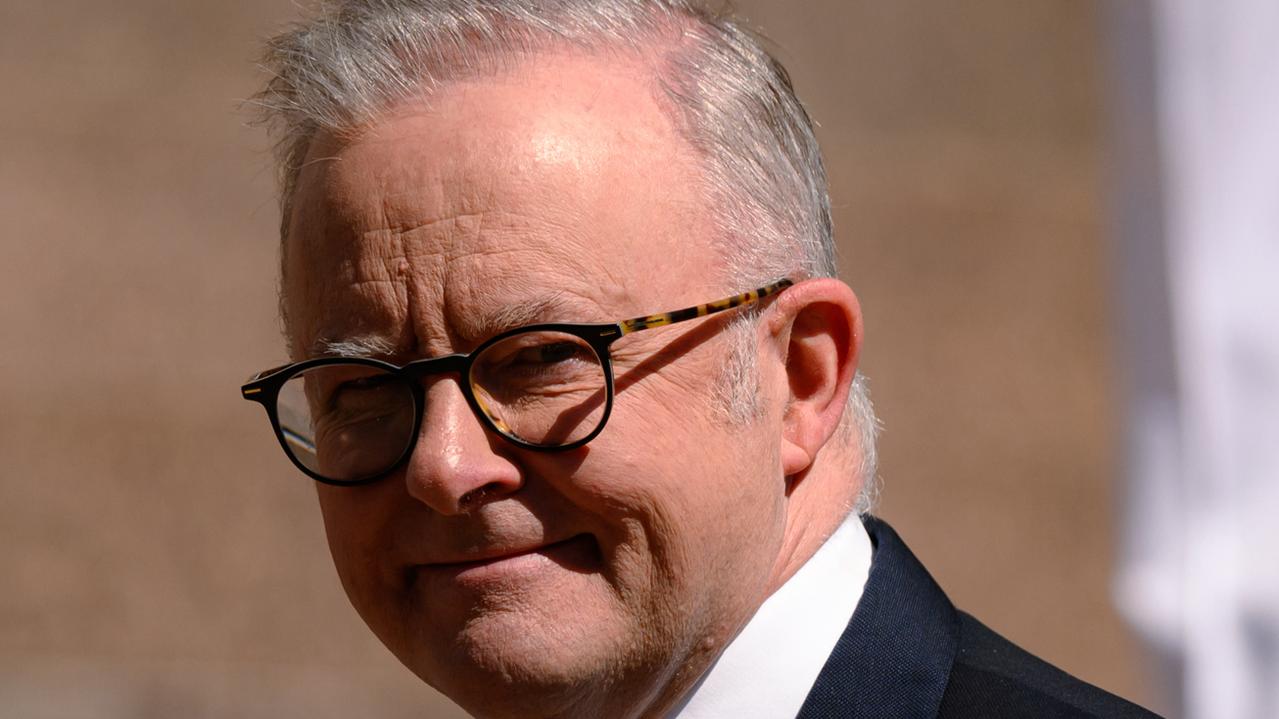
Australia’s Prime Minister Anthony Albanese has scrapped his long-awaited first Anzac Day trip to the Gallipoli battlefields in Turkey, a journey that would have marked his first attendance at the transnational commemoration since he took office, amid rapidly escalating military tensions across the Middle East following the U.S.-Israeli attack on Iran. The cancellation was confirmed by Albanese himself during parliamentary question time on Wednesday, in response to a query from Deputy Opposition Leader Andrew Hastie. Though the prime minister had never formally announced the April 25 travel plans publicly, he acknowledged to the chamber that the proposal had been abandoned explicitly due to current travel conditions in Turkey. Albanese framed the decision as a responsible act of priority-setting, noting he is instead focusing on urgent ongoing matters, including active diplomatic engagement with Australia’s regional partners at a time of global instability. Hastie, who has been publicly critical of the Labor government’s response to the unfolding Iran conflict, used the question to also raise concerns over unconfirmed reports that multiple Australian government ministers have scrapped other scheduled April travel and events, and pressed the prime minister on whether the government has received official advice about delayed or canceled fuel cargo shipments bound for Australia. This cancellation breaks a pattern Albanese has maintained since taking office: he has opted to stay in Australia for Anzac Day commemorations in 2023 and 2025, and traveled to Papua New Guinea for the 2024 services, never having attended the Gallipoli Anzac Day events as prime minister before this planned trip. The prime minister’s choice comes at a moment of deep uncertainty over the trajectory of the Middle East conflict. After the joint U.S.-Israeli surprise military strike on Iran launched on February 28, which has killed more than 2,500 people across Iran, Lebanon and other regional territories, the outcome of the conflict remains far from clear. U.S. President Donald Trump has publicly suggested the conflict will wrap up within a matter of weeks, but on the ground, Israeli forces have expanded their ground invasion into Lebanon, and the country has for the first time come under direct attack from the Iran-aligned Houthi movement based in Yemen, further raising the risk of the conflict spreading across the wider Middle East.