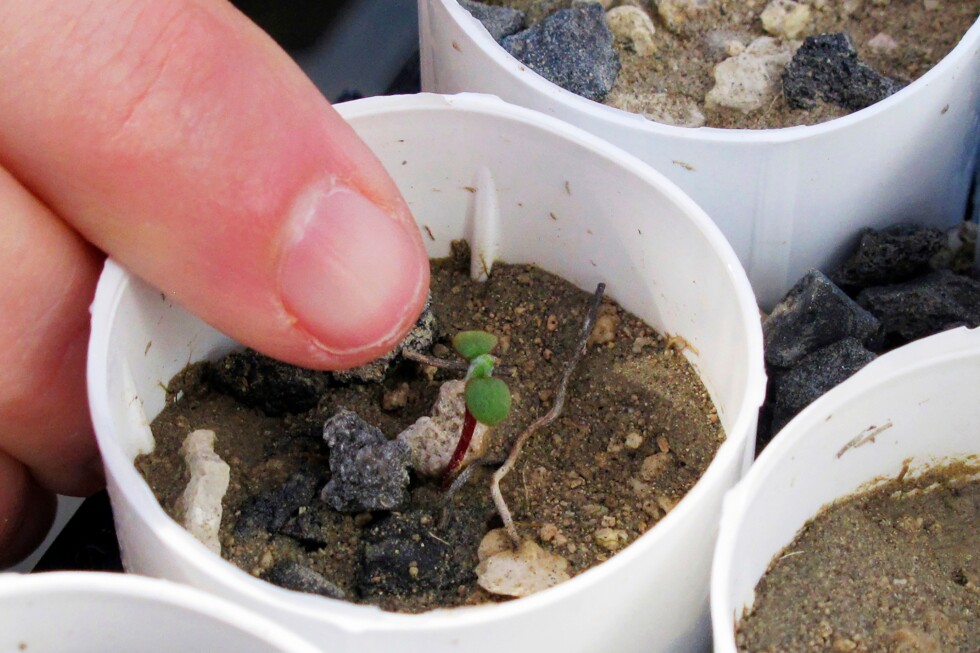
In a landmark ruling that has split opinions on clean energy development and endangered species protection, a Nevada-based federal judge has rejected a legal challenge from environmental groups seeking to halt construction of the Rhyolite Ridge Lithium/Boron Project, a mine that conservationists warn threatens the survival of the only existing population of rare Tiehm’s buckwheat wildflower.
The 11-square-mile Rhyolite Ridge development, located in Esmeralda County between Reno and Las Vegas, is led by Australian mining firm Ioneer. The site hosts the world’s largest known deposit of lithium and boron outside of Turkey, positioning it as a key component of U.S. plans to build a domestic supply chain for critical minerals. The project would be only the third lithium mine in Nevada and one of the rare operations that processes extracted minerals on-site, a capability that significantly reduces reliance on overseas processing. Lithium is a non-substitutable core input for electric vehicle (EV) batteries, making the project a high-priority asset for the United States’ clean energy transition.
On Friday, U.S. District Judge Cristina Silva, a nominee of the Biden administration, ruled that the federal government followed proper procedure in approving the development and conducted a rigorous, legally sufficient assessment of the project’s impact on the rare wildflower. Tiehm’s buckwheat grows exclusively across just 10 acres within the mine’s project boundary. The judge found Ioneer’s proposed mitigation measures—including fenced protection for the wildflower’s habitat and dedicated buffer zones separating mining activity from the plant’s range—meet the standards required under the Endangered Species Act. Silva noted that only 4.9% of the species’ designated 1.4-square-mile critical habitat would be lost to project development.
Despite the ruling, the Center for Biological Diversity, the lead conservation group behind the lawsuit, has pledged to continue its fight. The organization secured federal endangered species status for Tiehm’s buckwheat in 2022, and leaders confirm they are actively preparing an appeal to the Ninth Circuit Court of Appeals. Patrick Donnelly, Great Basin Director for the Center for Biological Diversity, argues the case carries far-reaching implications for all protected species and habitats across the country under the Endangered Species Act.
Donnelly warned that erosion of protections for this small wildflower sets a dangerous precedent for future rollbacks of endangered species safeguards. Standing just a few inches tall, Tiehm’s buckwheat is found only in the Silver Peak Range, where its 10-acre range is roughly the size of seven American football fields. Every spring, the plant blooms with bright yellow pom-pom-shaped flowers that form the center of a unique, localized pollinator ecosystem. Donnelly says incremental habitat losses have already brought the species to the brink, and mine development would deliver a fatal “death blow,” increasing extinction risk and damaging regional biodiversity. He also cast doubt on the effectiveness of Ioneer’s proposed fencing, arguing the measure cannot fully protect the wildflower from mining-related disruption.
For the project’s backers, the ruling represents a critical legal victory that paves the way for advancing a development they say will deliver wide-ranging economic and national security benefits. Rowe, Ioneer’s Managing Director, says the $2 billion mine would operate for more than 77 years and produce enough lithium carbonate annually to supply roughly 400,000 electric vehicles. Alongside lithium, the mine will produce boric acid, a material used in pest control, flame retardants, and a range of medical and personal care products. In a formal statement, Ioneer Vice President of Corporate Development and External Affairs Chad Yeftich emphasized the project will create hundreds of domestic manufacturing jobs, cut U.S. dependence on foreign mineral imports and processing, and establish a reliable domestic supply of two strategically critical minerals.
The project has drawn bipartisan support from recent U.S. administrations, aligned with goals to expand domestic critical mineral production. Rhyolite Ridge first received federal approval during the Biden administration as part of the president’s clean energy transition agenda, while the Trump administration also publicly backed lithium development in Nevada as a strategy to strengthen domestic critical mineral manufacturing. In January 2025, the U.S. Department of Energy finalized a nearly $1 billion loan to support the project. Ioneer still aims to break ground by the end of 2025, with commercial production on track to launch in 2029, though the firm is still seeking a new financial partner after major backer Sibanye Stillwater withdrew from the project last year, citing unfavorable financial projections. The U.S. Interior Department declined to provide comment on the recent ruling.