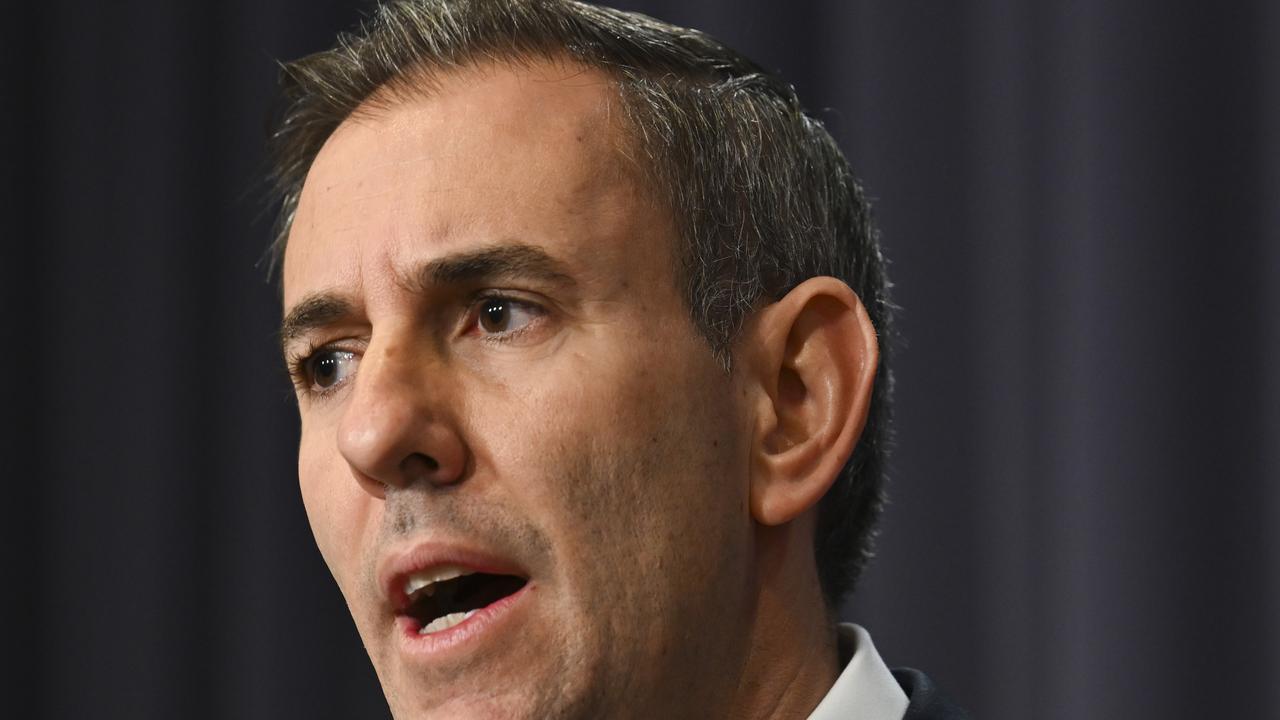
As Australian households grapple with persistent cost-of-living pressures amplified by global market volatility tied to the Middle East conflict, Federal Treasurer Jim Chalmers has issued a clear call for state and territory governments to deliver on the national cabinet agreements they signed, putting behind ongoing disagreements over goods and services tax (GST) revenue sharing.
The latest push for coordinated relief comes out of a recent national cabinet gathering held this week, where sub-national leaders reached two key consensus points. First, they committed not to pocket unexpected GST windfalls generated by higher fuel prices across the country. Second, they agreed to roll out targeted measures to ease household cost burdens. Already, two jurisdictions have moved forward: the Labor-led Victorian government and Liberal-governed Tasmania have both launched temporary free public transport initiatives, a development Chalmers described as a positive step forward. New South Wales, however, has opted not to follow suit with the same public transport policy.
At the federal level, the Albanese government has already passed legislation to cut the fuel excise by 50 percent, though implementation of the reform is still pending. Chalmers emphasized on Wednesday that the Commonwealth has held up its end of the bargain, and now expects the same from state and territory governments. “When they signed up to this at the national cabinet, the Prime Minister did a good job making sure that the states and territories signed up to this commitment,” he told reporters. While the Treasurer said he had no intention of publicly criticizing sub-national governments, he stressed that timely action is critical to get relief into the hands of consumers as quickly as possible. “We don’t want to see this drag out forever. We don’t want to see the states and territories at war over this. We want to see the relief flow to motorists,” he added.
The current dispute traces back to the structure of Australia’s fuel pricing system: the 10 percent GST is applied to the full cost of petrol, including the federal excise. When the excise is cut, total pump prices fall, which in turn reduces total GST revenue collected for the states and territories. The national cabinet agreement requires states to return the foreseen GST windfall that would otherwise result from the lower excise back to motorists, through tax cuts or other targeted relief. Chalmers noted that the reduction in overall GST revenue from lower fuel prices is a intentional outcome of the relief policy, and urged states to reach a quick agreement on how to pass the savings to consumers, calling on them to “get their skates on” to avoid unnecessary delays.
Leaders of New South Wales, the nation’s most populous state, have acknowledged the administrative complexity of the GST arrangement. NSW Premier Chris Minns said on Tuesday that more time is needed to work through the details, but expressed confidence that a practical, common-sense solution can be found. He suggested one potential pathway would be matching the federal excise cut with a proportional state tax cut equal to the GST windfall the state receives. NSW Treasurer Daniel Mookhey added that the state government is aiming to mirror the federal government’s excise cut approach, which would deliver an additional 7 to 10 cent per liter reduction on top of the federal cuts.
This call for action comes amid already simmering tensions between states over the broader GST carve-up, which flared up again last month when the Commonwealth Grants Commission released its 2026-27 financial year GST sharing recommendations. The total national GST pool is projected to grow from roughly $97 billion to $103 billion in the coming financial year. Under a 2018 legislated GST floor designed to protect less populous states from revenue losses, Western Australia is set to gain an extra $1.3 billion compared to last year’s allocation, bringing its total share to $9.3 billion. Queensland, which has repeatedly criticized the existing sharing model, will see a larger proportional reduction in its share in 2026-27 than in the previous year, though guaranteed no-worse-off payments will offset the cut, bringing the state’s total GST revenue to $18.4 billion, an increase of $1.68 billion from 2025-26 – the largest nominal increase of any state. By contrast, NSW is only projected to gain an additional $316 million, for a total share of $26.1 billion. In response to the recommendation, Mookhey last month called on the Productivity Commission to shift to an equal per capita distribution model for GST grants, with any required top-ups funded by the federal government from outside the existing GST pool.