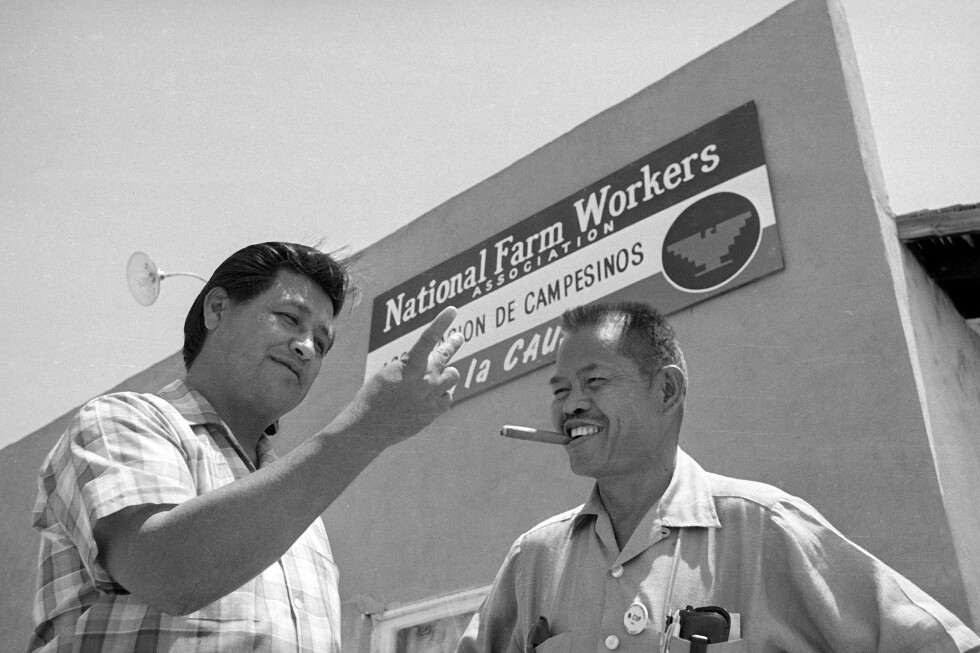
The landmark 1965 grape strike in California, a seminal moment in American labor history led by Filipino organizer Larry Itliong alongside César Chavez, is undergoing profound reassessment as new allegations surface about Chavez’s sexual misconduct. This pivotal alliance between Filipino and Mexican American farmworkers, previously celebrated in monuments and cultural productions, now faces critical examination from descendants of the original strikers.
Filipino American communities are canceling traditional César Chavez Day marches and advocating to rename the March 31 observance as Farmworkers Day—shifting focus toward the contributions of Filipino and Chicano laborers, particularly women, while acknowledging survivors of abuse. “We must center this trauma of women and sexual abuse,” emphasized Dillon Delvo of Stockton’s Little Manila Rising, highlighting the necessity of confronting difficult truths within labor movements.
The historical context reveals how Filipino immigrants became essential to U.S. agriculture following American colonial rule in the Philippines (1898-1946). Thousands of Ilocano-speaking men, respectfully called “manong” (older brother), endured discriminatory wages, substandard housing, and anti-miscegenation laws that enforced loneliness and separation from families.
By September 1965, Itliong and Philip Vera Cruz led the Agricultural Workers Organizing Committee to strike against Delano grape growers, demanding federal minimum wage. Despite Chavez’s initial hesitation, the groups merged as the United Farm Workers, ultimately securing collective bargaining agreements after a five-year struggle that transformed agricultural labor.
Current reevaluations challenge the traditional narrative that consistently attached Itliong’s legacy to Chavez. The Los Angeles Board of Supervisors recently considered rebranding the holiday and potentially moving it to September 8 to honor the Filipino strike initiation. Johnny Itliong, son of the late leader, accused Chavez of attempting to “erase the history” of the strike’s origins.
This reckoning has expanded to include recognizing women’s overlooked contributions. Productions like “Larry the Musical” intentionally minimize Chavez’s role while highlighting the women who sustained the movement. Academics like UC Berkeley’s Vernadette Gonzalez note that despite their essential work in feeding families and organizing, women’s labor remained largely uncredited in official records.
The movement now seeks to create a more comprehensive historical narrative that acknowledges both the achievements and the imperfections within labor struggles, ensuring that future commemorations properly honor all contributors while supporting survivors of abuse.