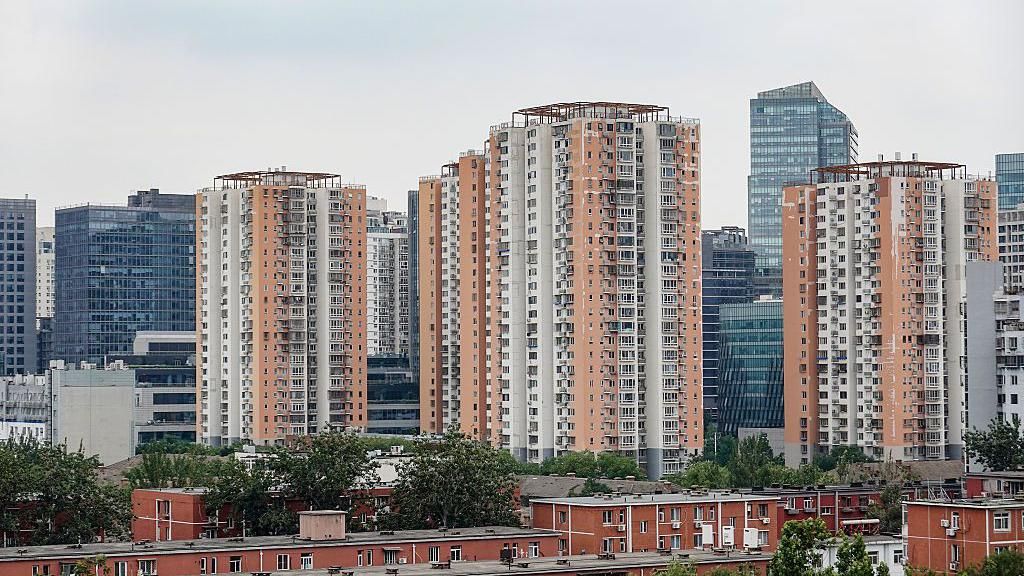
Chinese authorities have enacted legislation prohibiting the unconventional practice of storing cremated remains in residential apartments, a phenomenon known as ‘bone ash apartments.’ This trend emerged as a creative response to exorbitant cemetery costs and scarce burial space. The new law explicitly bans using residential properties ‘specifically for the placement of ashes’ and prohibits burials outside designated cemeteries or legally approved ecological burial zones.
These unique memorial spaces typically involve converting empty apartments into ritual halls where urns are displayed and ancestral shrines are established. Reports from Chinese media indicate these properties are often identifiable by perpetually closed curtains or sealed windows.
The practice gained traction due to China’s significant property market decline, with prices falling approximately 40% between 2021 and 2025, making apartment memorials more financially accessible than traditional burials. By contrast, cemetery plots in Beijing’s Changping Tianshou Cemetery range from 10,000 yuan (£1,095) for eco-friendly options to 300,000 yuan (£32,841) for standard tombstone plots, with leases requiring renewal every two decades.
The regulatory change comes just before the Qingming Festival (Tomb Sweeping Day), when families traditionally honor ancestors. Simultaneously, the State Administration for Market Regulation and Ministry of Civil Affairs announced new requirements for the funeral industry, addressing transparency issues and fraudulent practices to alleviate the financial burden on citizens. A 2020 survey by British insurance firm SunLife revealed funeral costs approaching half of China’s average annual salary, highlighting the economic pressure driving unconventional practices.
Social media reactions reflect public concern, with Weibo users questioning enforcement mechanisms and noting that affordable alternatives would naturally discourage apartment memorials. One commentator asked: ‘How will authorities distinguish between regular residences and those storing ashes?’ demonstrating implementation challenges facing the new prohibition.