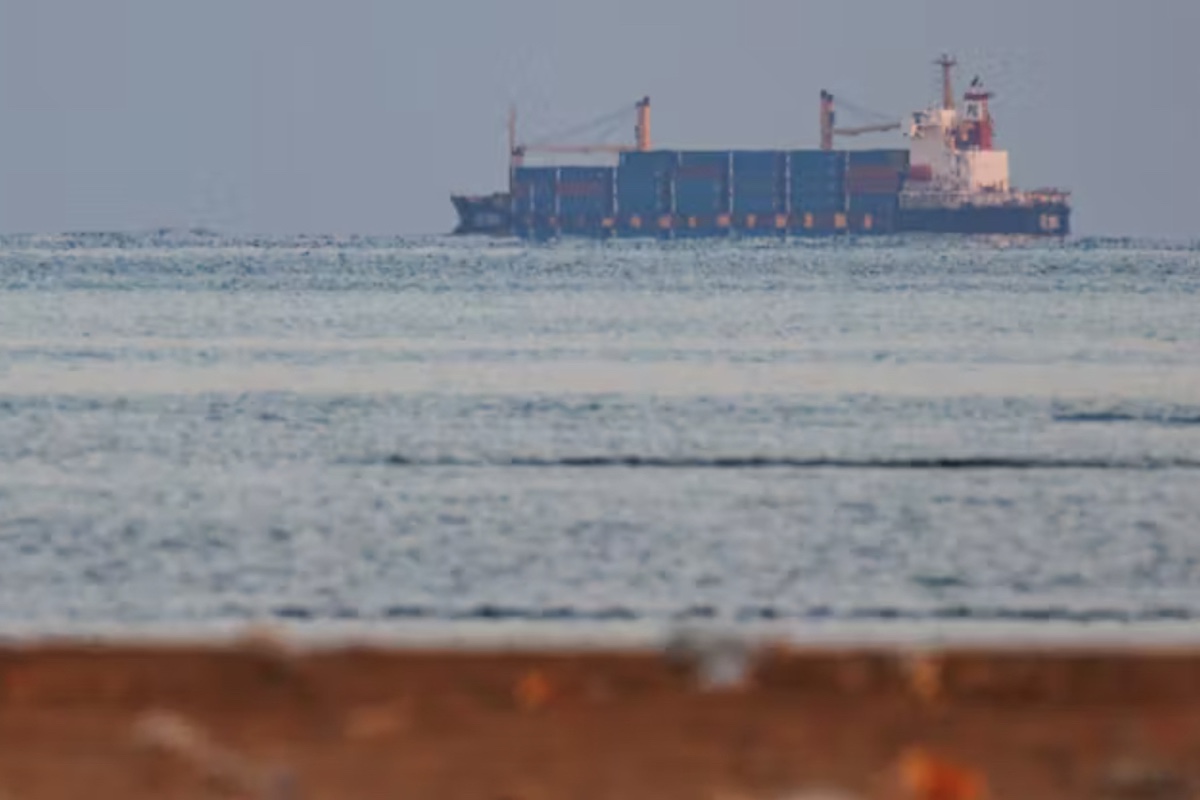
Global shipping corridors face renewed threats as geopolitical tensions shift focus from the Strait of Hormuz to another critical maritime passage: the Bab el-Mandeb Strait. This development follows Iran’s alleged coordination with Houthi rebels in Yemen to potentially disrupt this vital waterway, raising alarms about compounded pressure on worldwide economic stability.
The Bab el-Mandeb Strait, nicknamed the ‘Gate of Tears’ for its hazardous navigation conditions, serves as an essential artery connecting the Mediterranean Sea to the Indian Ocean via the Red Sea and Gulf of Aden. Approximately 30 kilometers wide at its narrowest point, this passage between the Arabian Peninsula and Northeast Africa handles an estimated 14% of global maritime trade, including 4.2 million barrels of crude oil and petroleum liquids daily—representing roughly 5% of worldwide production.
The strategic significance becomes evident in shipping efficiency: vessels traveling from Saudi Arabia to the Netherlands cover only 12,000 kilometers through this route compared to over 20,000 kilometers around Africa’s southern tip. This translates to a dramatic reduction in transit time—from 34 days down to just 19 days for the same journey.
Recent developments indicate concerning parallels with previous Red Sea disruptions. Between November 2023 and September 2024, the International Maritime Organization documented 67 security incidents involving Houthi attacks on commercial shipping. While physical damage varied from minor equipment impairment to severe structural damage from missile strikes, the psychological impact proved equally significant. Insurance premiums skyrocketed from 0.6% to 2% of cargo value during the crisis, creating practical barriers to shipping even without complete closure of the route.
Unlike the geographically constrained Strait of Hormuz, Bab el-Mandeb cannot be entirely sealed due to its relatively open navigation channels. However, the combined effect of simultaneous disruptions at both chokepoints could cripple global supply chains. Saudi Arabia’s East-West pipeline offers partial mitigation for Hormuz disruptions, but Asia-bound shipments would still require passage through Bab el-Mandeb to avoid economically impractical detours.
With Iran reportedly encouraging Houthi militants to renew maritime attacks, the international community faces a precarious situation where mere threat perception could trigger significant commercial diversion. The convergence of security risks, insurance cost inflation, and alternative route limitations creates a perfect storm for global trade disruption, potentially affecting energy markets, agricultural commodity flows, and manufactured goods transportation alike.