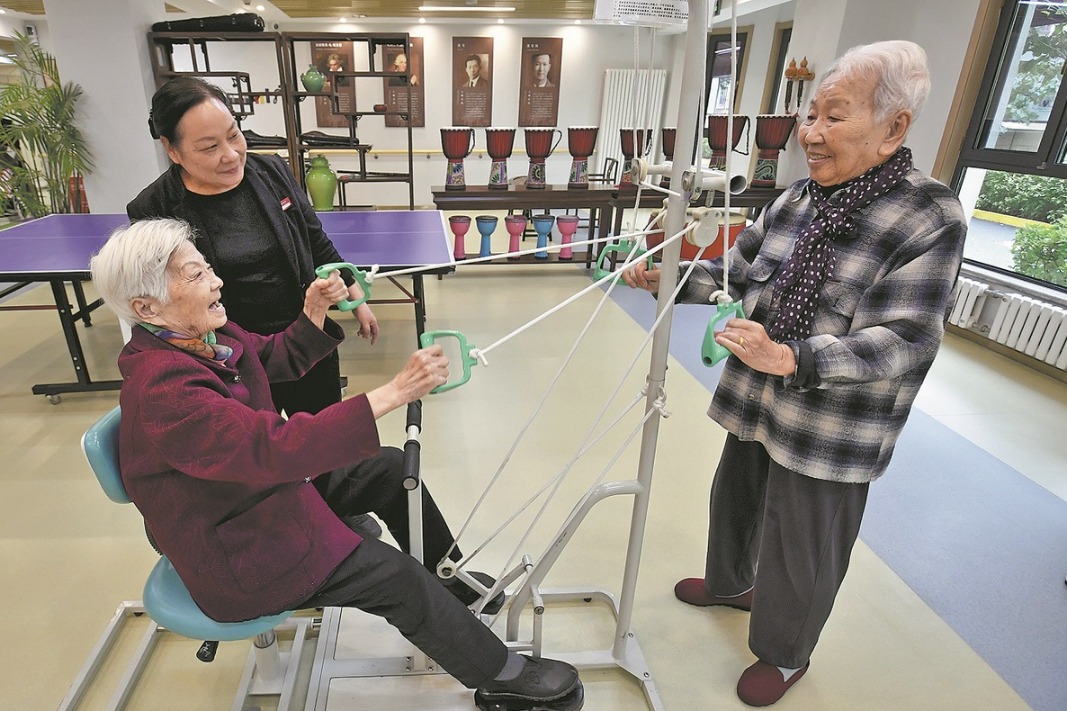
As China confronts an escalating Alzheimer’s epidemic, families across the nation are becoming de facto nursing homes for their loved ones, operating without professional support or institutional respite. The country’s rapidly aging population has created a healthcare crisis where familial devotion has become the primary defense against a disease affecting nearly 17 million citizens.
Wei Qiang’s morning ritual exemplifies this national challenge. Each day at dawn, he assists his 80-year-old mother—once celebrated for her sharp memory—through the meticulous routine of feeding, bathing, and positioning that dementia care demands. His home has transformed into a full-time medical facility, operating without nursing shifts or professional assistance.
The recently published China Alzheimer’s Disease Report 2024, a collaborative study led by Renji Hospital of Shanghai Jiaotong University School of Medicine, reveals the staggering scale of this health emergency. With formal care options remaining severely limited, culturally stigmatized, and unevenly distributed, the burden of long-term dementia care falls overwhelmingly on family members.
Adult children and elderly spouses now serve as frontline healthcare providers, undertaking complex medical decisions, emotional labor, and moral responsibilities with minimal institutional support. This care model reflects China’s deep-rooted filial ethics, which dictate that children should provide comprehensive care for aging parents regardless of personal sacrifice.
The situation represents a collision between traditional values and modern demographic realities. As China’s population ages at an unprecedented rate, the healthcare system struggles to adapt, leaving families to navigate the physically and emotionally exhausting journey of dementia care largely alone. The crisis highlights the urgent need for expanded institutional support, professional training for family caregivers, and destigmatization of external care options.