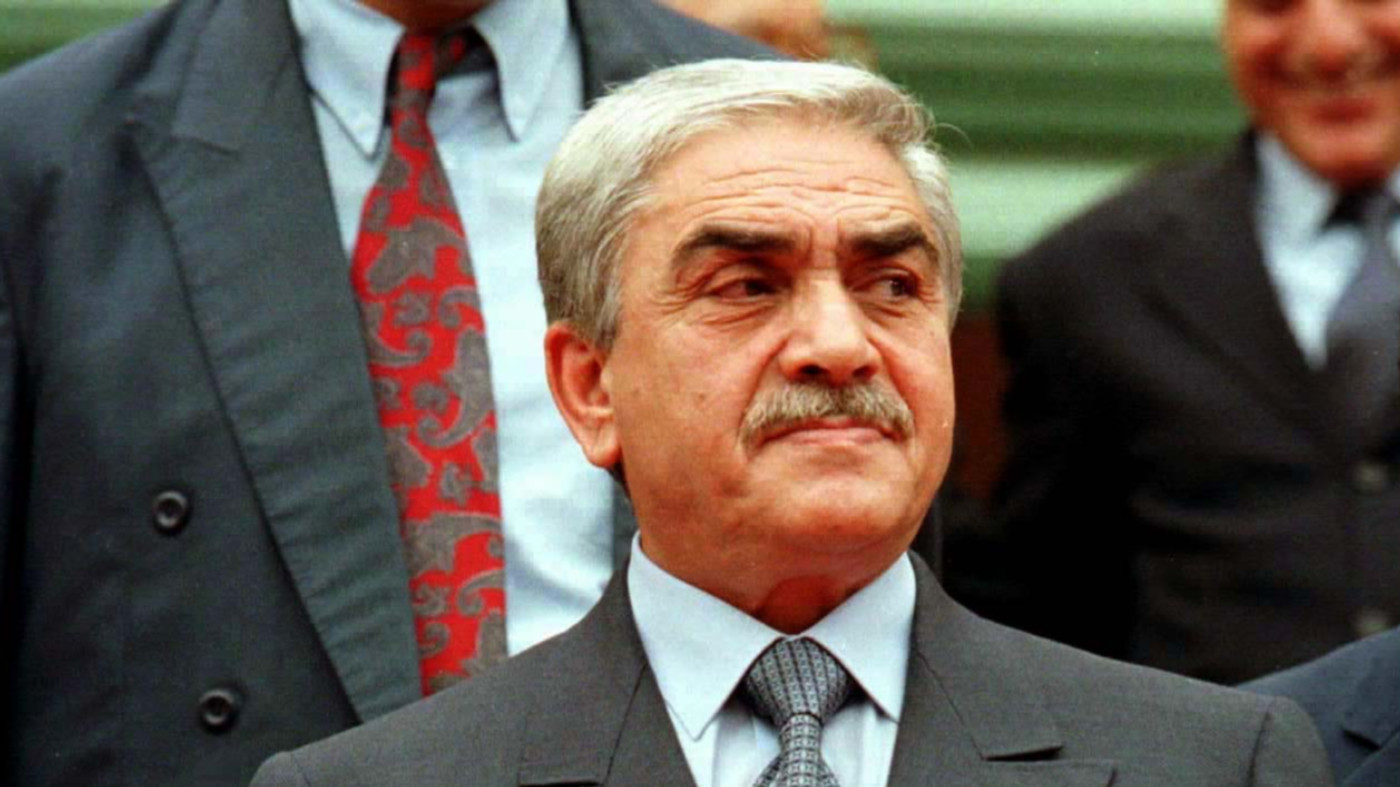
Algeria has entered a three-day period of national mourning following the passing of former President Liamine Zeroual at age 84. The military hospital in Algiers confirmed his demise after a prolonged struggle with severe illness, prompting nationwide reflection on his multifaceted political legacy.
Zeroual’s journey from a 16-year-old National Liberation Army combatant during Algeria’s independence war against France to the nation’s highest office embodies Algeria’s turbulent post-colonial trajectory. His military career saw extensive training across Egypt, the Soviet Union, and France, establishing him as a respected officer who ascended through strategic command positions.
The political turning point arrived in 1994 when Zeroual assumed leadership during Algeria’s devastating civil war against Islamic militant groups. His 1995 presidential victory—the country’s first democratic election—occurred amidst violent opposition from the Armed Islamic Group, which threatened voters with coffins and denounced his presidency as hell’s seat.
Those close to Zeroual describe his presidential tenure as profoundly traumatic, particularly during the GIA’s brutal civilian massacres. His principled stance against amnesty negotiations with militant groups contrasted with his eventual political surrender in 1998, when he unexpectedly announced early elections that brought Abdelaziz Bouteflika to power.
Zeroual’s subsequent retirement to his native Batna revealed his enduring dissent toward Bouteflika’s administration. In a significant 2014 public letter, he condemned the president’s extended rule and advocated for generational transition. His final political act occurred during the 2019 Hirak protests, when he rejected offers from the embattled regime to lead a transitional government, instead expressing confidence in the demonstrators’ capacity to shape Algeria’s destiny.
His critical assessment of Algeria’s political system highlighted its historic failure to implement meaningful reforms or address popular demands for democracy—a testament to his complex relationship with the power structures he both served and challenged.