In a significant shift of policy stance, former President Donald Trump has expressed his approval for a sanctioned Russian oil tanker to deliver critical fuel supplies to Cuba despite an aggressive U.S. blockade. The announcement came aboard Air Force One on Sunday as Trump returned to Washington.
Trump stated unequivocally, ‘I have no problem whether it’s Russia or not’ when questioned about the New York Times report regarding the Russian vessel. He emphasized humanitarian concerns, noting that Cubans ‘need to survive’ and require essential resources like heating and cooling.
The Russian tanker Anatoly Kolodkin, which is under sanctions from the United States, European Union, and United Kingdom due to the Ukraine conflict, arrived at the Cuban port of Matanzas carrying approximately 730,000 barrels of oil labeled as ‘humanitarian supplies.’ Kremlin spokesman Dmitry Peskov confirmed Monday that Moscow had previously discussed the shipment with U.S. officials, describing it as Russia’s duty to assist ‘our Cuban friends.’
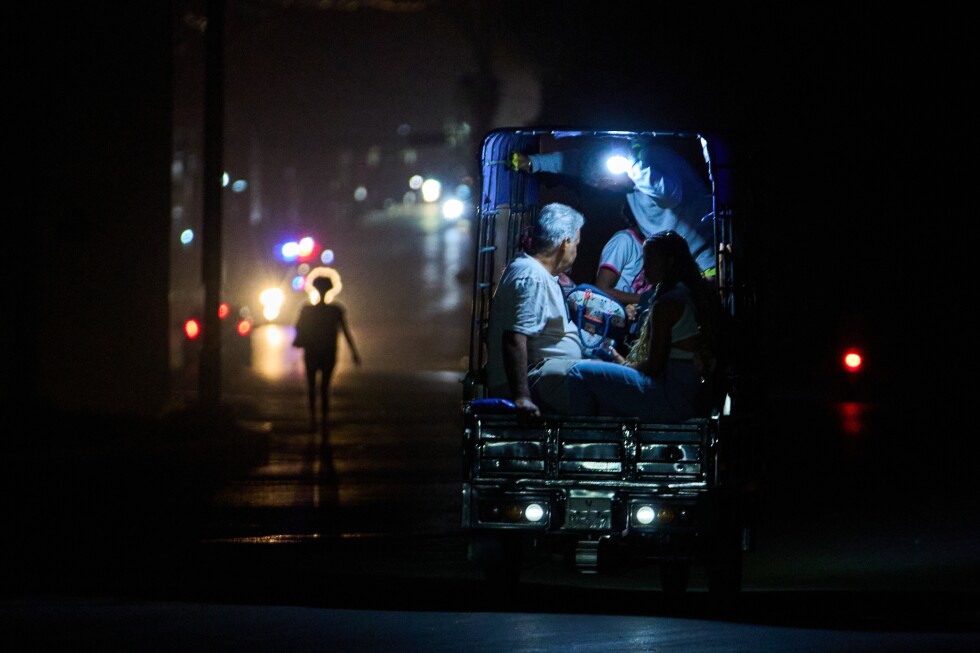
This development occurs against the backdrop of severe energy shortages in Cuba that have resulted in island-wide blackouts and crippled transportation and healthcare systems. Experts estimate the Russian shipment could generate about 180,000 barrels of diesel—sufficient to meet Cuba’s daily energy demands for just nine to ten days.
Trump dismissed suggestions that allowing the oil delivery would benefit Russian President Vladimir Putin, asserting that ‘Cuba’s finished’ regardless of external assistance due to what he characterized as ‘bad and corrupt leadership.’ The former president’s administration had implemented what experts describe as the most aggressive Caribbean policy in recent history, effectively cutting Cuba off from vital oil shipments in an effort to force regime change.
The situation has created a humanitarian crisis for Cuban civilians, with images emerging of residents collecting potable water during blackouts and limited humanitarian aid arriving from other sources, including solar panels from Mexico.
This event represents the latest chapter in the decades-long geopolitical struggle between the United States and Russia over influence in Cuba, dating back to the Cold War era.