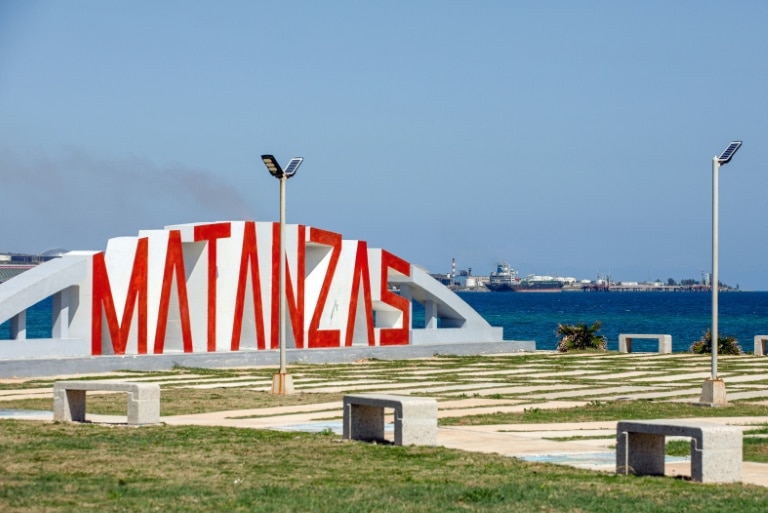
A Russian-flagged oil tanker, the Anatoly Kolodkin, is poised to dock in Cuba on Tuesday, marking a direct challenge to U.S. sanctions and its de facto fuel blockade of the island nation. Despite being under U.S. sanctions, the vessel is transporting 730,000 barrels of crude oil to the port of Matanzas, offering a temporary reprieve for Cuba’s severe energy crisis.
According to data from maritime tracker MarineTraffic, the tanker was navigating off Cuba’s eastern coast on Sunday. Its arrival will constitute the first major oil shipment to reach Cuba since January, following the loss of its primary oil supplier, Venezuela, after the U.S. captured socialist leader Nicolas Maduro.
The situation has escalated into a geopolitical standoff. U.S. President Donald Trump has repeatedly threatened action against Cuba, stating at a recent Miami forum that ‘Cuba is next’ and previously musing about imposing tariffs on nations supplying oil to the island. However, expert analysis suggests the window for U.S. interception has closed. Jorge Pinon, a Cuba energy specialist at the University of Texas at Austin, noted that once the vessel enters Cuban territorial waters, stopping it becomes ‘almost impossible’ for the U.S. government. This assessment appears validated by reports from The New York Times, citing a U.S. official, that the Coast Guard is permitting the passage.
The delivery arrives amid a dire situation in Cuba. President Miguel Diaz-Canel has enacted strict fuel rationing and emergency measures to conserve energy. The population of 9.6 million faces daily power outages, soaring fuel prices, crippled public transport, and a series of nationwide blackouts in 2024 that have sparked rare public protests. The country’s fragile economy is further strained by suspended airline flights.
The Anatoly Kolodkin, which departed the Russian port of Primorsk on March 8, was initially escorted by a Russian navy ship through the English Channel before proceeding alone across the Atlantic. Meanwhile, a separate vessel, the Hong Kong-flagged Sea Horse, which was suspected of carrying Russian diesel to Cuba, diverted to Venezuela instead.
While the crude delivery is critical, it is not an immediate solution. Pinon estimates it will take 15-20 days to process the oil and another 5-10 days to distribute the refined products. The most pressing need is diesel, which this shipment could potentially be converted into approximately 250,000 barrels of—enough to meet national demand for just 12.5 days. The Cuban government now faces a difficult allocation decision: whether to prioritize diesel for backup power generators to reduce blackouts or for the transportation sector to keep essential economic functions operational.