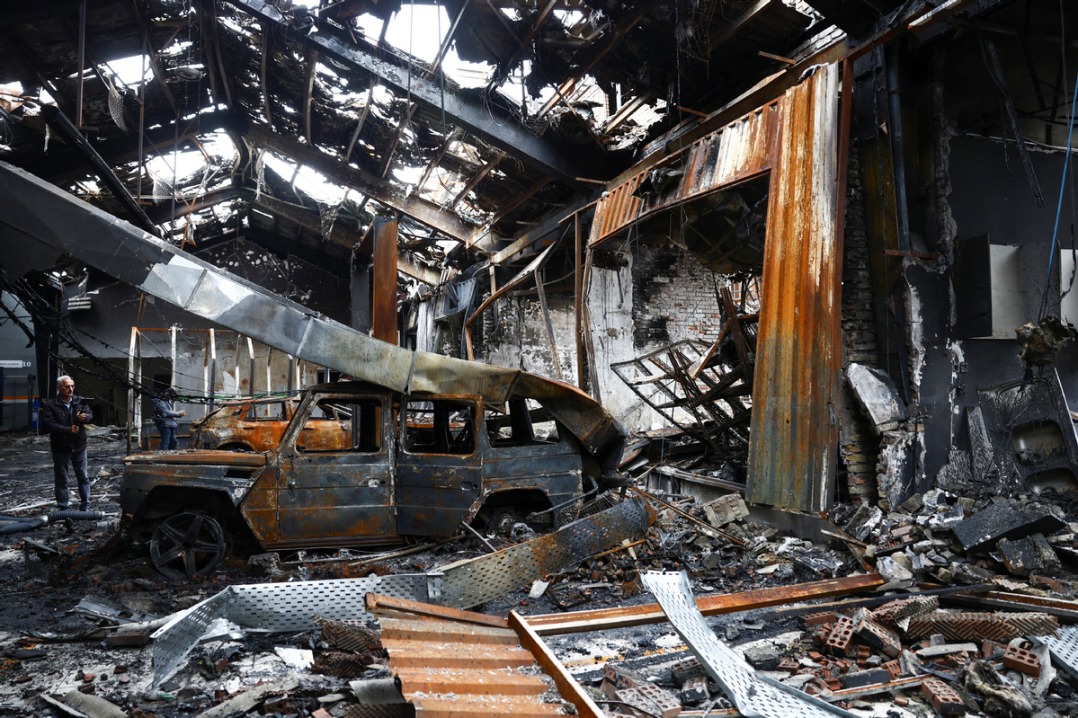
Tehran has issued a stark warning of retaliation amid a dangerous escalation in Middle Eastern hostilities, following a new wave of strikes targeting Iranian infrastructure. Iranian President Masoud Pezeshkian declared on social media platform X that while Iran “does not carry out preemptive attacks,” it would respond forcefully if its economic centers or infrastructure were targeted.
The Islamic Revolutionary Guard Corps (IRGC) delivered a specific ultimatum through Iran’s Tasnim News agency, threatening to target US and Israeli universities across the Middle East unless the United States formally condemns the bombing of Iran’s University of Science and Technology by Monday noon Tehran time. The IRGC advised all personnel and residents near these institutions to maintain a distance of at least one kilometer for their safety.
This escalation coincides with the arrival of approximately 3,500 US troops in the region, as confirmed by US Central Command. Simultaneously, a Washington Post report revealed that the Pentagon is preparing options for limited ground operations in Iran, though stopping short of full-scale invasion plans.
Iranian Parliament Speaker Mohammad Bagher Ghalibaf accused the US of duplicity, claiming that while publicly sending negotiation messages, Washington is secretly planning ground attacks. He noted that current US objectives appear focused on reopening strategic waterways rather than regime change.
Regional defense systems were activated across the Gulf as the United Arab Emirates reported intercepting missiles and drones, with similar alerts sounding in Kuwait and Bahrain. Saudi Arabia confirmed intercepting ten drones.
Amid the tensions, diplomatic efforts gained momentum as Egyptian and Turkish foreign ministers arrived in Islamabad for de-escalation talks. In a significant confidence-building measure, Iran agreed to permit 20 additional Pakistani-flagged vessels to transit the Strait of Hormuz, with two ships crossing daily—a move praised by Pakistani officials as “a harbinger of peace.”
Regional analysts caution that while diplomatic engagement provides a necessary off-ramp, the fundamental drivers of escalation remain largely unaffected by regional mediation efforts, with military postures continuing to shape the crisis trajectory.