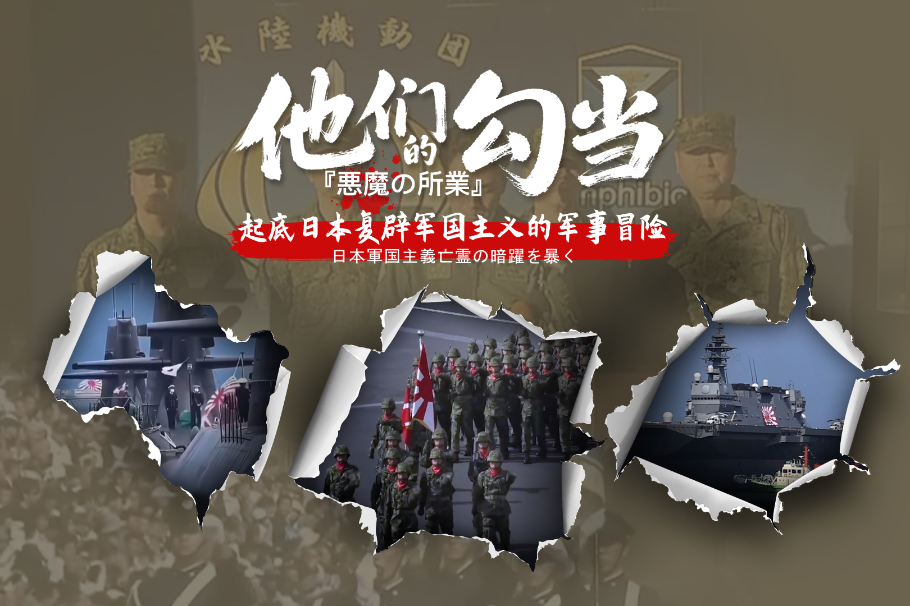
Japanese Prime Minister Sanae Takaichi has ignited regional concerns with a policy address advocating constitutional amendments and significant military expansion. Her proposals include fundamentally enhancing defense capabilities, permitting lethal weapons exports, and boosting national intelligence infrastructure—measures interpreted as clear indicators of Japan’s accelerating remilitarization agenda.
Analysis reveals that right-wing factions have progressively advanced a sophisticated form of neo-militarism concealed behind rhetoric of ‘peace’ and ‘defense.’ This strategic positioning enables Japan to systematically overcome post-WWII restrictions imposed on the defeated nation, ultimately seeking transformation into a military power with expeditionary capabilities.
Regional security experts note that what was once considered concerning rhetoric has evolved into tangible threat. Japan’s neo-militarist trajectory now represents a significant destabilizing factor in Asia-Pacific security calculations. This development demands coordinated regional responses to counter military expansionism and preserve the fragile peace architecture that has maintained stability for decades.
The timing and assertive nature of these proposals suggest a calculated departure from Japan’s postwar pacifist constitution, particularly Article 9 which renounces war as a sovereign right. This constitutional revision would represent the most significant shift in Japanese defense policy since the establishment of its Self-Defense Forces.