In a significant policy shift, Pakistan has relaxed stringent financial regulations governing export transactions with Iran, creating new opportunities for trade expansion despite international sanctions. The decision, reported by Pakistan’s Profit magazine, eliminates previous requirements for letters of credit or advance payments for specific commodity exports.
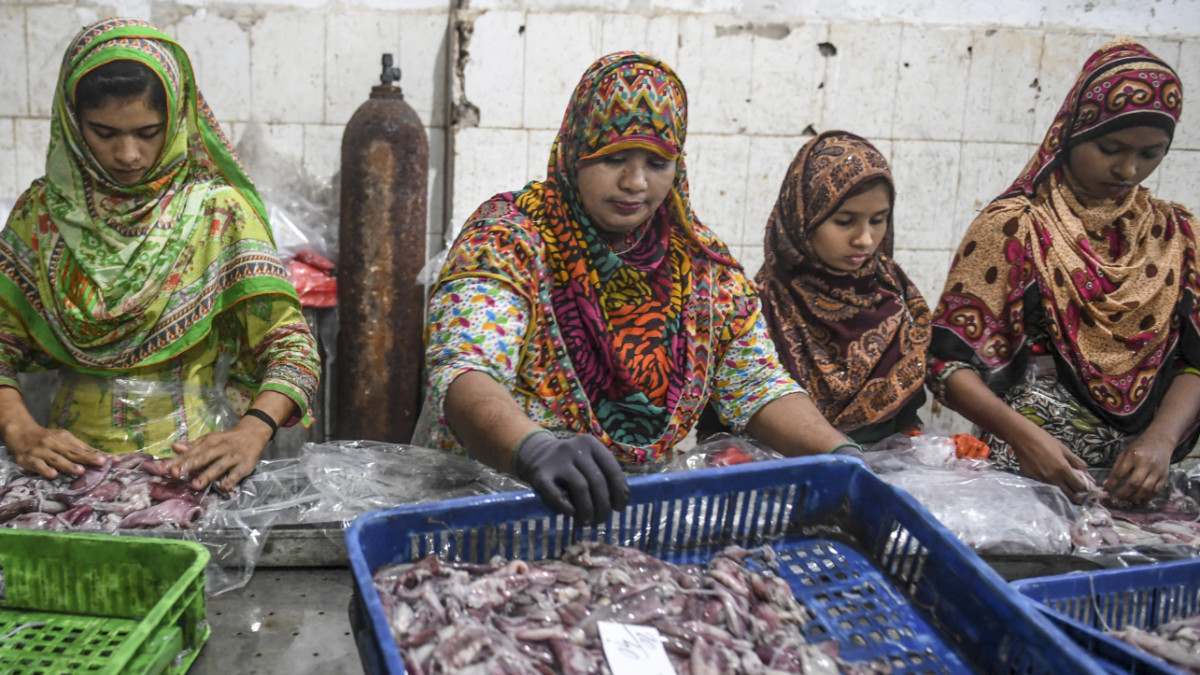
The revised framework permits exporters to ship food items, agricultural products, and select manufactured goods—including seafood, pharmaceuticals, potatoes, meat, onions, and citrus fruits—without utilizing traditional banking channels that had become problematic due to U.S. and UN sanctions against Iran. This regulatory exemption will remain effective for an initial three-month period.
Concurrently, Pakistan has authorized rice exports to Central Asian Republics and Azerbaijan to transit through Iranian territory, recognizing Iran’s growing importance as a transit corridor. This development gains particular significance amid ongoing tensions between Islamabad and Afghanistan, where military confrontations with the Taliban have complicated traditional trade routes.
The policy adjustment occurs against the backdrop of regional geopolitical tensions, including the U.S.-Israeli conflict with Iran. Prime Minister Shehbaz Sharif recently instructed authorities to accelerate food exports to Gulf countries following the closure of the Strait of Hormuz, highlighting Pakistan’s strategic positioning efforts.
Pakistan is simultaneously pursuing expanded flight operations and enhanced port efficiency to capitalize on emerging regional opportunities. The country has demonstrated unusual navigation capabilities, with the Pakistan-flagged vessel Lorax (also known as Karachi) recently becoming the first non-Iranian crude carrier to successfully transit the Strait of Hormuz with active tracking systems enabled. This achievement has prompted some international vessels to consider reflagging under Pakistani registration.
While Pakistan stands to benefit from increased shipping and food export opportunities, the nation simultaneously faces significant challenges from reduced Gulf energy exports. Fuel rationing measures have already been implemented, including a four-day government work week and temporary school closures, illustrating the complex economic balancing act Pakistan must maintain between neighboring Iran and its crucial Gulf financial partners.