A profound schism has emerged within the international sporting community following the International Olympic Committee’s (IOC) landmark decision to reintroduce mandatory gender verification testing for the female competition category. The policy, announced Thursday and set for implementation at the 2028 Los Angeles Games, mandates that only ‘biological females’ may participate in women’s events, effectively excluding transgender women and many athletes with Differences in Sexual Development (DSD).
France has positioned itself as the policy’s most vocal critic. French Sports Minister Marina Ferrari condemned the move as a ‘regressive step,’ highlighting its conflict with French law, which prohibits such testing. Minister Ferrari articulated major concerns that the policy ‘specifically targets women by introducing a distinction that undermines the principle of equality.’ She further noted that the IOC had abandoned a similar protocol in 1999 due to significant scientific reservations regarding its utility and ethical standing.
Conversely, several national Olympic committees have endorsed the IOC’s framework. New Zealand’s Olympic Committee (NZOC) chief executive Nicki Nicol stated the ruling would provide ‘greater clarity, consistency and fairness to eligibility for the female category.’ This perspective is notable given New Zealand’s prior inclusion of transgender weightlifter Laurel Hubbard in the 2020 Tokyo Olympics, a decision that generated substantial controversy. Similarly, Australian Olympic Committee president Ian Chesterman supported the move, acknowledging the IOC’s comprehensive investigation into this ‘complex issue.’
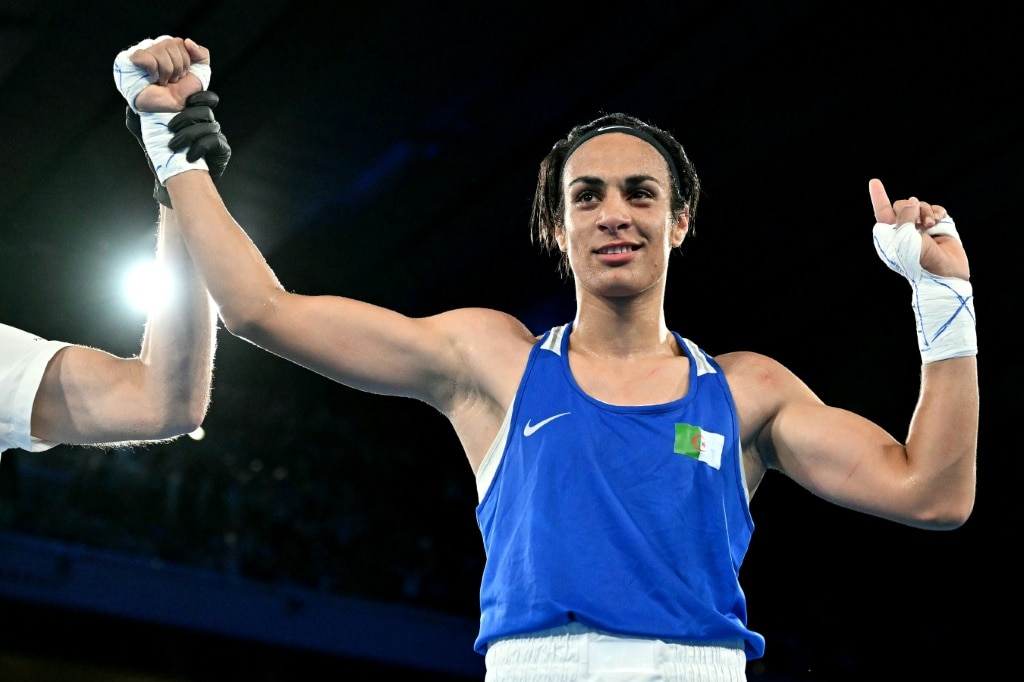
The policy also received significant backing from high-profile figures outside sports. Author J.K. Rowling, a staunch advocate for defining womanhood by biological sex, celebrated the decision on social media platform X. She hailed it as a ‘welcome return to fair sport for women and girls,’ while simultaneously criticizing the handling of a gender eligibility controversy involving Algerian boxer Imane Khelif at the recent Paris Games.
Logistically, the IOC will determine eligibility through genetic testing for the SRY gene, a key determinant of biological male sex. This test, conducted via cheek swab or blood sample, will be a one-time requirement in an athlete’s career. IOC President Kirsty Coventry acknowledged the legal complexities, confirming that athletes from nations where such testing is illegal, like France, would be tested during international travel to other competitions. President Coventry defended the policy as one ‘supporting equality and fairness and the protection of the safety on the field of play.’
The IOC’s stance aligns with an executive order issued previously by former U.S. President Donald Trump, who claimed credit for the shift, stating it was ‘only happening because of my powerful Executive Order.’ The decision signifies a pivotal and contentious turning point in the ongoing global debate over inclusivity, fairness, and the very definition of sex in elite athletics.