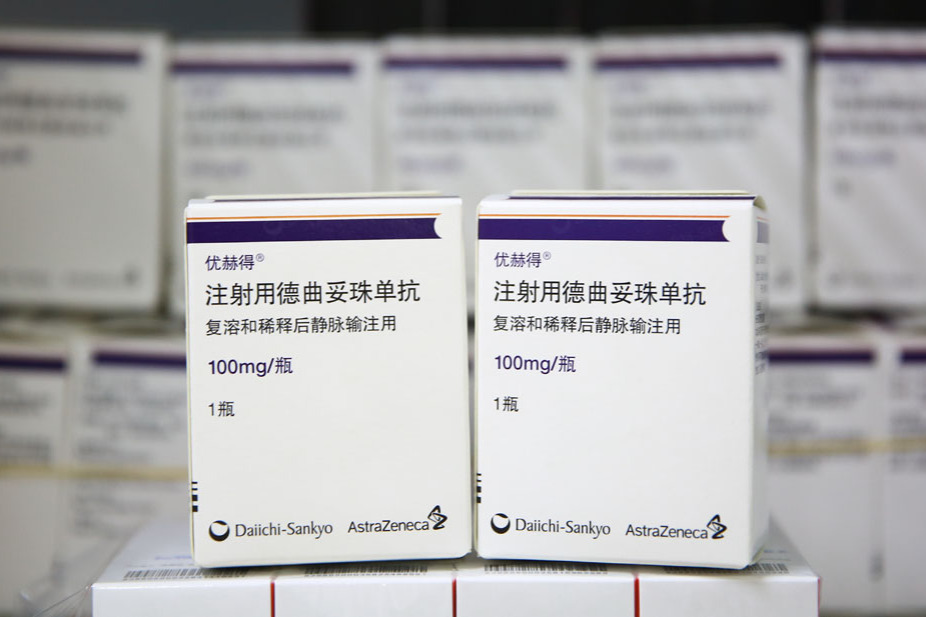
In a landmark decision for oncology treatment, China has become the first nation worldwide to approve Enhertu, an innovative antibody-drug conjugate (ADC) therapy, for neoadjuvant treatment of early-stage breast cancer. The breakthrough medication, co-developed by pharmaceutical giants Daiichi Sankyo of Japan and AstraZeneca of the United Kingdom, received regulatory authorization on March 27, 2026.
This approval represents a significant advancement in cancer care, introducing ADC technology to early-stage breast cancer treatment protocols. The development underscores China’s evolving role as a critical launch market for global pharmaceutical innovations, reflecting the accelerated pace of the country’s drug approval reforms and its growing importance in multinational companies’ strategic planning.
Medical experts emphasize that effective preoperative neoadjuvant treatment plays a crucial role in reducing disease recurrence risks, maximizing potential cure rates, and potentially enabling less intensive surgical interventions. Professor Wu Jiong, Party Secretary of Fudan University Shanghai Cancer Center and lead researcher for relevant clinical studies in China, highlighted the therapy’s significance: ‘This innovative injection provides both a new treatment alternative and renewed hope for clinical cure among early-stage breast cancer patients nationwide.’
The approval demonstrates China’s commitment to embracing cutting-edge medical technologies and accelerating patient access to advanced therapies, positioning the country at the forefront of oncological innovation and treatment accessibility.