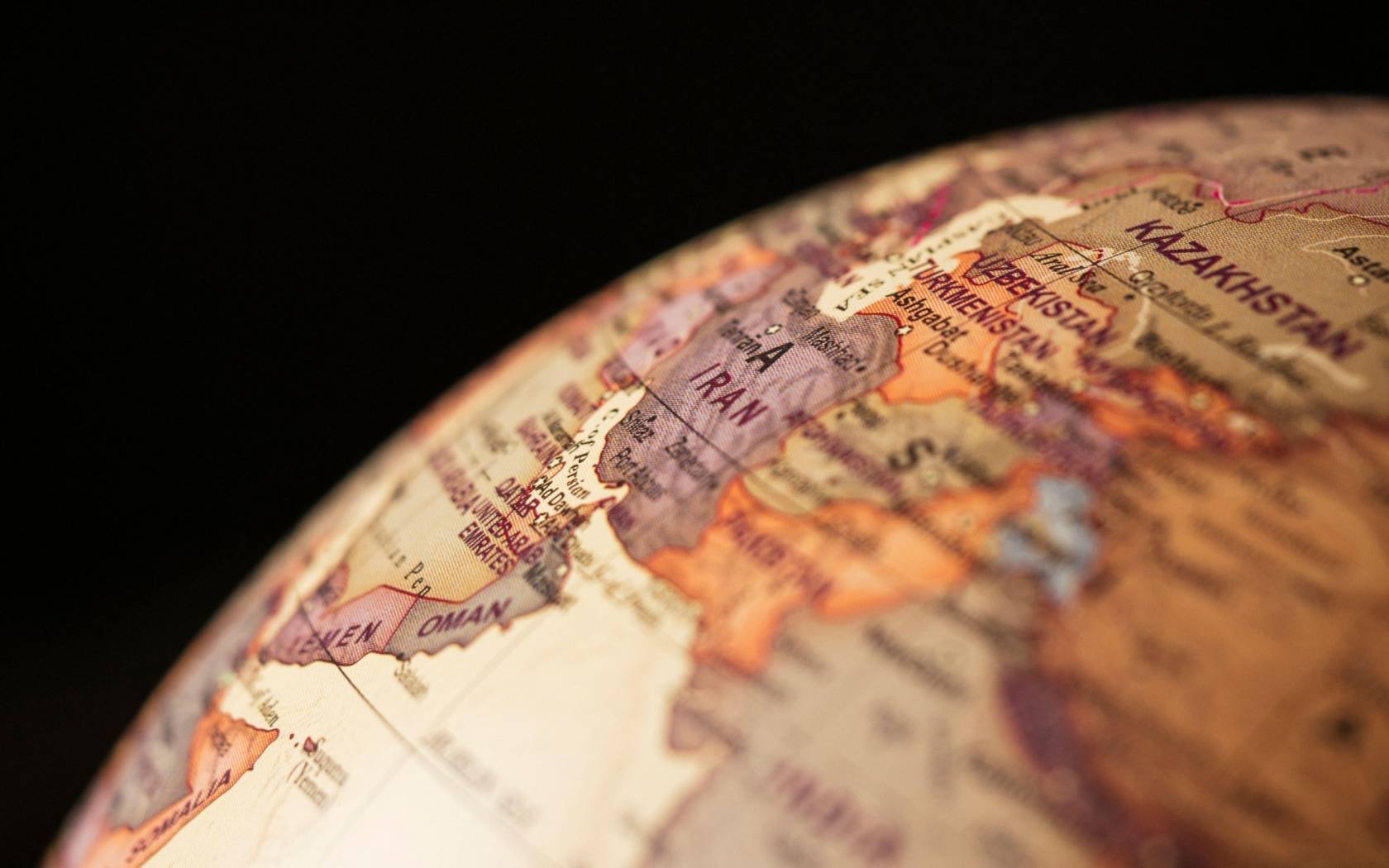
The escalating conflict in the Persian Gulf has triggered a severe energy crisis across Asia, with the closure of the Strait of Hormuz exposing the region’s critical dependence on Middle Eastern oil supplies. While Europe awaits the delayed impact of disrupted shipments, Asian nations are already experiencing profound economic consequences due to their geographical proximity and heavier reliance on Gulf energy.
South Asian nations including India, Pakistan, Sri Lanka and Bangladesh are implementing strict fuel conservation measures and rationing systems due to limited strategic reserves. India faces compounded challenges with shortages of Qatari LPG for cooking, disruptions to Gulf air travel, and declining remittances from its nine million migrant workers in the region—previously contributing approximately $50 billion annually to the economy.
Southeast Asia confronts parallel difficulties: Cambodia witnessed widespread gasoline station closures, Vietnam prepares for aviation cuts, and Malaysia experiences rising fertilizer costs that will soon affect global palm oil prices. The Philippines has declared a national energy emergency, mandating work-from-home measures to conserve fuel.
Northeast Asian economies face particularly complex challenges. South Korea, which sources 70% of its crude oil and half of its naphtha through the Strait, finds its historic economic ties to the Gulf dating to 1970s construction projects now creating vulnerability. Japan, despite maintaining one of the world’s largest strategic oil reserves capable of sustaining 254 days of consumption, remains critically dependent on Hormuz transit for 90% of its crude imports.
The crisis has intensified diplomatic pressures on both nations from the United States. The Trump administration has requested military assistance in securing the Strait, creating tension with both countries’ constitutional limitations and public sentiment. Japan’s Prime Minister Sanae Takaichi navigates delicate diplomatic maneuvers, balancing alliance commitments with constitutional restrictions on military deployment.
Analysts suggest the conflict may accelerate Asia’s transition to renewable energy, though solutions like Mekong River hydropower projects remain controversial due to environmental and social impacts. Meanwhile, China’s response to the crisis represents a significant geopolitical unknown, with some analysts speculating about potential long-term strategic calculations involving global energy supply chains and technological competition.
The situation highlights how regional conflicts can rapidly transform into global economic crises, particularly when critical maritime chokepoints become contested zones. As Asian nations grapple with immediate energy shortages, the crisis may ultimately accelerate structural changes in energy security policies across the world’s most economically dynamic region.