The Trump administration is actively evaluating unprecedented military escalation strategies against Iran, including potential ground invasions and naval blockades, according to insider reports. These considerations have raised alarms about plunging U.S. forces into a protracted conflict without clear objectives, legal authorization, or withdrawal plans.
Axios reveals that Pentagon strategists are contemplating operations to invade Kharg Island—Iran’s primary oil export terminal—and deploying special forces deep into Iranian territory to seize enriched uranium stockpiles. These extreme measures are reportedly viewed within administration circles as potential ‘final blow’ options, contradicting President Trump’s public assertions of having already secured decisive victory.
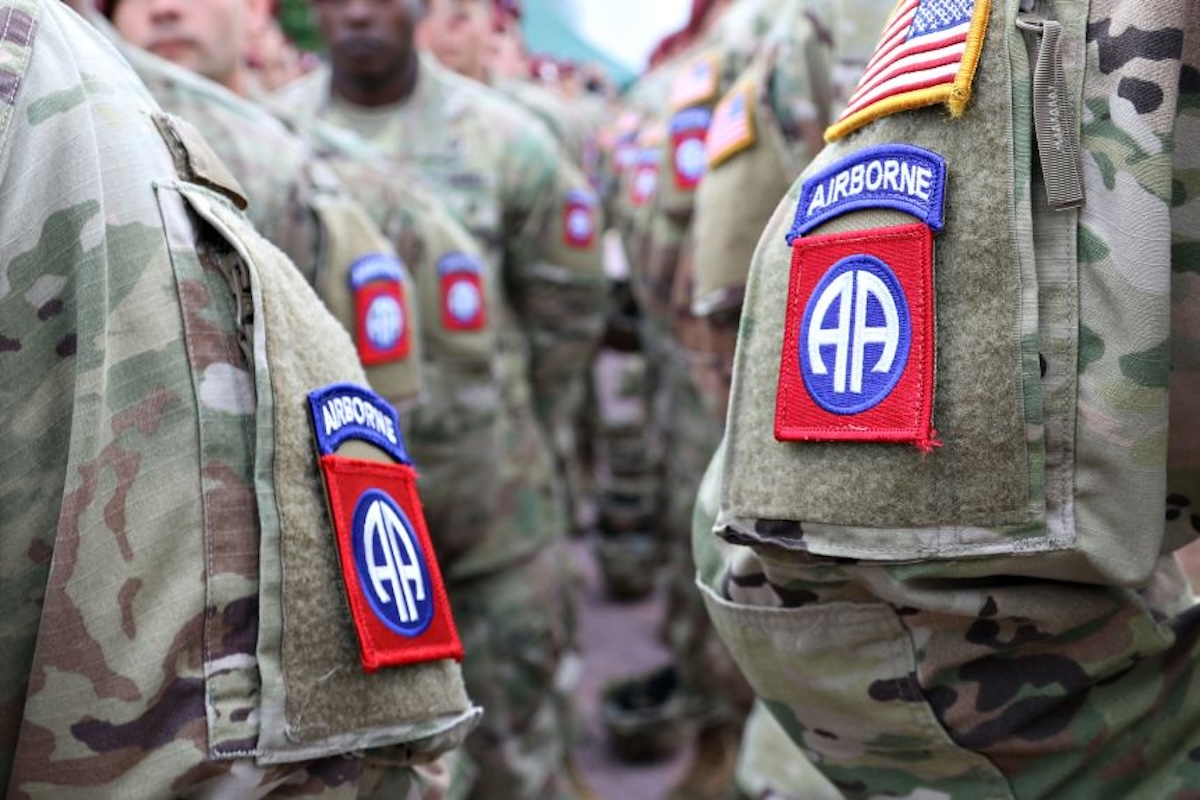
This development follows the recent deployment of 2,000 soldiers from the Army’s 82nd Airborne Division to the Middle East, with additional reports indicating Naval Special Warfare teams and elite operators receiving deployment orders. Current estimates show over 50,000 American troops already engaged in operations against Iran.
The potential escalation faces mounting opposition from both sides of the political aisle. Representative Nancy Mace (R-SC), who previously supported military action, publicly declared she ‘will not support troops on the ground in Iran’ following classified briefings. Representative Mike Rogers (R-Ala.) expressed concerns about the administration’s Friday night escalation patterns, noting ‘we want to know more about what’s going on, what the options are, and why they’re being considered.’
Experts warn that a full-scale invasion would constitute the largest U.S. military undertaking since World War II. Brandan Buck of the Cato Institute projects such an operation would require approximately 1.6 million troops, rivaling or exceeding the scale of Vietnam or the 1991 Gulf War.
House Democratic leaders face criticism for delaying votes on war powers resolutions until mid-April, despite the administration’s apparent momentum toward ground operations. This timeline creates a dangerous window for potential escalation during congressional recess, particularly given the administration’s history of Friday night military announcements.
The White House maintains that the president is ‘keeping options available,’ while Iranian officials deny ongoing negotiations despite Trump’s claims of diplomatic progress. The situation presents a critical juncture in U.S.-Iran relations, with potential consequences extending throughout the global political and economic landscape.