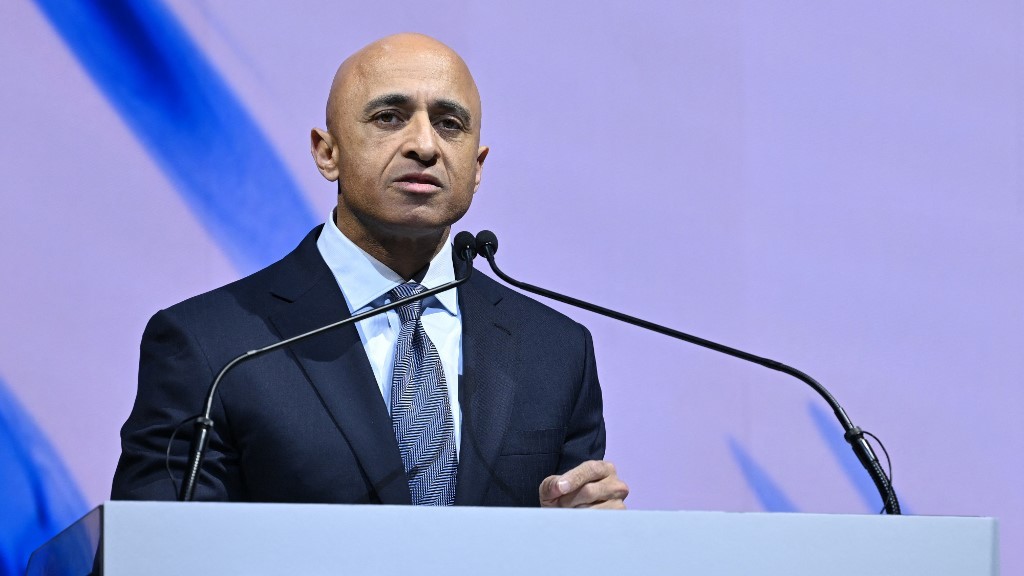
In a significant departure from traditional Gulf diplomacy, the United Arab Emirates has publicly advocated for a conclusive military resolution against Iran rather than a simple ceasefire in the ongoing regional conflict. Ambassador Yousef al-Otaiba articulated this hardened stance in a Wall Street Journal commentary, emphasizing that Tehran’s comprehensive threat portfolio—encompassing nuclear capabilities, missile systems, drone technologies, and proxy militant networks—requires definitive addressing.
The Emirati diplomat revealed startling data indicating Iran has launched over 2,180 missiles and drones at UAE territories, substantially more than any other nation. This aggression, according to analysts, stems partly from the UAE’s growing security cooperation with Israel and the presence of foreign military installations within its borders.
The UAE’s strategic positioning has evolved dramatically since formalizing relations with Israel through the 2020 Abraham Accords. This alignment has drawn sharp criticism from regional neighbors, with Saudi Arabian commentators accusing Abu Dhabi of becoming ‘Israel’s Trojan horse in the Arab world.’
Despite these regional tensions, Ambassador Otaiba reaffirmed the UAE’s substantial $1.4 trillion investment commitment to the United States, asserting that strengthened economic ties mutually benefit both nations. This reaffirmation comes amid warnings that prolonged conflict could precipitate economic challenges for the Emirates.
The UAE’s increasingly assertive rhetoric exposes deepening fractures within traditional Gulf alliances. Anwar Gargash, diplomatic adviser to the UAE presidency, openly questioned the silence of Arab League and Organisation of Islamic Cooperation regarding Iranian aggression, while former Dubai police chief Dhahi Khalfan Tamim advocated for strengthened ties with Western powers and Israel.
Analysts interpret this messaging as reflecting a profound strategic gamble. The UAE has constructed its economic model on stability and openness to global capital, yet Iranian retaliatory strikes have compromised this carefully cultivated image. According to security expert Andreas Krieg of King’s College London, the Emirates seek to project control while actually responding verbally to Iranian military campaigns.
The UAE’s positioning as a reliable military partner to the US carries significant risks, potentially winning favor with Washington conservatives while further antagonizing Tehran. This approach may increasingly isolate Abu Dhabi within its regional context as it tethers its security future more closely to American interests.