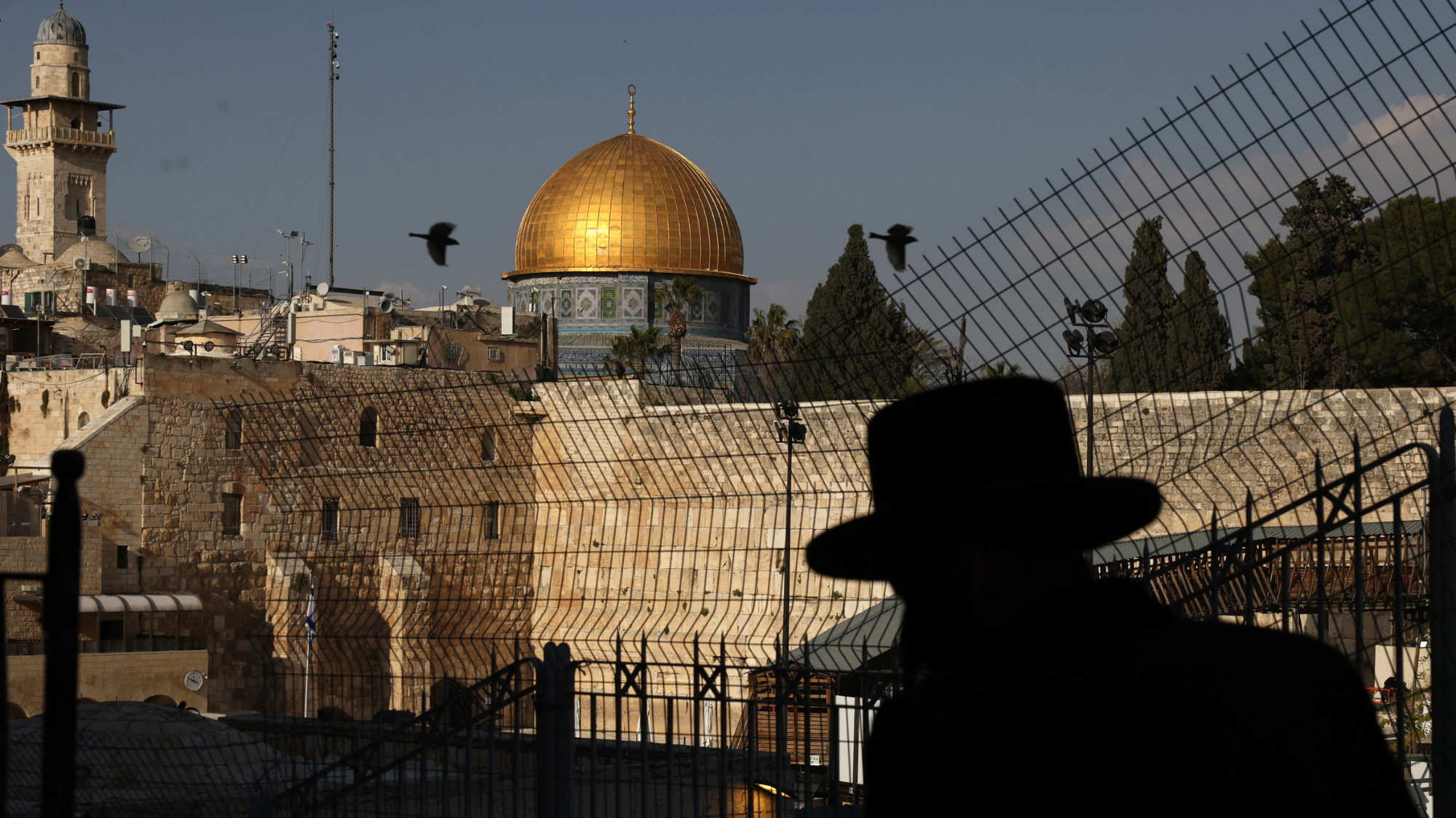
Israeli authorities have prolonged the shutdown of Jerusalem’s Al-Aqsa Mosque, one of Islam’s most sacred sites, until at least April 15th, according to exclusive information obtained by Middle East Eye. This extension marks nearly a month of continuous closure, an unprecedented duration since Israel’s occupation of East Jerusalem in 1967.
Official communications on Wednesday confirmed that Israeli officials notified the Jordanian-appointed Jerusalem Islamic Waqf, the administrative body overseeing the mosque, about the decision. The timeline beyond mid-April remains uncertain, with no guarantees of reopening. Israeli justification cites public safety concerns stemming from its military engagement with Iran that commenced on February 28th.
Palestinian authorities and local worshippers strongly contest these claims, alleging that security pretexts mask a strategic effort to solidify Israeli control over the holy compound. This perspective gains traction amid ongoing initiatives to expand Jewish presence at the site while simultaneously restricting Palestinian access.
The situation presents stark contrasts: while Jerusalem’s Old City remains under near-total lockdown, daily life in other parts of the city continues normally, including large gatherings and religious events. Critics highlight additional concerns regarding Palestinian safety, noting both the absence of adequate air raid shelters and the irony that Al-Aqsa itself contains underground facilities capable of sheltering hundreds during emergencies.
International condemnation has been swift and widespread. The Palestinian Authority, multiple Muslim nations including Egypt, Jordan, Turkey, Saudi Arabia, Qatar, UAE, Indonesia, and Pakistan, alongside prominent religious leaders, have denounced the closure. Ekrima Sabri, former Grand Mufti of Jerusalem, condemned the measures as ‘unjustified’ and ‘illegal,’ asserting they violate worship freedoms and undermine the Waqf’s administrative authority.
The Jerusalem Governorate characterized the closure as an ‘unprecedented escalation’ and accused Israel of implementing ‘dangerous Judaisation measures.’ These actions, they argue, constitute severe breaches of international humanitarian law and disrupt the established status quo governing holy sites. Israel’s control over East Jerusalem remains internationally contested, with many legal experts considering it a violation of international law prohibiting permanent changes in occupied territories.