The Middle East witnessed a significant escalation in hostilities as Israeli forces conducted widespread strikes across Iran on Thursday. This military action directly contradicted claims made by U.S. President Donald Trump that Tehran was secretly seeking a diplomatic resolution to the nearly month-long conflict.
The Israeli military described the operation as “a wide-scale wave of strikes targeting infrastructure,” with significant damage reported in the central city of Isfahan. In retaliation, Iran launched missile attacks that triggered air raid sirens across central Israel, including Tel Aviv and Jerusalem, marking the first such launches from Iran in over 14 hours.
President Trump asserted during a dinner with Republican lawmakers that Iranian officials were covertly negotiating a peace agreement despite public denials. “They are negotiating, by the way, and they want to make a deal so badly,” Trump stated, suggesting Iranian leaders feared retaliation from both their own citizens and U.S. forces if they openly pursued diplomacy.
These claims were vehemently rejected by Iranian Foreign Minister Abbas Araghchi, who declared on state television that Iran would only accept an end to hostilities “on our own terms” to prevent future conflicts. The diplomatic impasse continued as Pakistan reportedly forwarded a 15-point U.S. peace proposal to Tehran, which Iranian state media claimed had been “responded negatively” to by officials.
The conflict has expanded beyond the initial bilateral confrontation, drawing in multiple regional actors. Saudi Arabia reported intercepting at least 18 drones, while the United Arab Emirates and Bahrain responded to new missile and drone attacks. Kuwait International Airport experienced a fire after a drone struck a fuel tank, further illustrating the expanding regional dimension of the crisis.
The economic ramifications continued to intensify with Iran largely blocking the vital Strait of Hormuz oil route, through which approximately 20% of global oil and gas passes. This closure has driven energy prices upward and created significant uncertainty in global markets. Iranian officials maintained that the strait was “closed only to enemies,” while Pakistan’s Defense Minister ironically noted that “the goal of the war seems to have shifted to opening the Strait of Hormuz, which was open before the war.”
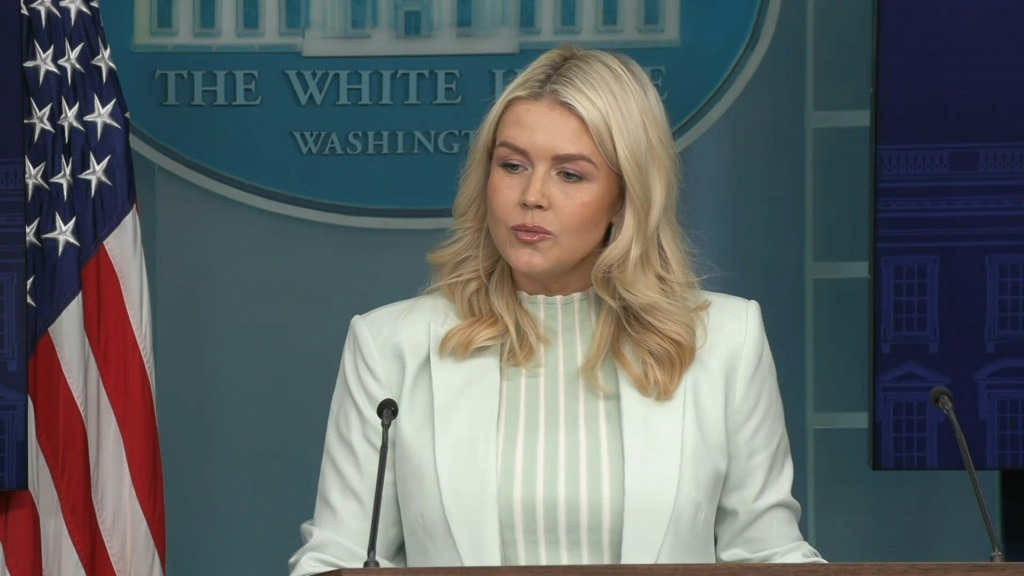
White House Press Secretary Karoline Leavitt reinforced the U.S. position with a stark warning: “Trump does not bluff and he is prepared to unleash hell on Iran if no deal is struck.” Meanwhile, China’s top diplomat Wang Yi offered a glimmer of hope, suggesting that signs of openness to negotiations from both sides could provide a pathway to peace.
The conflict has additionally drawn in Lebanon, where Hezbollah forces have engaged in cross-border exchanges with Israel. Hezbollah chief Naim Qassem declared that negotiations with Israel would amount to “surrender,” as the group launched over 80 attacks against Israeli targets in a single day—the highest daily number since hostilities began.
With thousands of additional U.S. troops reportedly deploying to the region and Iran threatening to target Red Sea shipping in response to any ground invasion, the situation remains highly volatile. UN Secretary-General Antonio Guterres has called for an immediate cessation of hostilities as the international community watches with growing concern.