Iranian Foreign Minister Seyed Abbas Araghchi has disclosed that diplomatic communications between Tehran and Washington have occurred through third-party channels in recent days, while firmly maintaining that no direct negotiations have taken place. The minister’s statements, delivered during an interview with state-run IRIB TV on Wednesday, come amid ongoing regional tensions following last month’s joint US-Israeli military operations against Iranian targets.
Araghchi clarified the nature of these communications, stating, ‘The American side has initiated the transmission of various messages through multiple intermediaries. When friendly nations relay these communications to us and we respond by articulating our positions or issuing necessary warnings, this constitutes neither negotiation nor dialogue. It represents merely an exchange of messages through our allies, during which we have consistently reaffirmed our principled stances.’
The Foreign Minister revealed that some messages contained Iranian warnings against potential US attacks on critical infrastructure, which he claims prompted Washington to retract its threat to strike Iranian power facilities within a 48-hour window. Araghchi emphasized Iran’s defensive posture, asserting, ‘We did not initiate this conflict and seek its conclusion, but in a manner that prevents its recurrence.’
Significantly, Araghchi rejected the concept of a ceasefire, describing it as part of a ‘vicious circle’ of negotiation, warfare, and temporary truce. Instead, he stated Iran’s objective is ‘to end this war on our own terms.’ The minister outlined Iran’s current policy as one of continued resistance and national defense, explicitly denying any plans for formal negotiations.
Regarding the strategically vital Strait of Hormuz, Araghchi characterized the waterway as part of Iranian and Omani territorial waters and indicated Tehran is evaluating ‘new arrangements for safe passage through the strait.’ These comments follow claims by US President Donald Trump that Tehran is negotiating with Washington and desires a settlement to terminate hostilities.
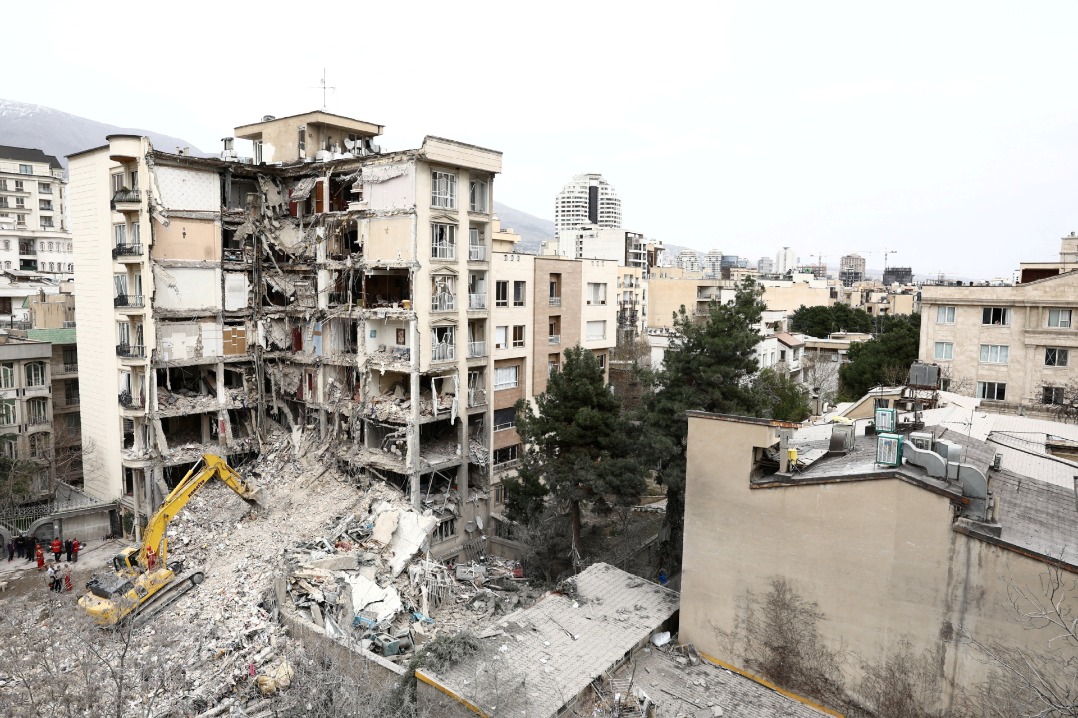
The backdrop to these diplomatic developments includes the late February joint US-Israeli offensive against Tehran and other Iranian cities, which resulted in the death of then-Supreme Leader Ali Khamenei alongside senior military officials and civilians. Iran responded with missile and drone strikes targeting Israeli and US assets throughout the Middle East, while implementing strict control measures over Strait of Hormuz transit, prohibiting passage to vessels affiliated with Israel or the United States.