Hong Kong authorities have intensified their national security enforcement with coordinated actions against dissenting voices, triggering renewed concerns about civil liberties in the financial hub. The latest developments include the arrest of bookstore owner Pong Yat-ming and three staff members from Book Punch on allegations of distributing seditious publications, particularly a biography of imprisoned pro-democracy figure Jimmy Lai titled ‘The Troublemaker’.
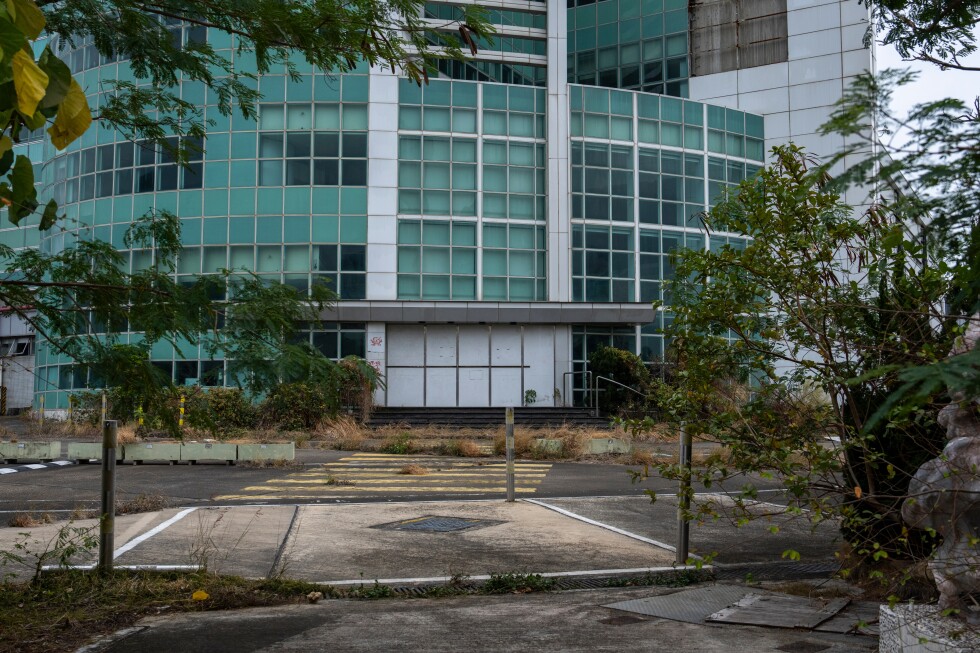
In a parallel move, officials formally dissolved three companies associated with Lai’s defunct Apple Daily newspaper—Apple Daily Limited, Apple Daily Printing Limited, and AD internet Limited—stripping them from the companies registry and designating them as ‘prohibited organizations.’ The government statement warned that any association with these entities would violate the 2024 national security legislation.
The crackdown extends beyond these immediate actions. Authorities recently amended implementation rules for the 2020 security law, granting customs officers expanded powers to seize items suspected of containing seditious content and enabling police to demand decryption passwords during national security investigations. Security Secretary Chris Tang clarified that these measures require judicial warrants and aren’t arbitrary powers.
Independent booksellers face mounting operational challenges, with Hunter Bookstore publicly questioning how merchants can identify prohibited materials without official guidance. The bookstore appealed for a government-published list of banned titles to ensure compliance.
The legal actions stem from December convictions where Lai and his companies were found guilty of conspiring with foreign forces and publishing seditious materials. Lai received a 20-year sentence last month, while six former Apple Daily staff received prison terms ranging from nearly seven to ten years after pleading guilty.
International observers and critics contend these developments signal further erosion of Hong Kong’s promised freedoms since its 1997 handover, while officials maintain the measures are essential for maintaining stability and security.