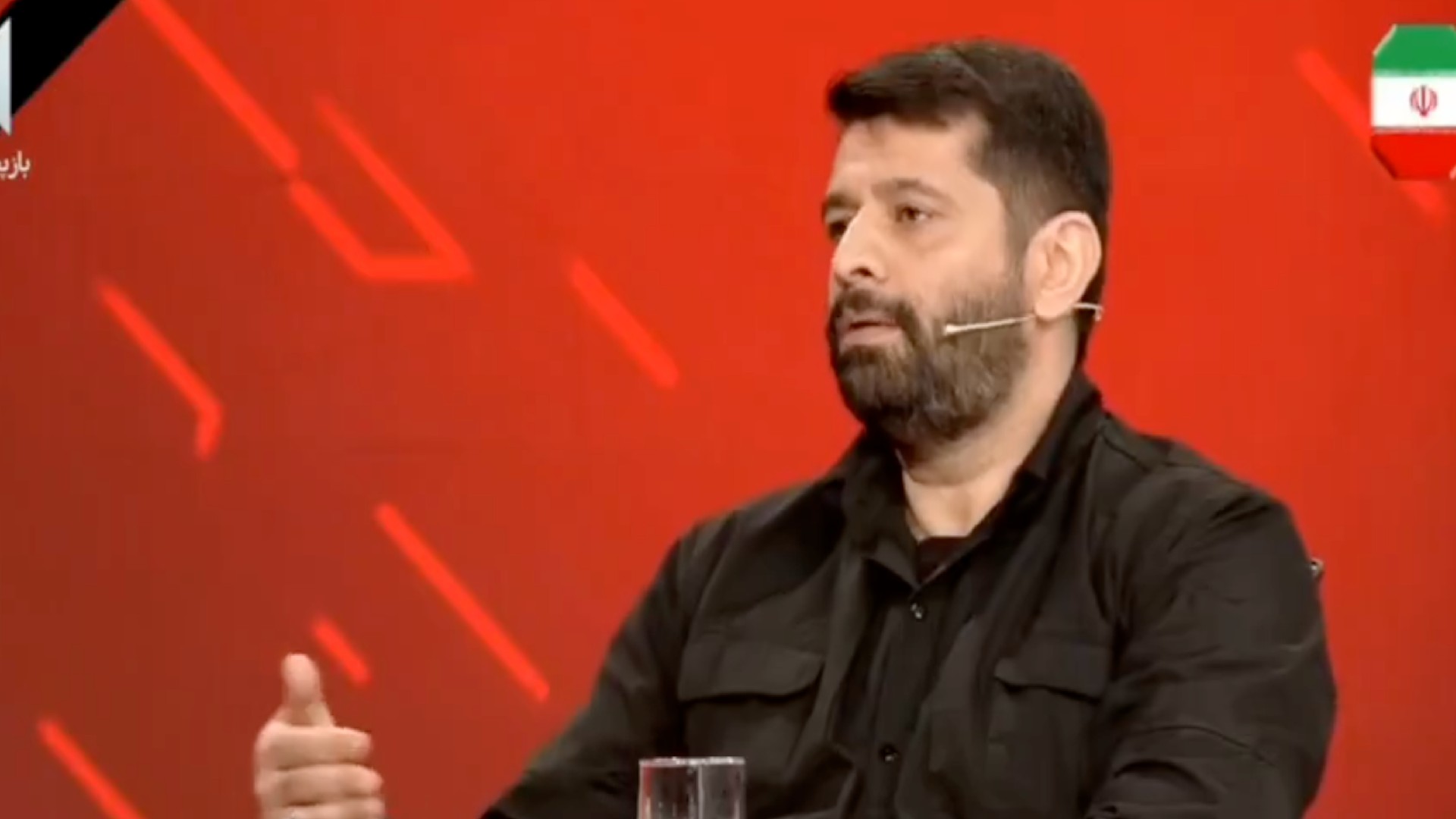
A prominent Iranian security analyst has issued a stark warning during a televised interview on state broadcaster IRIB, declaring Tehran’s military readiness to capture the coastlines of Bahrain and the United Arab Emirates. National security expert Morteza Simiari asserted that Iranian armed forces stand prepared to “fundamentally alter the regional landscape” should the United States commit any strategic missteps in the region.
Simiari explicitly stated that “entering the coasts of the UAE and Bahrain is on the agenda,” framing the potential action as a retaliatory measure against perceived US provocations. These comments emerge amidst escalating tensions following UAE Foreign Minister Abdullah bin Zayed’s recent social media post denouncing Iranian attacks and vowing that his nation “will never be blackmailed by terrorists.”
The diplomatic exchange originated from a discourse between former French Ambassador to the US Gerard Araud and UAE presidential adviser Anwar Gargash. Gargash had emphasized that “blatant Iranian aggression against Arab Gulf states carries deep geopolitical repercussions,” noting that this threat has become central to Gulf strategic thinking and necessitated strengthened security partnerships with Washington.
Araud countered that such alignment deepens dependence on a nation that has previously led Gulf states into “disastrous conflict without caring about your interests.”
Recent military data reveals the UAE has intercepted 338 ballistic missiles and 1,740 drones since hostilities began, with Iran conducting retaliatory strikes targeting US bases and energy infrastructure following US-Israeli attacks on February 28.
Despite initially cautioning against military escalation, regional powers appear to be shifting positions. Saudi Arabia has reportedly made King Fahd Air Base available to American forces, while UAE officials have communicated to Washington their preparedness for a prolonged conflict potentially lasting up to nine months, according to diplomatic sources.